
Introduction
In modern agriculture, efficient crop spraying is critical for maximizing yield and reducing waste. Two dominant technologies have emerged: traditional agricultural sprayers (tractor-mounted, handheld, or self-propelled) and drones (unmanned aerial vehicles). This article compares both options across key factors to help B2B buyers make an informed decision.
Overview of Agricultural Sprayers
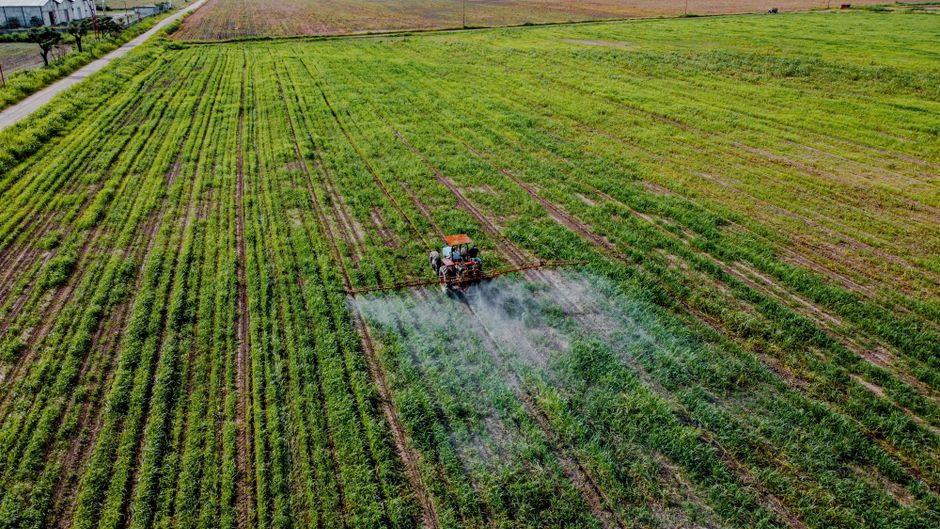
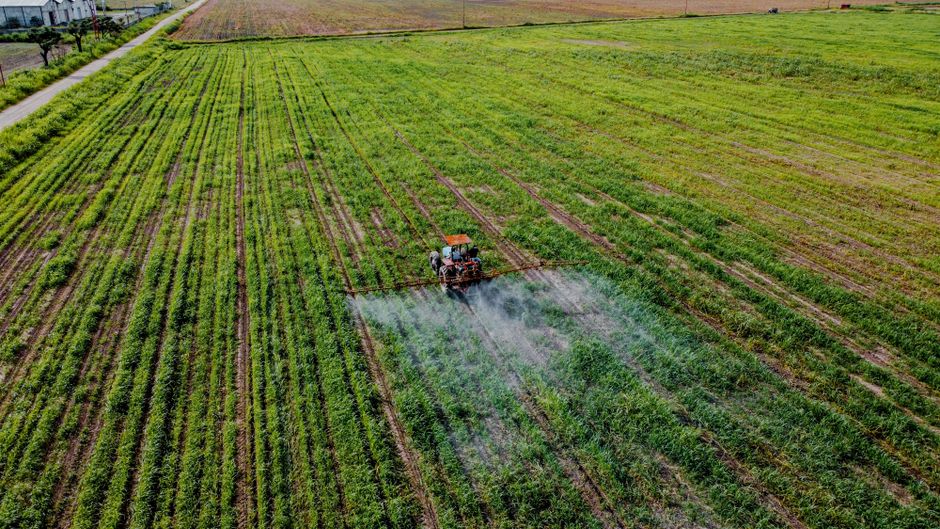
Agricultural sprayers have been the backbone of crop protection for decades. They come in various types: boom sprayers, airblast sprayers, and handheld sprayers. These are typically ground-based, powered by tractors or engines, and apply liquid pesticides, herbicides, or fertilizers over large areas.
Overview of Agricultural Drones
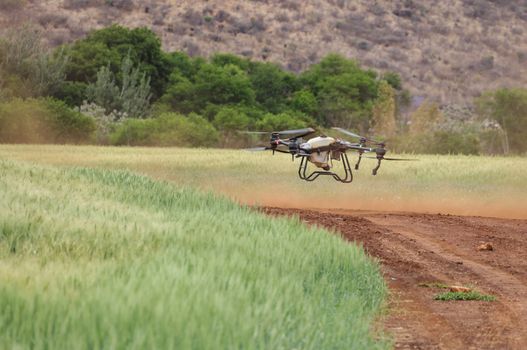
Drones for crop spraying are relatively new. Equipped with GPS, sensors, and precision nozzles, they fly over fields and apply chemicals with high accuracy. They are especially useful in hilly terrain or small plots where ground access is difficult.
Comparison Table
| Feature | Agricultural Sprayer | Drone |
|---|---|---|
| Coverage Speed | 10-20 acres/hour | 5-15 acres/hour |
| Precision | Moderate (overlap and drift) | High (GPS-guided, variable rate) |
| Terrain Adaptability | Flat to moderate slopes | All terrains, including steep slopes |
| Initial Cost | $5,000 - $50,000 | $10,000 - $30,000 |
| Operating Cost | Fuel + labor + maintenance | Battery + labor + maintenance |
| Labor Requirement | 1-2 operators | 1 operator (can be automated) |
| Payload Capacity | 500-3000 liters | 10-30 liters |
| Safety | Operator exposure to chemicals | Reduced operator exposure |
| Weather Sensitivity | Wind-sensitive | Very wind-sensitive |
| Regulatory Issues | Minimal | FAA/EASA licenses required |
Detailed Analysis
Cost Efficiency
For large, flat fields, sprayers offer lower per-acre cost due to high capacity and speed. Drones have higher per-acre cost but lower upfront investment for small farms.
Precision and Waste
Drones excel in precision, reducing chemical use by up to 30% through targeted application. Sprayers have more drift and overlap.
Terrain and Crop Type
Drones are ideal for orchards, vineyards, and rice paddies. Sprayers are better for row crops like corn and wheat.
Labor and Safety
Drones reduce labor and operator contact with chemicals. Sprayers require more manual handling.
Recommendation
For B2B buyers: Choose agricultural sprayers if you operate large, flat farms and prioritize low cost per acre. Choose drones if you have small, irregular fields, high-value crops, or need precise application. A hybrid approach using both can optimize efficiency and flexibility.
Conclusion
Both technologies have their place. Evaluate your specific needs—field size, terrain, crop type, and budget—to select the best solution. As a manufacturer, we offer both sprayers and drone attachments to meet diverse requirements.