
Introduction to Custom Agricultural Sprayers
In the competitive world of B2B agriculture, having the right equipment can make all the difference. Custom agricultural sprayers are designed to meet specific farm needs, improving efficiency and crop yield. This guide will walk buyers through the OEM manufacturing process, helping you make informed decisions.
Why Choose OEM Manufacturing for Agricultural Sprayers?
OEM (Original Equipment Manufacturer) allows you to create sprayers tailored to your specifications. Benefits include brand ownership, quality control, and cost-effectiveness for bulk orders. By partnering with an experienced manufacturer, you can ensure your sprayers meet local regulations and performance standards.
Key Advantages of OEM Sprayers
- Custom design to fit unique crop types and terrain
- Ability to choose materials (e.g., stainless steel, poly tanks)
- Integration of advanced features like GPS and variable rate technology
- Branding and packaging options for your market
Understanding Your Requirements
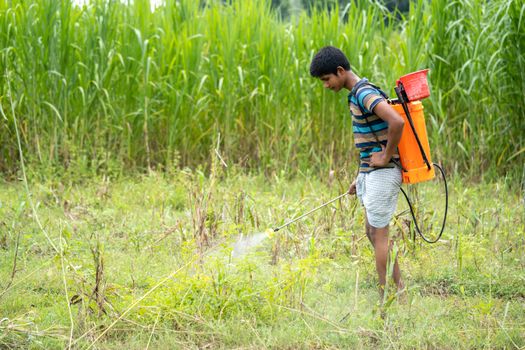
Before contacting a manufacturer, define your target market and application. Consider factors such as crop height, spray volume, and power source (tractor-mounted, self-propelled, or handheld). Prepare a detailed specification sheet including tank capacity, boom width, pump type, and nozzle configuration.
Common Sprayer Types
| Type | Best For | Capacity Range |
|---|---|---|
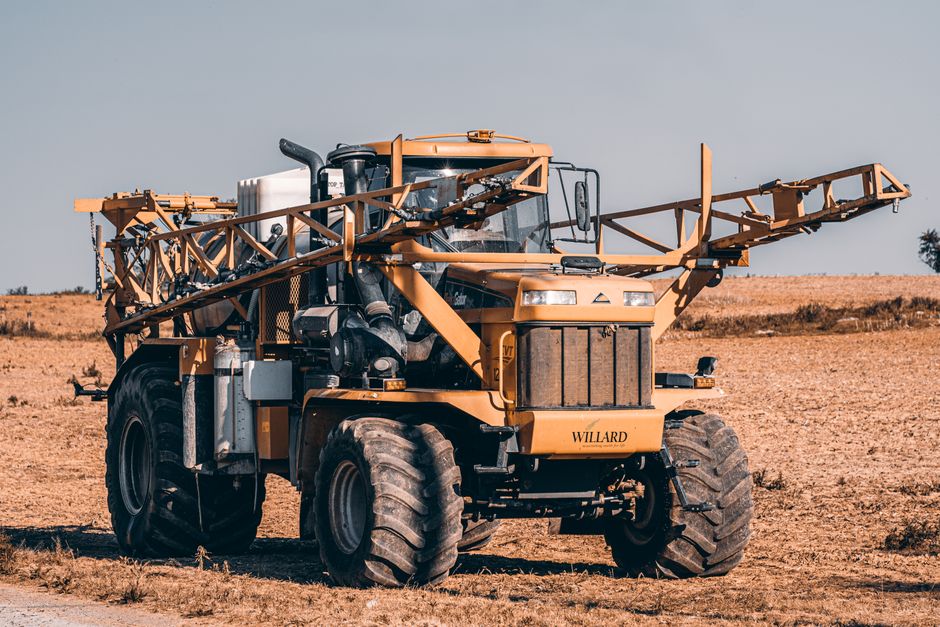
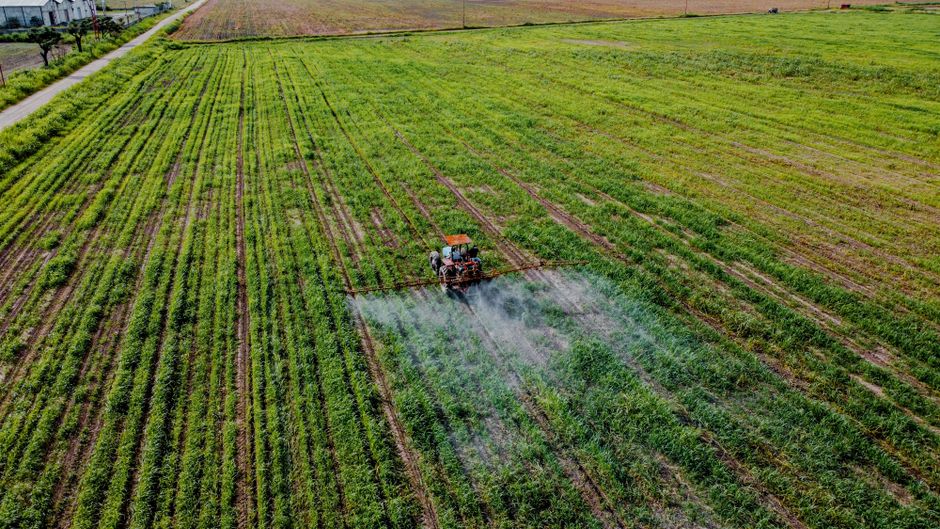
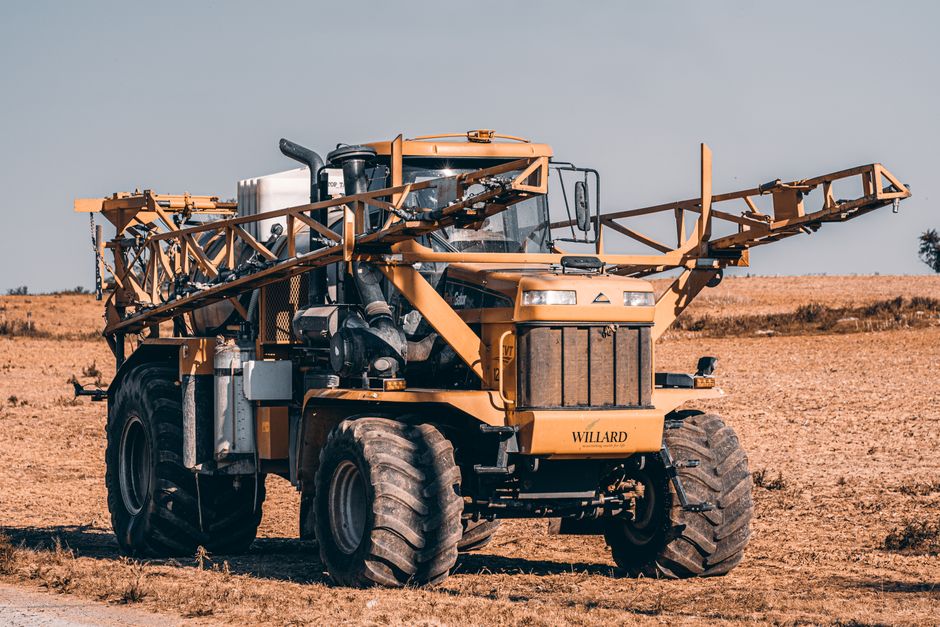
| Boom Sprayers | Broadacre crops | 200-3000 liters |
| Airblast Sprayers | Orchards and vineyards | 500-2000 liters |
| Handheld Sprayers | Small farms and spot treatment | 5-20 liters |
Selecting the Right Manufacturer
Look for manufacturers with proven experience in agricultural equipment. Evaluate their production capacity, quality control processes, and ability to source certified components. Request samples or visit the factory if possible. Key certifications include ISO 9001 and CE marking for European markets.
Questions to Ask Potential Partners
- What is your minimum order quantity (MOQ)?
- Can you provide CAD drawings or prototypes?
- What is the typical lead time?
- Do you offer after-sales support and spare parts?
The OEM Manufacturing Process
Once you select a manufacturer, the process typically involves:
- Design & Engineering: Collaborate on custom designs, including 3D modeling and material selection.
- Prototyping: Create a sample for testing and approval.
- Production: Mass production with quality checks at each stage.
- Assembly & Testing: Final assembly, calibration, and pressure testing.
- Packaging & Shipping: Custom branding and secure packaging for export.
Quality Control and Testing
Ensure your manufacturer follows strict QC protocols. Tests should include pressure resistance, nozzle uniformity, and corrosion resistance. Ask for test reports and certifications. For international buyers, compliance with local pesticide application laws is crucial.
Essential Quality Tests
- Pressure test: Verify pump and hose integrity
- Flow rate calibration: Ensure consistent application
- Material durability: Check for UV resistance and chemical compatibility
Cost Considerations and Negotiation
OEM costs depend on customization level, order volume, and materials. Request quotes from multiple suppliers and compare. Negotiate on payment terms (e.g., 30% deposit, 70% before shipment) and shipping incoterms. Remember that cheaper options may compromise quality.
Cost Breakdown Example
| Component | Percentage of Total Cost |
|---|---|
| Tank | 25% |
| Pump & Engine | 30% |
| Boom & Nozzles | 20% |
| Frame & Wheels | 15% |
| Assembly & Testing | 10% |
Customization Options
Modern sprayers can be customized with smart technology. Options include:
- Section control for reducing overlap
- Auto-steering integration
- Remote monitoring via IoT sensors
- Eco-friendly electric pumps
Logistics and Delivery
Plan for shipping bulk items. Use sea freight for large orders, and air freight for urgent samples. Ensure proper packaging to prevent damage. Work with a freight forwarder experienced in agricultural machinery.
Conclusion
Custom agricultural sprayers through OEM manufacturing offer a strategic advantage for B2B buyers. By understanding your needs, partnering with a reliable manufacturer, and overseeing quality, you can deliver high-performance sprayers to your customers. Start by defining your requirements and reaching out to potential partners today.