
Best Materials for Export Cake Boxes: Complete Guide
Introduction
Exporting cake boxes requires careful consideration of materials to ensure product safety, cost efficiency, and compliance with international standards. This guide covers the best materials for export cake boxes, including their properties, benefits, and drawbacks.
Key Factors in Choosing Export Cake Box Materials
When selecting materials for export cake boxes, consider durability, weight, moisture resistance, and eco-friendliness. The material must protect cakes during long transit and meet destination country regulations.
1. Corrugated Cardboard
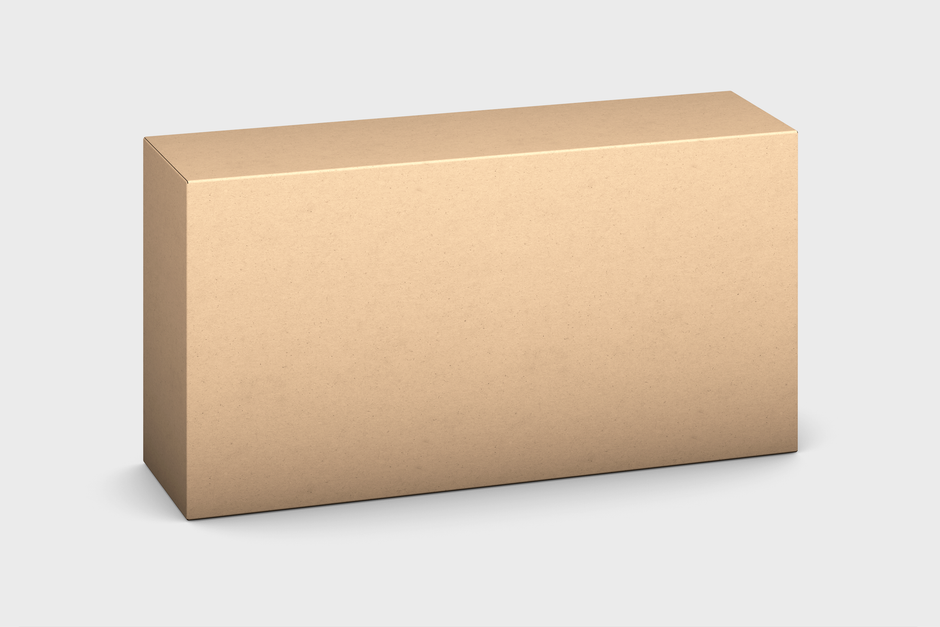
Corrugated cardboard is the most common material for export cake boxes due to its strength and lightweight nature. It consists of a fluted corrugated sheet sandwiched between two linerboards.
Advantages
- Excellent cushioning and shock absorption
- Lightweight, reducing shipping costs
- Customizable with printing and coatings
- Recyclable and biodegradable
Disadvantages
- Susceptible to moisture damage without coating
- Less rigid than plastic alternatives
Best For
Standard cake boxes for domestic and international shipping where moisture is controlled.
2. Kraft Paper
Kraft paper is a sturdy, brown paper made from wood pulp. It is often used as a liner or outer wrap for cake boxes.
Advantages
- Eco-friendly and compostable
- Good tensile strength
- Cost-effective
Disadvantages
- Not waterproof
- Limited structural support alone
Best For
Inner wrapping or as a secondary packaging for artisan cakes.
3. Plastic (PET, PP, PS)
Plastic materials like PET (polyethylene terephthalate), PP (polypropylene), and PS (polystyrene) offer high durability and moisture resistance. They are commonly used for clear cake boxes or rigid containers.
Advantages
- Excellent moisture and grease resistance
- Transparent options for product visibility
- Rigid and stackable
Disadvantages
- Non-biodegradable, environmental concerns
- Higher cost than paper-based options
- May require special recycling facilities
Best For
High-end cakes, long-distance exports, and products requiring high visibility.
4. Molded Pulp
Molded pulp is made from recycled paper fibers and is formed into custom shapes. It provides excellent cushioning and is biodegradable.
Advantages
- Customizable shapes for snug fit
- Excellent shock absorption
- Eco-friendly and compostable
Disadvantages
- Higher cost for custom molds
- Not suitable for wet cakes
Best For
Fragile cakes or specialty shapes requiring secure packaging.
5. Aluminum Foil
Aluminum foil is sometimes used as an inner lining for cake boxes to provide a moisture and grease barrier.
Advantages
- Excellent barrier against moisture, light, and oxygen
- Heat resistant
- Recyclable
Disadvantages
- Expensive
- Not structurally strong alone
Best For
Lining for boxes containing moist or oily cakes.
Material Comparison Table
| Material | Durability | Moisture Resistance | Eco-Friendliness | Cost | Best Use |
|---|---|---|---|---|---|
| Corrugated Cardboard | High | Low (unless coated) | High | Low | General export |
| Kraft Paper | Medium | Low | Very High | Very Low | Wrapping, lining |
| Plastic (PET, PP, PS) | Very High | High | Low | Medium-High | High-end, long-distance |
| Molded Pulp | High | Medium | Very High | Medium | Fragile items |
| Aluminum Foil | Low | Very High | Medium | High | Barrier lining |
Tips for Selecting the Right Material
- Assess the cake type: moist cakes need moisture barriers; dry cakes may not.
- Consider transit time and conditions: longer routes require stronger materials.
- Check destination country regulations: some countries ban certain plastics.
- Balance cost and protection: cheaper materials may lead to damage costs.
- Test samples before bulk order to ensure compatibility.
Conclusion
Choosing the best material for export cake boxes depends on your specific product, budget, and target market. Corrugated cardboard is a reliable all-rounder, while plastic offers superior protection for high-value exports. Eco-friendly options like kraft paper and molded pulp appeal to sustainability-conscious buyers. Always test materials and consult with packaging experts to ensure your cakes arrive in perfect condition.