
Cake Box Foreign Trade: Key Tips for Success
Introduction to Cake Box Foreign Trade
In the competitive world of B2B manufacturing, cake box foreign trade presents a lucrative opportunity for businesses that specialize in packaging solutions. As a manufacturer, understanding the nuances of international trade, from material selection to logistics, is crucial for success. This guide provides key tips and strategies to help you navigate the complexities of exporting cake boxes globally, ensuring quality, compliance, and customer satisfaction.

Understanding Market Demand and Trends
Before diving into foreign trade, it's essential to analyze global market trends. The demand for cake boxes is driven by the bakery industry, which is growing due to increasing consumer preference for packaged and bakery products. Key markets include North America, Europe, and Asia-Pacific, where urbanization and disposable income are rising. Stay updated on seasonal trends, such as holiday-specific packaging, and eco-friendly preferences, as sustainability is becoming a major factor in purchasing decisions.
Identifying Target Markets
Conduct market research to identify countries with high import volumes of paperboard packaging. Use tools like ITC Trade Map or customs data to analyze import trends. Focus on regions where local production is insufficient or where your product offers a cost or quality advantage. For example, European countries often seek high-quality, customizable packaging, while developing nations may prioritize cost-effectiveness.
Product Quality and Compliance
Meeting international standards is non-negotiable. Your cake boxes must comply with food safety regulations in the target country. For instance, the EU requires compliance with (EC) No 1935/2004 for materials in contact with food, while the US FDA has specific guidelines. Use food-grade materials, ensure no toxic inks or adhesives, and obtain certifications like ISO 22000 or BRC. Additionally, consider the physical properties: strength, moisture resistance, and print quality are critical.
Material Selection
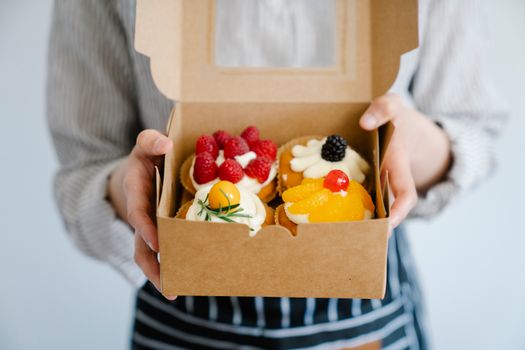
Common materials include cardboard, corrugated fiberboard, and Kraft paper. Each has its advantages: corrugated offers durability for shipping, while Kraft is eco-friendly. Offer options like coated paper for grease resistance. Provide samples to potential buyers to demonstrate quality.
Pricing Strategy for International Markets
Pricing in foreign trade must account for production costs, shipping, tariffs, and currency fluctuations. Use Incoterms like FOB (Free on Board) or CIF (Cost, Insurance, Freight) to define responsibilities. Offer competitive pricing by optimizing production efficiency and negotiating bulk raw material purchases. Consider tiered pricing for different order quantities. Remember to factor in customization costs if offering bespoke designs.
Packaging and Labeling for Export
Proper packaging ensures your cake boxes arrive intact. Use sturdy outer cartons, and consider using pallets for large shipments. Labeling must comply with destination country regulations: include product description, country of origin, weight, and handling instructions. For food packaging, include recycling symbols if required. Use barcodes for tracking and consider adding QR codes for marketing.
Marketing and Sales Channels
Establish a strong online presence with a professional website optimized for international clients. Use B2B platforms like Alibaba, Global Sources, or Made-in-China to reach buyers. Attend trade shows such as Interpack or Gulfood to network. Develop a catalog showcasing your product range, customization options, and certifications. Leverage LinkedIn for B2B networking and consider hiring a local agent in key markets.
Building Trust with International Clients
Provide samples, offer free design consultations, and maintain transparent communication. Use secure payment methods like letters of credit (L/C) or T/T with deposit. Share client testimonials and case studies. Ensure you have a clear return policy and after-sales support.
Logistics and Shipping Considerations
Partner with experienced freight forwarders who handle customs clearance. Understand shipping routes and choose between sea (more economical for large volumes) or air (for urgent orders). Insurance is recommended to cover loss or damage. Track shipments and provide real-time updates to clients. Be aware of peak seasons when shipping costs rise.
Legal and Documentation Essentials
Proper documentation is critical to avoid delays. Key documents include: commercial invoice, packing list, bill of lading/airway bill, certificate of origin, and any required export licenses. For food packaging, a health certificate may be needed. Work with a customs broker to ensure compliance. Protect your intellectual property by registering designs in target markets.
Case Studies: Successful Cake Box Exporters
Consider the example of a Chinese manufacturer who specialized in eco-friendly cake boxes. By obtaining FSC certification and targeting the European market, they increased exports by 40% in two years. Another case: an Indian company focused on customized luxury boxes for Middle Eastern clients, offering gold foil stamping and velvet finishes, leading to long-term contracts.
Conclusion
Cake box foreign trade requires a strategic approach encompassing market research, quality assurance, pricing, and logistics. By focusing on compliance, building trust, and leveraging digital marketing, you can tap into global demand. Start by analyzing your strengths and target markets, then systematically implement these tips. With persistence and adaptability, your business can thrive in the international packaging industry.
| Key Factor | Action Items |
|---|---|
| Market Research | Analyze import data, identify trends |
| Compliance | Obtain certifications, use food-grade materials |
| Pricing | Use Incoterms, negotiate bulk rates |
| Logistics | Partner with freight forwarders, insure shipments |
| Marketing | Create online presence, attend trade shows |