Introduction
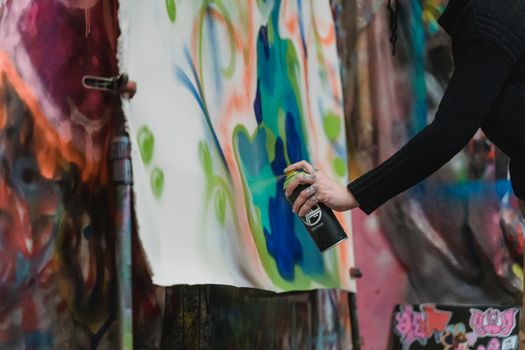
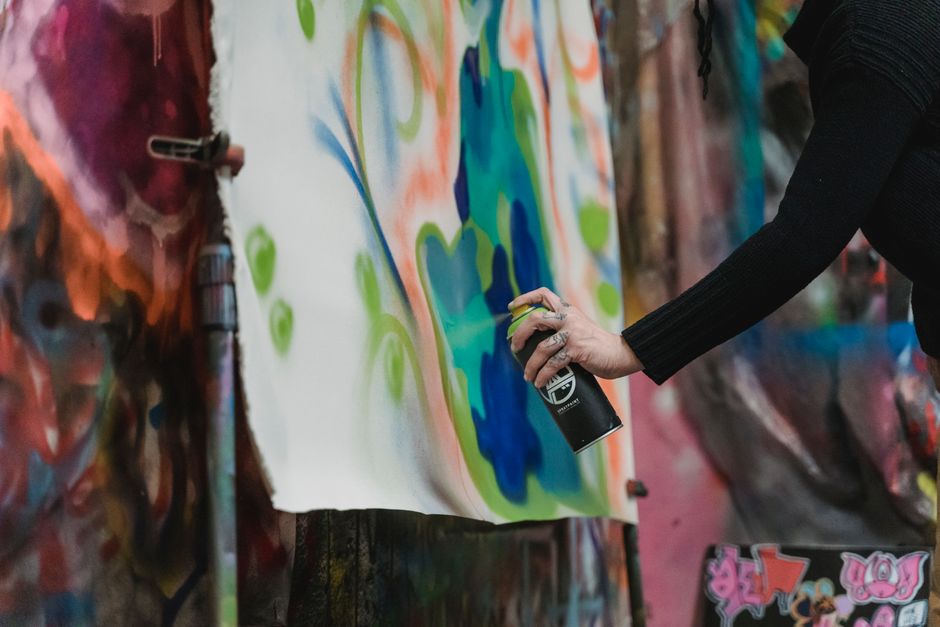
Spray painting canvas is a critical process for manufacturers in the art supply and decorative industries. As a B2B manufacturer of spray painted canvas, ensuring consistent quality is essential for customer satisfaction and repeat business. This guide covers key quality control tips to help you produce flawless spray painted canvas every time.
1. Selecting the Right Canvas Material
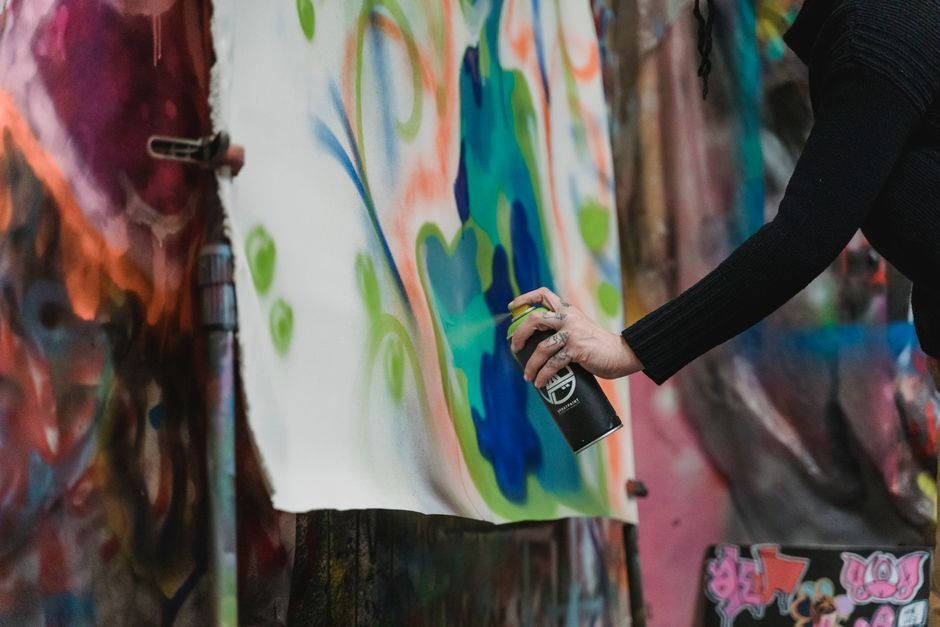
The foundation of a quality spray painted canvas is the substrate itself. Choose canvas that is:
- Primed or unprimed based on the intended use. Primed canvas provides a smoother surface for paint adhesion.
- Acid-free to prevent yellowing over time.
- Correct weight (e.g., 10 oz or 12 oz) for durability and texture.
- Stretched evenly on frames to avoid wrinkles or sagging.
Inspect incoming canvas rolls for defects like tears, knots, or uneven weave. Reject any material that doesn't meet your specifications.
2. Preparing the Canvas Surface
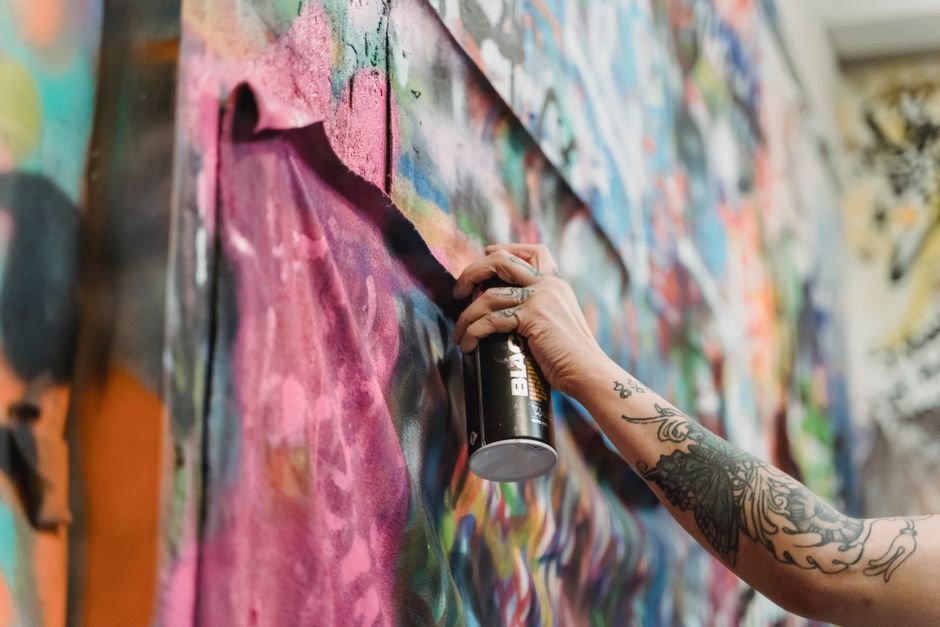
Before painting, the canvas must be clean and free of dust or oils. Follow these steps:
- Use a lint-free cloth to wipe the surface.
- Apply a primer or gesso if needed, especially for unprimed canvas. This ensures paint adheres evenly.
- Allow primer to dry completely (24 hours recommended).
- Sand lightly with fine-grit sandpaper for a smooth finish.
3. Controlling the Spray Painting Environment
Environmental factors greatly affect paint quality. Maintain:
- Temperature: 65-77°F (18-25°C) for optimal paint flow.
- Humidity: Below 60% to prevent moisture entrapment.
- Ventilation: Proper airflow to remove fumes and overspray.
- Clean room: Filtered air to avoid dust particles settling on wet paint.
4. Choosing the Right Paint and Equipment
Use high-quality spray paint designed for canvas. Consider:
- Acrylic-based paints for flexibility and color retention.
- Spray guns with adjustable nozzles for fine control.
- Consistent air pressure (30-50 psi) for even coverage.
- Proper tip size (0.8-1.2 mm) for the paint viscosity.
5. Application Techniques for Even Coating
To avoid streaks, drips, or uneven color:
- Hold the spray gun 6-8 inches from the canvas.
- Use smooth, overlapping strokes in one direction.
- Apply multiple thin coats rather than one thick coat.
- Allow each coat to dry to the touch before applying the next.
- Rotate canvas orientation between coats for uniformity.
6. Drying and Curing Process
Proper drying is crucial for durability:
- Dust-free drying area with controlled humidity.
- Air drying for 24-48 hours between coats.
- Full cure time: 7-14 days before packaging.
- Use drying racks to prevent contact with surfaces.
7. Inspection and Testing
Implement a rigorous quality check:
| Checkpoint | What to Look For | Action if Failed |
|---|---|---|
| Visual inspection | Color consistency, no drips, no bare spots | Repaint or reject |
| Adhesion test | Paint does not flake off when scratched | Reapply primer or paint |
| Flexibility test | Canvas bends without cracking paint | Use more flexible paint |
| Color accuracy | Matches approved sample | Adjust paint formulation |
8. Packaging and Storage
Protect finished products:
- Use acid-free tissue paper between stacked canvases.
- Wrap in plastic sheeting to prevent dust.
- Store flat in a climate-controlled warehouse.
- Label each piece with batch number and date.
9. Continuous Improvement
Regularly review quality data and customer feedback. Train staff on best practices. Invest in better equipment and materials as needed. A culture of quality reduces waste and builds reputation.
Conclusion
Quality control in spray painted canvas manufacturing requires attention to every step from material selection to final packaging. By following these tips, you can deliver consistent, high-quality products that meet international standards. For B2B buyers, this reliability translates to trust and long-term partnerships.