
Introduction
When it comes to creating high-quality canvas art, manufacturers and artists often face a choice between spray painting canvas and traditional painting methods. As a B2B manufacturer specializing in spray painting canvas for foreign trade, we understand the importance of selecting the right technique for your production needs. This article provides a comprehensive comparison of spray painting canvas versus traditional painting, examining their pros and cons to help you make an informed decision.
Overview of Techniques
Spray Painting Canvas
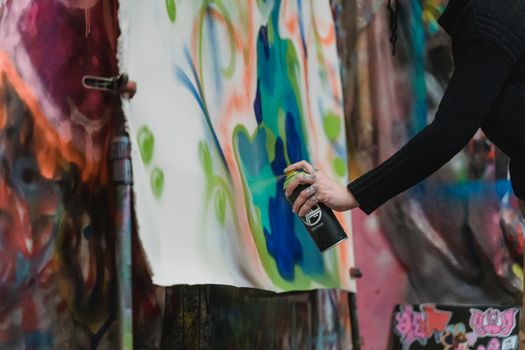
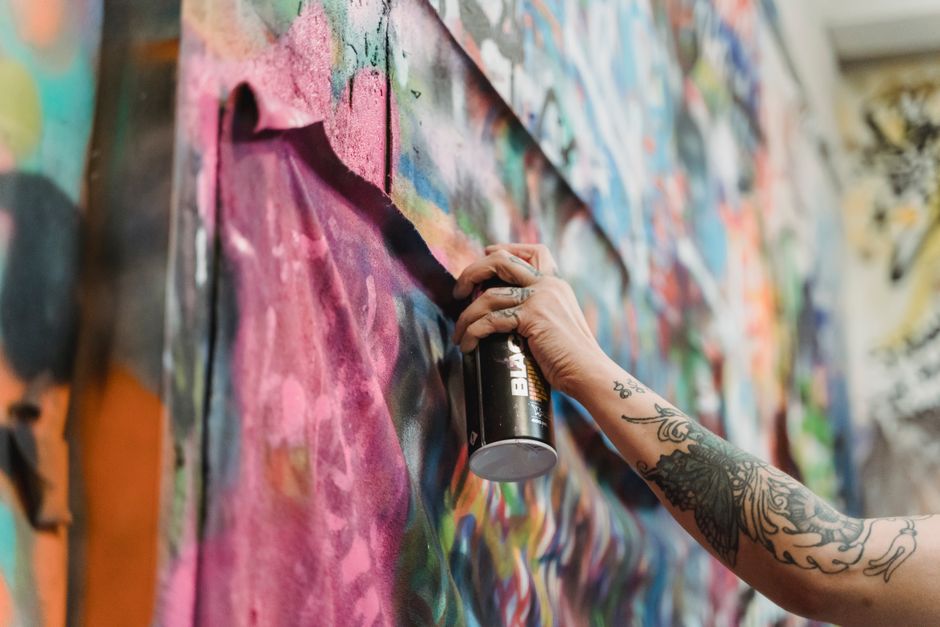
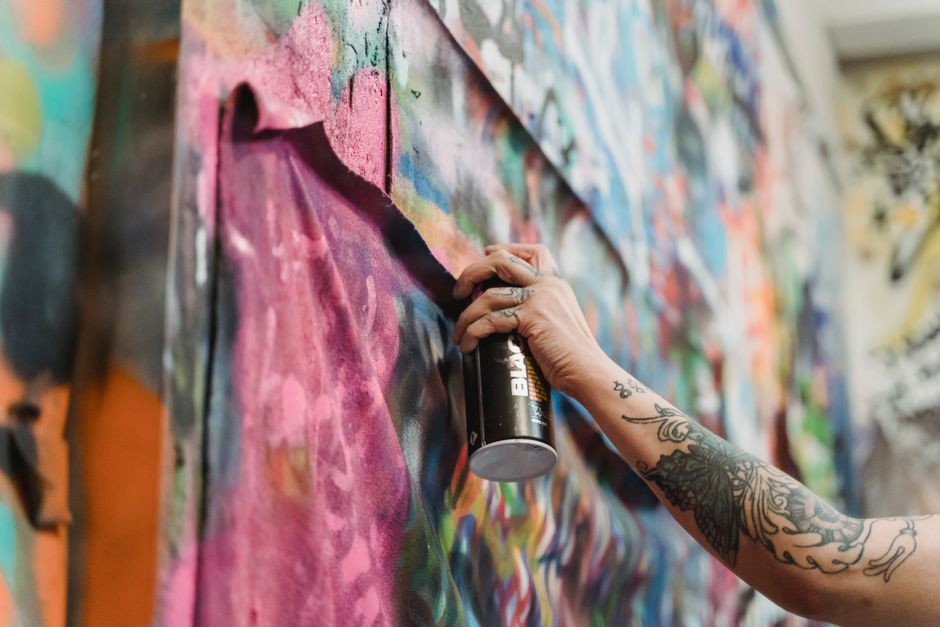
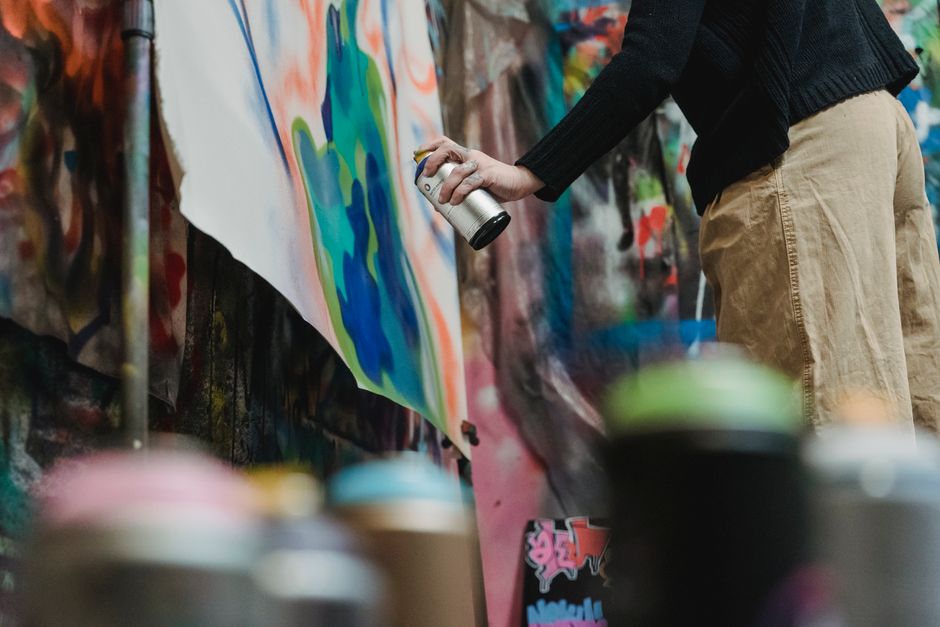
Spray painting involves using an airbrush or spray gun to apply paint onto canvas. It allows for even coverage, smooth gradients, and quick application. This method is ideal for large-scale production and achieving consistent results across multiple pieces.
Traditional Painting
Traditional painting encompasses techniques such as brush painting, roller application, and palette knife work. It offers more control over texture and detail but can be time-consuming and less consistent for mass production.
Comparison Table
| Feature | Spray Painting Canvas | Traditional Painting |
|---|---|---|
| Speed of Application | Fast; covers large areas quickly | Slow; requires multiple coats and drying time |
| Consistency | High; uniform coverage with minimal variation | Variable; depends on artist skill and technique |
| Texture and Detail | Smooth finish; limited texture options | Rich texture; high detail control |
| Equipment Cost | Higher initial investment (spray gun, compressor) | Lower cost (brushes, rollers) |
| Paint Waste | Higher overspray; requires ventilation | Minimal waste; easier to control paint usage |
| Scalability | Excellent for mass production | Best for small batches or single pieces |
| Skill Requirement | Moderate; requires technique for even spray | High; requires artistic skill for quality results |
| Durability | Good; but may require protective coating | Excellent; traditional paints often more durable |
Pros and Cons
Spray Painting Canvas
- Pros: Fast application, consistent results, ideal for large runs, smooth gradients, less physical strain on artists.
- Cons: Higher setup cost, paint overspray waste, requires ventilation, limited texture, may need additional sealing.
Traditional Painting
- Pros: Lower equipment cost, full control over texture and detail, minimal waste, durable finish, no ventilation requirements.
- Cons: Slow process, inconsistent quality across multiple pieces, high skill dependency, not scalable for mass production.
When to Choose Spray Painting Canvas
Spray painting is the preferred method for B2B manufacturers who need to produce large quantities of canvas art with consistent quality. It is ideal for:
- Large-scale production runs (e.g., 500+ pieces)
- Projects requiring smooth color transitions or gradients
- Time-sensitive orders that demand fast turnaround
- Reproducing exact designs across multiple canvases
When to Choose Traditional Painting
Traditional painting remains the best choice for:
- One-of-a-kind artworks or limited editions
- Projects that require heavy texture or fine brushwork
- Small batches where setup cost of spray equipment isn't justified
- Artists who prioritize artistic expression over speed
Recommendation
For B2B foreign trade manufacturers, spray painting canvas offers significant advantages in terms of speed, consistency, and scalability. It reduces labor costs and ensures that every canvas meets the same high standard. While traditional painting still holds value for custom or artistic projects, the efficiency of spray painting makes it the superior choice for bulk production. We recommend investing in quality spray equipment and training to maximize the benefits. For businesses looking to expand their canvas art output without compromising quality, spray painting is the clear winner.
Conclusion
Both spray painting and traditional painting have their place in the canvas art industry. By understanding the pros and cons outlined in this article, you can select the method that best aligns with your production goals. As a leading spray painting canvas manufacturer, we are committed to delivering excellence in every piece we produce. Contact us today to learn more about our services and how we can help your business thrive.