
1. Siemens and ABB Forge Alliance for Smart Grid Solutions
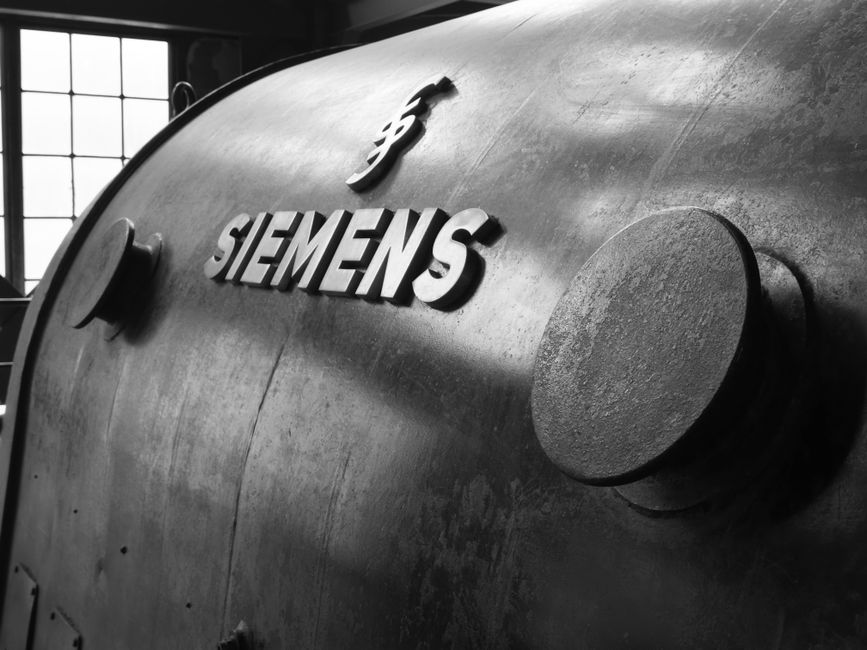
In a groundbreaking move, Siemens AG and ABB Ltd have announced a strategic partnership to develop next-generation smart grid technologies. The collaboration aims to integrate Siemens' expertise in digital automation with ABB's advanced power grid systems. This alliance is expected to accelerate the deployment of intelligent energy distribution networks, enhancing reliability and efficiency for utilities worldwide.
The partnership will focus on creating interoperable solutions that enable real-time monitoring and control of electrical grids. By combining Siemens' MindSphere IoT platform with ABB's Ability™ digital solutions, the companies plan to offer utilities a unified ecosystem for managing renewable energy sources, electric vehicle charging infrastructure, and energy storage systems. Industry analysts predict this collaboration will set new benchmarks for grid modernization.
2. Schneider Electric Partners with NVIDIA for AI-Driven Energy Management
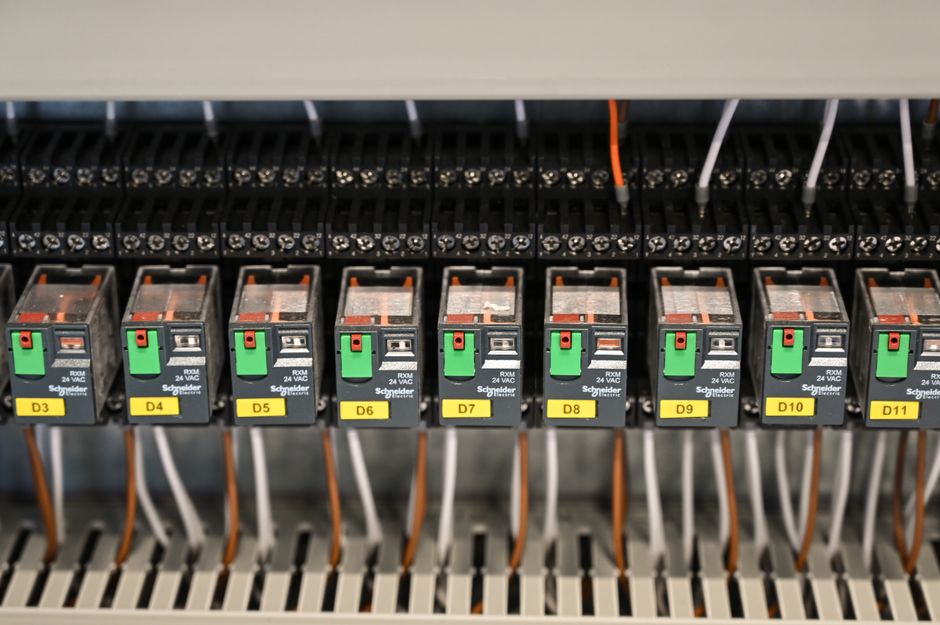
Schneider Electric has announced a joint venture with NVIDIA to embed artificial intelligence into its EcoStruxure platform. The partnership will leverage NVIDIA's GPU-accelerated computing to optimize energy consumption in commercial buildings and industrial facilities. Early pilot projects have demonstrated up to 20% reduction in energy costs through predictive analytics and automated load balancing.
The AI-powered system will analyze data from thousands of sensors to identify energy-saving opportunities and predict equipment failures before they occur. Schneider Electric expects to roll out the enhanced platform to its global customer base by mid-2024. This move underscores the growing trend of using machine learning to improve electrical efficiency and sustainability.

3. General Electric Renews Collaboration with Hitachi Energy for HVDC Technology
General Electric (GE) and Hitachi Energy have extended their long-standing partnership to advance high-voltage direct current (HVDC) transmission systems. The renewed agreement focuses on developing voltage-source converter (VSC) technology that can transmit power over long distances with minimal losses. This is critical for connecting offshore wind farms and remote solar installations to mainland grids.
The collaboration will also explore hybrid AC/DC systems that combine the strengths of both transmission types. GE's experience in turbine generators and Hitachi's prowess in transformer technology will be instrumental in creating modular, scalable HVDC solutions. The first joint project is expected to be a 2 GW link between a North Sea wind farm and the German grid.
4. Eaton and Tesla Team Up for Commercial Energy Storage Systems
Eaton Corporation has formed a strategic alliance with Tesla Inc. to integrate Tesla's Megapack batteries with Eaton's power management systems. The partnership aims to provide turnkey energy storage solutions for commercial and industrial customers, enabling them to store excess solar energy and reduce peak demand charges. Initial installations are planned for California and Texas markets.
The combined system will feature Eaton's UPS expertise to ensure seamless transition between grid power and battery storage during outages. Tesla's software-defined battery management will optimize charging cycles based on real-time electricity prices. This collaboration is expected to lower the total cost of ownership for large-scale storage by 15% compared to standalone products.
5. Legrand and Cisco Unite for Smart Building Connectivity
Legrand, a global specialist in electrical and digital building infrastructures, has announced a partnership with Cisco to develop converged IT and power networks for smart buildings. The joint solution will combine Legrand's wiring devices and cable management with Cisco's networking hardware to create a unified infrastructure that supports both data and power delivery over a single Ethernet cable.
This Power over Ethernet (PoE) system will simplify installation and reduce copper usage by up to 40%. The partnership also includes a commitment to develop open standards for building automation, ensuring interoperability with existing HVAC, lighting, and security systems. Early adopters include several Fortune 500 companies retrofitting their headquarters.
6. Honeywell and Mitsubishi Electric Collaborate on Industrial IoT
Honeywell and Mitsubishi Electric have signed a memorandum of understanding to co-develop industrial IoT solutions for manufacturing plants. The partnership will integrate Honeywell's Forge platform with Mitsubishi's e-F@ctory automation suite, providing end-to-end visibility into production lines. This will enable predictive maintenance, real-time quality control, and energy optimization.
The collaboration targets the automotive and semiconductor industries, where precision and uptime are critical. By combining Honeywell's expertise in process control with Mitsubishi's robotics and CNC systems, the companies aim to reduce unplanned downtime by 30%. The first joint product is expected to launch in Q3 2024.
7. Panasonic and Nexans Partner for EV Charging Infrastructure
Panasonic has announced a partnership with Nexans, a leading cable manufacturer, to develop high-power charging cables for electric vehicles. The collaboration will focus on liquid-cooled cables that can handle up to 500 kW, enabling ultra-fast charging in under 15 minutes. This is a key enabler for long-distance EV travel and fleet electrification.
The partnership also includes a joint R&D center in Osaka to test cable durability and thermal management. Nexans will supply the specialized copper and aluminum alloys, while Panasonic will contribute its battery and charging technology. The first commercial installations are expected at highway rest stops in Europe and Asia by 2025.
8. Rockwell Automation and Emerson Electric Join Forces for Process Safety
Rockwell Automation and Emerson Electric have announced a collaboration to enhance process safety in hazardous environments. The partnership will integrate Rockwell's safety controllers with Emerson's measurement and valve technologies to create a comprehensive safety instrumented system (SIS). This is particularly relevant for oil and gas, chemical, and pharmaceutical industries.
The combined system will offer advanced diagnostics and reduced false trips, improving operational efficiency without compromising safety. The companies will also provide joint training and certification programs for engineers. This collaboration is expected to reduce project engineering time by 20% through standardized interfaces.