
Introduction to the Latest Innovations in Electrical Equipment
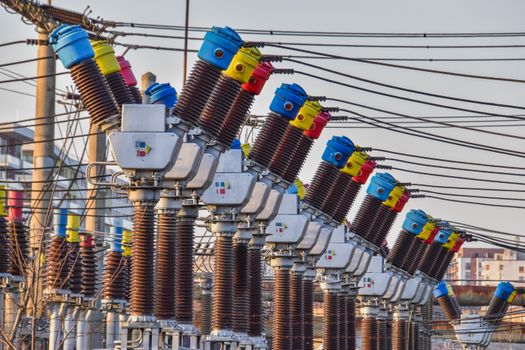
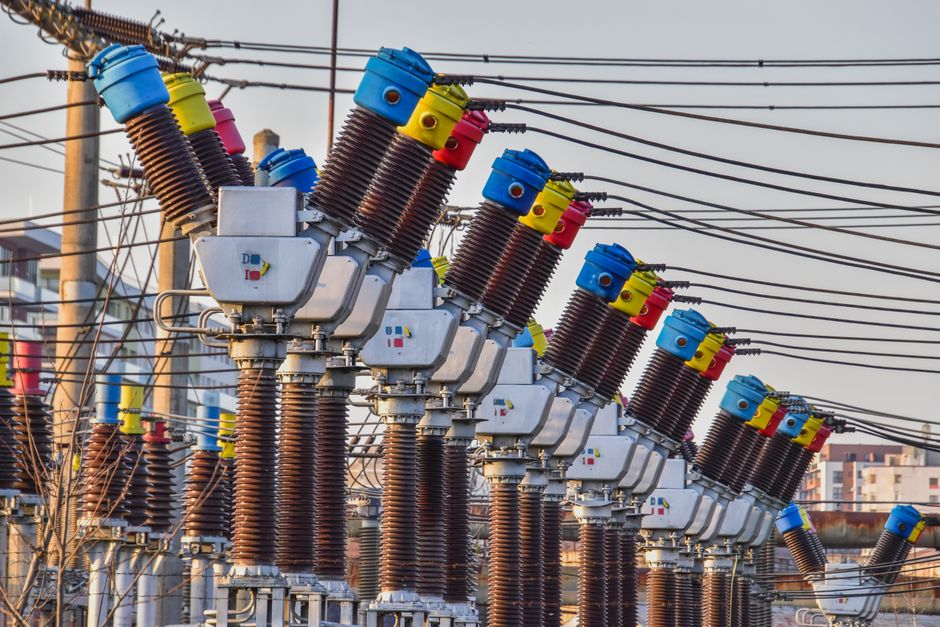
The electrical equipment industry is evolving at a rapid pace, driven by technological advancements and the growing demand for energy efficiency. Leading manufacturers have recently unveiled a new wave of products designed to enhance performance, safety, and sustainability. This article provides an in-depth look at these innovations, offering practical insights for professionals and businesses looking to upgrade their electrical systems.
Key Trends Shaping New Electrical Equipment
Smart Technology Integration
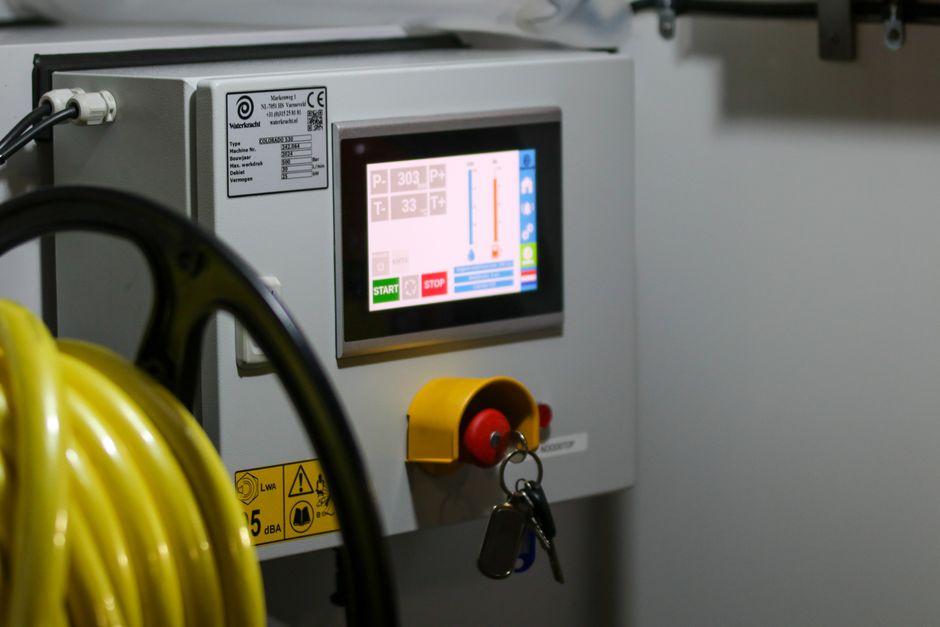
Modern electrical equipment increasingly incorporates IoT capabilities, enabling remote monitoring and control. For example, smart circuit breakers can now send real-time alerts to your smartphone, helping prevent electrical fires before they start.
Energy Efficiency Standards
New products are designed to meet or exceed the latest energy efficiency regulations, such as the US Department of Energy's 2023 standards for transformers and motors. This translates to lower operating costs and reduced carbon footprint.
Enhanced Safety Features
Arc-fault circuit interrupters (AFCIs) and ground-fault circuit interrupters (GFCIs) are now standard in many new devices, providing superior protection against electrical hazards.

Spotlight on New Product Launches
Smart Circuit Breaker Series from Schneider Electric
Schneider Electric's latest MasterPacT range includes built-in energy metering and predictive maintenance capabilities. These breakers can be integrated with building management systems for optimal energy distribution.
| Feature | Benefit |
|---|---|
| Real-time monitoring | Instant fault detection |
| Energy metering | Track consumption per circuit |
| Remote control | Turn off power from anywhere |
High-Efficiency LED Drivers from Philips
Philips has launched a new line of LED drivers with 95% efficiency, reducing heat loss and extending LED lifespan. These drivers are compatible with smart lighting controls and dimming protocols like DALI-2.
Next-Generation Cables from Prysmian
Prysmian's new EcoCable series uses recycled materials without compromising performance. These cables are lighter, more flexible, and have a lower environmental impact.
Practical Tips for Selecting New Electrical Equipment
- Assess your needs: Determine the specific requirements of your project, such as voltage, current, and environmental conditions.
- Check certifications: Look for UL, CE, or IEC marks to ensure safety and compliance.
- Consider total cost of ownership: Energy-efficient models may have a higher upfront cost but save money over time.
- Plan for scalability: Choose equipment that can be easily integrated with future upgrades or expansions.
- Read user reviews: Real-world feedback can highlight reliability and ease of installation.
Installation and Maintenance Best Practices
Proper Installation
Always follow the manufacturer's instructions. Use appropriate personal protective equipment (PPE) and ensure the power is disconnected before starting work. For complex systems, hire a licensed electrician.
Regular Maintenance
Schedule periodic inspections to check for wear and tear. Clean dust from components, test safety devices, and tighten connections. Many smart devices now offer self-diagnostic reports to simplify maintenance.
Future Outlook: What's Next for Electrical Equipment?
Industry leaders are focusing on wireless power transfer, solid-state transformers, and AI-driven predictive analytics. These technologies promise to further revolutionize energy management and grid stability. Staying informed about these trends will help you make forward-thinking purchasing decisions.
Conclusion
The latest electrical equipment from leading manufacturers offers significant improvements in efficiency, safety, and intelligence. By understanding the key trends and product highlights, you can make informed choices that benefit your projects and bottom line. Explore these new launches today to stay ahead in the rapidly evolving electrical landscape.