
1. Pfizer's New COVID-19 Booster Shows Promise Against Omicron Subvariants
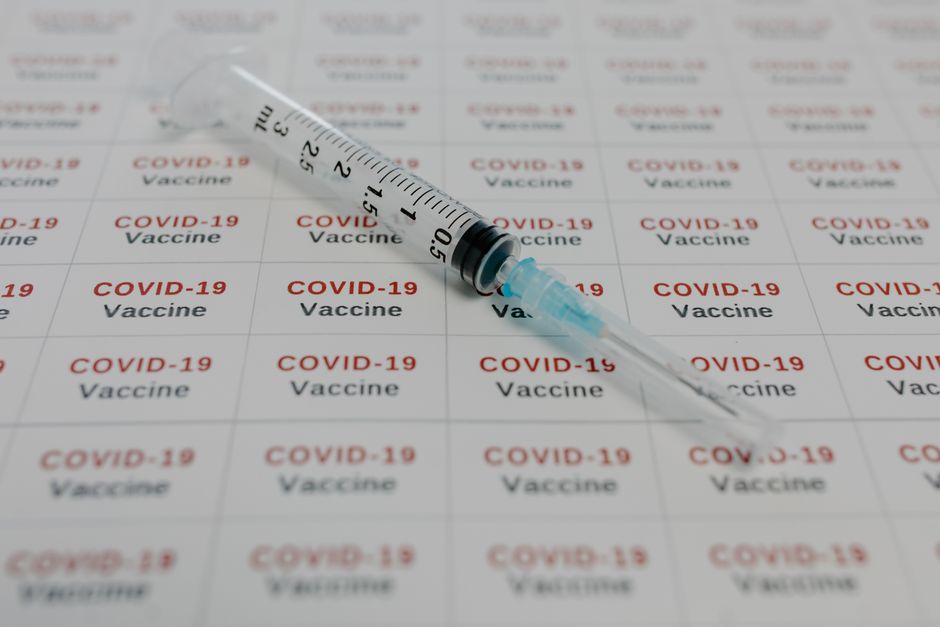
Pfizer announced on Tuesday that its updated COVID-19 booster shot has demonstrated strong immune response against the latest Omicron subvariants, including BA.4 and BA.5. The company's clinical trial data showed a significant increase in neutralizing antibody levels in participants who received the bivalent vaccine. This development comes as the world continues to grapple with evolving strains of the virus, offering a glimmer of hope for enhanced protection.
The booster, which targets both the original strain and Omicron, is currently under review by the FDA for emergency use authorization. If approved, it could be rolled out in the coming weeks, just in time for the fall season when respiratory viruses typically surge. Pfizer plans to produce up to 4 billion doses in 2022, ensuring ample supply for global demand.
2. UnitedHealth Group Acquires LHC Group for $5.4 Billion
UnitedHealth Group has completed its acquisition of LHC Group, a leading provider of home healthcare services, in a deal valued at $5.4 billion. This strategic move expands UnitedHealth's Optum division's reach into the rapidly growing home health market, which is projected to reach $515 billion by 2027. The acquisition will integrate LHC Group's network of over 30,000 employees and 500 locations across 37 states.
By combining LHC Group's expertise in home health, hospice, and community-based services with Optum's data analytics and care coordination capabilities, UnitedHealth aims to improve patient outcomes and reduce hospital readmissions. This acquisition also aligns with the broader industry trend toward value-based care and shifting care delivery from hospitals to home settings.
3. Johnson & Johnson Faces New Talc Lawsuits Despite Bankruptcy Strategy
Johnson & Johnson is facing a fresh wave of lawsuits alleging that its talc-based baby powder caused ovarian cancer, even as the company attempts to use a controversial bankruptcy maneuver to resolve existing claims. The new cases, filed in federal court in New Jersey, involve plaintiffs who claim they developed cancer after long-term use of the product. J&J maintains that its talc products are safe and do not contain asbestos, but critics argue that internal documents suggest otherwise.
The company's subsidiary, LTL Management, filed for Chapter 11 bankruptcy in October 2021 in an effort to halt all talc litigation and negotiate a global settlement. However, a federal judge recently dismissed the bankruptcy case, ruling that J&J was not in financial distress. The company is appealing that decision while continuing to defend itself in court. Over 38,000 lawsuits are currently pending against J&J related to its talc products.
4. CVS Health Launches New Virtual Care Platform for Chronic Conditions
CVS Health has unveiled a new virtual care platform designed to help patients manage chronic conditions such as diabetes, hypertension, and asthma. The platform, called CVS Health Virtual Primary Care, offers 24/7 access to healthcare providers, personalized care plans, and medication management. Patients can also schedule same-day appointments and receive prescriptions delivered to their door.
The launch comes as CVS continues to transform from a pharmacy chain into a diversified healthcare company. With over 10,000 retail locations and a growing digital presence, CVS aims to leverage its scale to provide convenient, affordable care. The virtual care platform is integrated with CVS's MinuteClinic and HealthHUB locations, allowing for seamless transitions between virtual and in-person visits. Early data shows high patient satisfaction and improved clinical outcomes for chronic disease management.
5. Moderna's RSV Vaccine Candidate Shows 83% Efficacy in Phase 3 Trial
Moderna announced that its mRNA-based respiratory syncytial virus (RSV) vaccine candidate, mRNA-1345, demonstrated 83.7% efficacy in preventing RSV-associated lower respiratory tract disease in older adults during a Phase 3 clinical trial. The vaccine also showed a favorable safety profile, with most adverse events being mild to moderate. RSV is a major cause of respiratory illness in older adults and young children, causing approximately 177,000 hospitalizations and 14,000 deaths annually in the U.S.
Moderna plans to submit the vaccine for regulatory approval in the coming months, potentially making it the first mRNA-based RSV vaccine to reach the market. If approved, it would compete with protein-based RSV vaccines from GSK and Pfizer, which have also shown strong efficacy. Moderna's success with RSV further validates its mRNA platform, which has already been used to develop effective COVID-19 vaccines.
6. HCA Healthcare Reports Strong Q2 Earnings Amid Rising Patient Volumes
HCA Healthcare reported better-than-expected second-quarter earnings, driven by a surge in patient volumes as elective procedures continue to rebound from pandemic lows. The hospital chain posted revenue of $15.8 billion, up 8% year-over-year, and adjusted earnings per share of $4.92, beating analyst estimates by $0.30. Same-facility admissions increased by 5.2%, while emergency room visits rose by 7.8%.
Despite ongoing labor shortages and rising supply costs, HCA managed to improve its operating margins through cost-cutting measures and pricing strategies. The company also announced plans to invest $4 billion in capital expenditures this year, including new hospital construction and technology upgrades. HCA's strong performance reflects the overall recovery in the healthcare sector, as patients return to hospitals for both emergency and elective care.
7. Eli Lilly's Alzheimer's Drug Donanemab Shows Slowing of Cognitive Decline
Eli Lilly announced that its experimental Alzheimer's drug, donanemab, slowed cognitive decline by 35% in a Phase 3 clinical trial, meeting its primary endpoint. The drug, which targets amyloid plaques in the brain, is administered via monthly infusions. In the trial, patients with early symptomatic Alzheimer's disease who received donanemab showed significantly less decline on the Clinical Dementia Rating-Sum of Boxes (CDR-SB) scale compared to those on placebo.
If approved, donanemab would become the second disease-modifying Alzheimer's therapy on the market, following Biogen's Aduhelm. However, donanemab appears to have a more favorable safety profile, with lower rates of brain swelling and bleeding. Lilly plans to submit a Biologics License Application (BLA) to the FDA by the end of the year, with a potential launch in 2023. The Alzheimer's drug market is expected to reach $13 billion by 2026, and donanemab could capture a significant share given its efficacy and safety data.
8. Cigna's Evernorth Launches New Behavioral Health Services for Employers
Cigna's health services subsidiary, Evernorth, has launched a new suite of behavioral health services aimed at employers seeking to support employee mental well-being. The services include virtual therapy sessions, psychiatric consultations, and a digital self-care app. Evernorth will leverage its network of over 40,000 behavioral health providers to offer personalized care plans and 24/7 crisis support.
The launch comes as employers increasingly prioritize mental health benefits, with 89% of large employers planning to enhance mental health offerings in 2022, according to a survey by the Business Group on Health. Evernorth's new services are designed to integrate with existing employee assistance programs (EAPs) and health insurance plans, providing a seamless experience. Early adopters have reported reduced absenteeism and improved productivity among employees who use the services.
9. Thermo Fisher Scientific Acquires PeproTech for $1.8 Billion
Thermo Fisher Scientific has completed its acquisition of PeproTech, a leading manufacturer of recombinant proteins used in cell and gene therapy research, for $1.8 billion. The deal strengthens Thermo Fisher's biosciences portfolio, particularly in the rapidly growing cell and gene therapy market, which is expected to reach $15 billion by 2026. PeproTech's products are critical for developing and manufacturing advanced therapies, including CAR-T cell treatments.
Thermo Fisher plans to integrate PeproTech's operations into its life sciences solutions segment, expanding its offering of reagents and tools for biopharmaceutical research. The acquisition also provides Thermo Fisher with access to PeproTech's proprietary GMP-grade manufacturing capabilities, which are essential for clinical-scale production. This move underscores the increasing demand for high-quality raw materials in the biotech industry.
10. Humana Expands Medicare Advantage Plans with New Supplemental Benefits
Humana has announced the expansion of its Medicare Advantage plans for 2023, adding new supplemental benefits such as over-the-counter (OTC) allowances, meal delivery services, and transportation assistance. The plans will also include expanded dental, vision, and hearing coverage, as well as a new fitness program. Humana's Medicare Advantage enrollment has grown steadily, reaching over 5 million members in 2022.
The expanded benefits are designed to address social determinants of health, such as food insecurity and lack of transportation, which can impact health outcomes. Humana is also partnering with local organizations to offer community-based programs, such as grocery store tours and nutrition counseling. With the Medicare Annual Enrollment Period approaching, Humana aims to differentiate its plans by offering comprehensive, value-added benefits that go beyond traditional medical coverage.