
 繁体中文
繁体中文 简体中文
简体中文

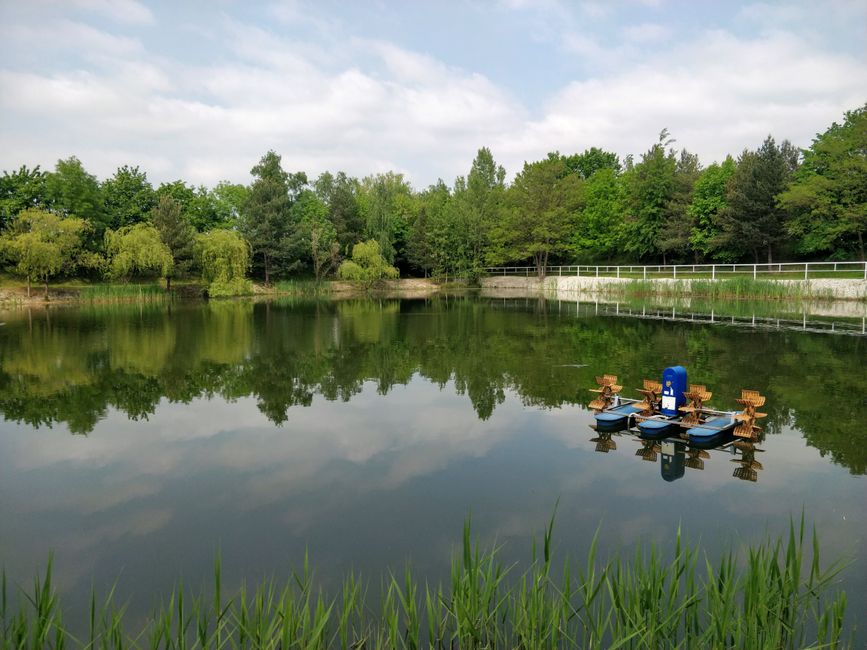
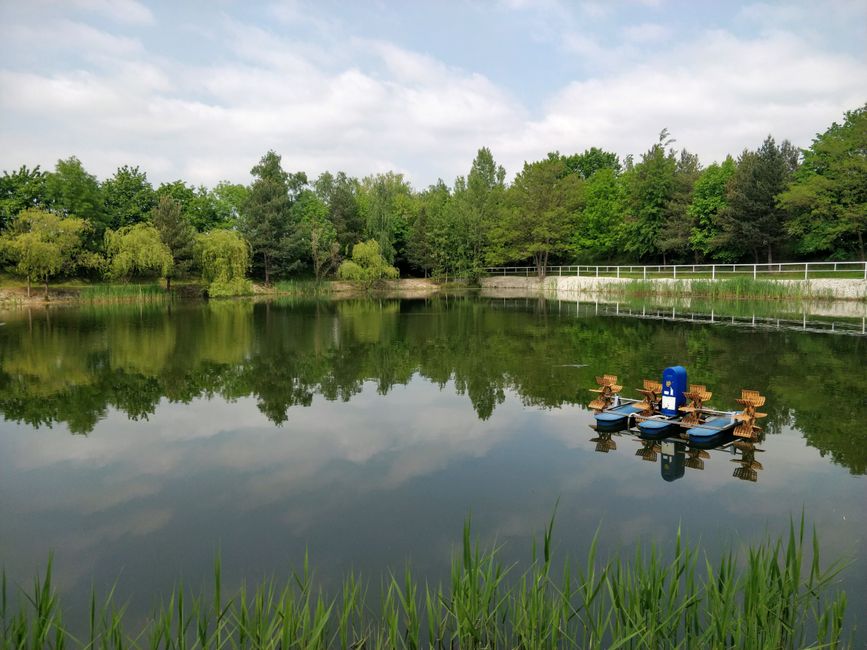
Is the variable frequency aerator worth buying? Compared with the advantages and disadvantages of traditional models
In aquaculture, the aerator is the key equipment to ensure the amount of dissolved oxygen in the water body. With the development of technology, the variable frequency aerator has gradually entered the market, competing with the traditional fixed frequency models. Many farmers are hesitant when purchasing: the variable frequency aerator is more expensive, is it really worth it? This article will make a detailed comparison from the aspects of working principle, performance, cost, applicable scenarios, etc., to help you make an informed choice.
First, the working principle and core differences
The traditional aerator (fixed frequency) runs at constant power, and the motor speed is fixed, which cannot be adjusted according to the actual dissolved oxygen demand. The variable frequency aerator has a built-in frequency converter, which can adjust the motor speed in real time to change the amount of oxygen. When the water body has sufficient dissolved oxygen, the speed is automatically reduced; when the dissolved oxygen is insufficient, the speed is increased to achieve precise control.
Performance comparison
| comparison term | Frequency conversion aerator | Traditional fixed frequency aerator |
|---|---|---|
| oxygenation efficiency | Efficient, adjustable according to demand, energy saving 30% -50% | Constant output, possibly over-oxygenated or under-oxygenated |
| Dissolved oxygen control | Accurate, target dissolved oxygen value can be set | It cannot be adjusted automatically, relying on manual labor. |
| noise | Low, quieter at low speeds | Constant noise, loud |
| Motor life | Soft start, reduced impact, longer lifespan | Frequent startup has a large impact and high maintenance costs |
| voltage adaptability | Wide voltage design, low voltage fluctuation | Easily damaged when the voltage is unstable |
III. Cost analysis
purchase cost
The price of the variable frequency aerator is usually 30% -80% higher than that of the same power fixed frequency machine. For example, a 1.5kW fixed frequency machine is about 2,000 yuan, while a variable frequency machine may cost 3,000-4,000 yuan. The initial investment is higher.
running cost
By adjusting the speed of the frequency converter, the actual power consumption is greatly reduced. Taking 10 hours of operation per day as an example, the frequency converter can save about 40% of the electricity bill, and the price difference can be recovered in one year. In addition, the frequency converter reduces mechanical failures and maintenance costs are lower.
IV. User experience and maintenance
The operating interface of the frequency conversion aerator is usually more intelligent, supporting timing, automatic mode, and even remote control. Traditional models are simple to operate, but have poor flexibility. In terms of maintenance, the frequency conversion machine has many electronic components and requires professional maintenance, but the failure rate is low; the traditional machine has a simple structure and maintenance is convenient but frequent.
Comparison of applicable scenarios
| scene | Recommended model | reason |
|---|---|---|
| High density intensive culture pond | Frequency conversion aerator | Precise oxygen control to increase yield |
| Extensive surface culture | Traditional fixed frequency machine | Low cost and simple maintenance |
| Power unstable areas | Frequency conversion aerator | Wide voltage design, more stable |
| Small-scale farmers | traditional model | Budget is limited, easy to operate |
User feedback and case studies
According to a farmer in Jiangsu, after using the variable frequency aerator, the yield per mu increased by 15% and the electricity bill decreased by 30%. In another case, a shrimp farmer in Guangdong found that the variable frequency machine automatically increased power during low oxygen in thunderstorm weather, effectively preventing floating heads and reducing losses.
VII. Buying suggestions and recommendations
Overall, the variable frequency aerator has obvious advantages in long-term operation, especially suitable for users with high requirements for dissolved oxygen and high breeding density. Although the initial investment is high, it saves energy and electricity, and the payback period is usually 1-2 years. For budget-limited or extensive farming models, traditional models are still the cost-effective choice.
Recommend:
If you pursue efficient and intelligent breeding management, and funds allow, a variable frequency aerator is worth investing in. It is recommended to choose a well-known brand, pay attention to after-sales services, and match the power according to the pond area. If you are still hesitant, you can try it on a small scale first, and compare the effect before deciding.
In short, the variable frequency aerator is not an "IQ tax", but a trend of modern farming. Scientific selection can maximize profits.


