
 繁体中文
繁体中文 简体中文
简体中文

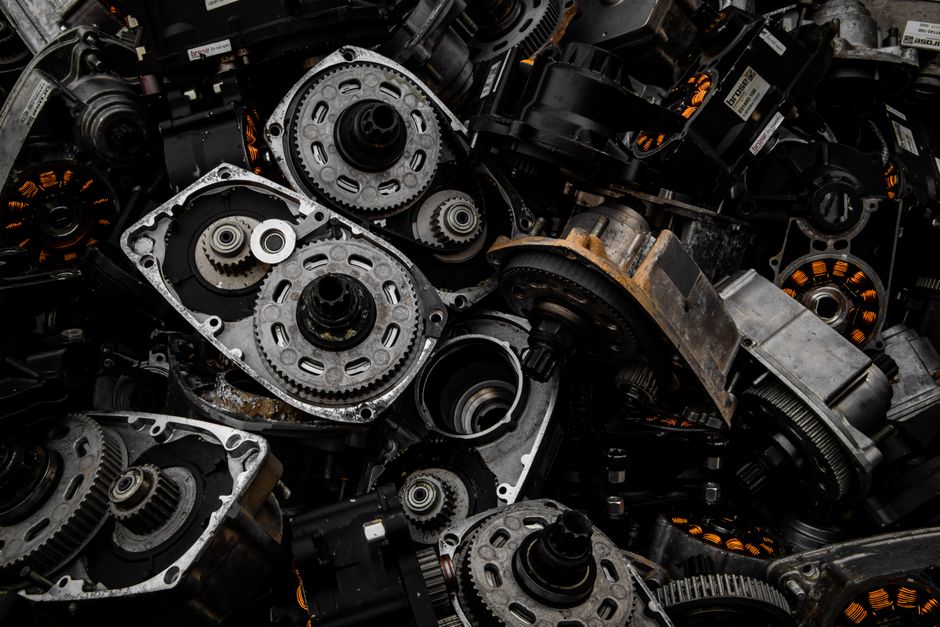
5 Major Causes of Motor Burnout and Preventive Measures
The motor is the core component of the aerator, and its normal operation is directly related to the benefit of breeding. However, motor burning is a common problem encountered by farmers, which not only affects the aerobic effect, but also may lead to economic losses. This article analyzes the common causes and preventive measures of motor burning in detail in the form of FAQ, to help you prolong the life of equipment and ensure the safety of breeding.
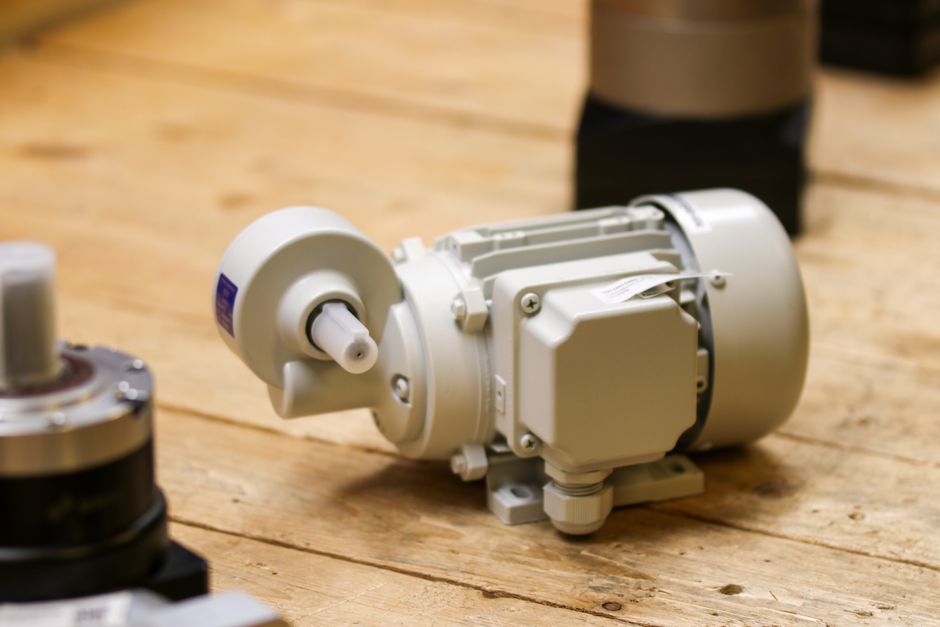
1. Will the motor overload cause it to burn out? How to avoid it?
Yes, motor overload is one of the main reasons for burning out. When the aerator is overloaded for a long time, for example, the impeller is entangled by aquatic plants or debris, or the voltage is too low, the motor current will increase, the winding temperature will rise sharply, and the insulation aging will accelerate, eventually burning out.
To avoid overload, it is necessary to clean the impeller and water inlet regularly to ensure that there is no debris; at the same time, monitor the voltage to ensure that the voltage is stable within the rated range. In addition, according to the pond area and breeding density, choose an aerator with the appropriate power to avoid "pony pulling cart".

2. What happens when the motor gets wet? How to prevent it?
Water or moisture in the motor will cause the insulation performance to decline, causing short circuit or leakage, and then burn the motor. When the aerator works on the water surface for a long time, when the seal is aged or damaged, water vapor is easy to invade the inside of the motor.
Preventive measures include: regularly checking the motor sealing ring and cable connector to ensure that they are in good condition; installing a leakage protector; covering the motor with a rain cover during shutdown to avoid direct rain; storing in a dry and ventilated place when not in use for a long time.
3. What is the impact of unstable power supply voltage on the motor?
If the voltage is too high or too low, the motor will be damaged. If the voltage is too high, the magnetic flux will be saturated, the current will increase, and the windings will overheat. If the voltage is too low, the starting torque will be insufficient, the speed will drop, and the current will increase, which will also lead to overheating. Long-term voltage instability will accelerate insulation aging and cause burning.
It is recommended to install a voltage regulator or voltage protector to ensure that the voltage fluctuation is within ±10%. At the same time, avoid sharing the line with other high-power equipment to prevent the voltage drop.
4. Will the motor burn out when it is out of phase? How to detect it?
Three-phase motor out of phase operation (ie, one-phase open circuit) will immediately cause the current to increase, the motor vibrates violently, emits a humming sound, and if the power is not cut in time, it will burn out in a short time. Phase loss is often caused by fuse fuse, contactor touchpoint ablation or circuit disconnection.
Detection method: Regularly check the power line and contactor, use a multimeter to measure whether the three-phase voltage is balanced; install a phase-out protector, and automatically cut off the power supply when phase-out occurs.
5. Will poor heat dissipation cause the motor to overheat?
The motor generates heat when it is running, and relies on the fan or shell to dissipate heat. If the cooling fan is damaged, the air duct is blocked, or the surface of the motor is covered with dust and dirt, the heat cannot be dissipated, and the temperature rises, burning the windings.
Regularly clean the surface of the motor and fan blades to maintain good ventilation; check whether the fan is operating normally, and replace it in time if there is any abnormality; avoid running for a long time in a high temperature environment, and install a sunshade.
6. What are the hazards of frequent motor startup?
Frequent starting will cause the motor to withstand a large current shock, and the starting current can reach 5-7 times the rated current, causing the winding temperature to rise sharply and accelerating insulation aging. At the same time, frequent starting also has an impact on mechanical components, shortening life.
The start and stop time of the aerator should be planned reasonably to avoid repeated switching in a short time; soft start devices such as frequency converters should be used to reduce the start-up current shock.
7. How to choose the right motor protector?
Motor protectors can effectively prevent burning, common thermal relays, over-current protectors and phase-loss protectors. When selecting, set appropriate protection parameters according to the rated current of the motor and the actual working conditions.
Thermal relays are suitable for overload protection, overcurrent protectors can deal with short circuits, and phase-loss protectors are designed to prevent phase-loss operation. It is recommended to use them comprehensively and check the accuracy of the protector's operation regularly.
8. What parts should be inspected during daily maintenance?
Daily maintenance is the key to preventing motor burn. Key inspection: whether the motor terminals are loose and oxidized; whether the cable is damaged; whether the impeller is balanced and there is no abnormal sound; whether the bearing is well lubricated and worn; whether the seal is tight.
It is recommended to perform a comprehensive maintenance every quarter, including cleaning, fastening, lubrication and insulation tests. Establish maintenance records to detect potential hazards in a timely manner.
9. How to repair the motor after it burns down?
Once the motor burns down, do not dismantle and repair it yourself, but ask a professional to diagnose it. Common faults include winding short circuit, open circuit, grounding, etc. During maintenance, rewind the windings or replace the stator, and check the bearings and seals at the same time.
After maintenance, insulation test and no-load practice run should be carried out to confirm that it is normal before putting it into use. If the motor aging is serious, it is recommended to replace the new motor to ensure safety.
10. How to choose a reliable aerator motor?
Select the motor produced by a regular manufacturer and check the product certification mark (such as CCC). Pay attention to the motor material, protection level (IP level) and energy efficiency level, and give priority to products with copper wire windings and fully enclosed structures.
Also, refer to user reviews and after-sales services. Ask for invoices and warranty cards when purchasing to protect your rights. The right motor can not only reduce failures, but also save energy and reduce consumption.
In short, although motor burnout is common, it can be completely prevented through scientific use and meticulous maintenance. Regular inspection, standardized operation, and installation of protective devices are the keys to prolonging the life of the motor. I hope this article can help you better manage the oxygenation equipment and ensure the success of breeding.


