 English
 简体中文
简体中文 Русский
 Español
Are Dental Floss Sticks as Effective as Regular Floss?
Discover if dental floss sticks are as effective as regular floss. Learn pros, cons, and tips for better oral hygiene. Read our FAQ now!
What Are Dental Floss Sticks?
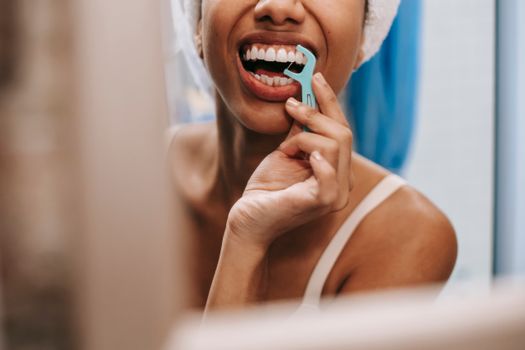
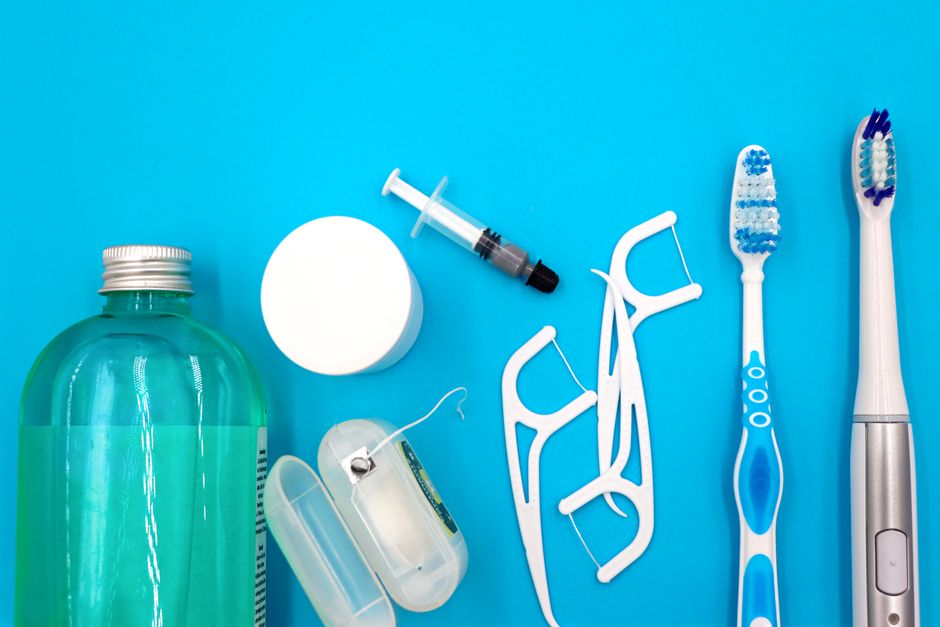
Dental floss sticks, also known as floss picks or dental floss holders, are small plastic tools with a curved head that holds a short strand of dental floss. They are designed to make cleaning between teeth easier, especially for people who struggle with traditional string floss. The handle allows you to reach the back of your mouth without wrapping floss around your fingers.
These disposable tools have become increasingly popular due to their convenience. You can use them on the go, at work, or after meals. But a common question is whether they are as effective as regular floss. In this FAQ, we will explore the differences, benefits, and drawbacks of dental floss sticks compared to traditional floss.
Are Dental Floss Sticks as Effective as Regular Floss?
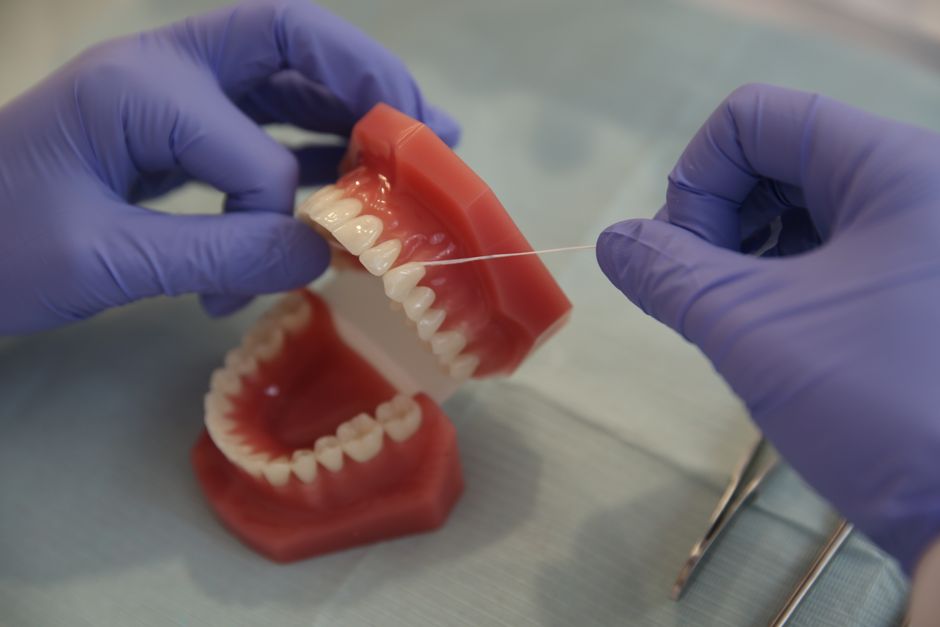
The short answer is: it depends on how you use them. When used correctly, dental floss sticks can remove plaque and food particles effectively. However, studies suggest that traditional string floss may have a slight edge because it can wrap around each tooth in a C-shape, allowing for better coverage below the gumline.
Floss sticks are typically made with a thin, round floss that may not adapt as well to the contours of your teeth. Nevertheless, for many people, using a floss stick is far better than not flossing at all. The best floss is the one you will actually use consistently.
What Are the Main Differences Between Floss Sticks and Regular Floss?
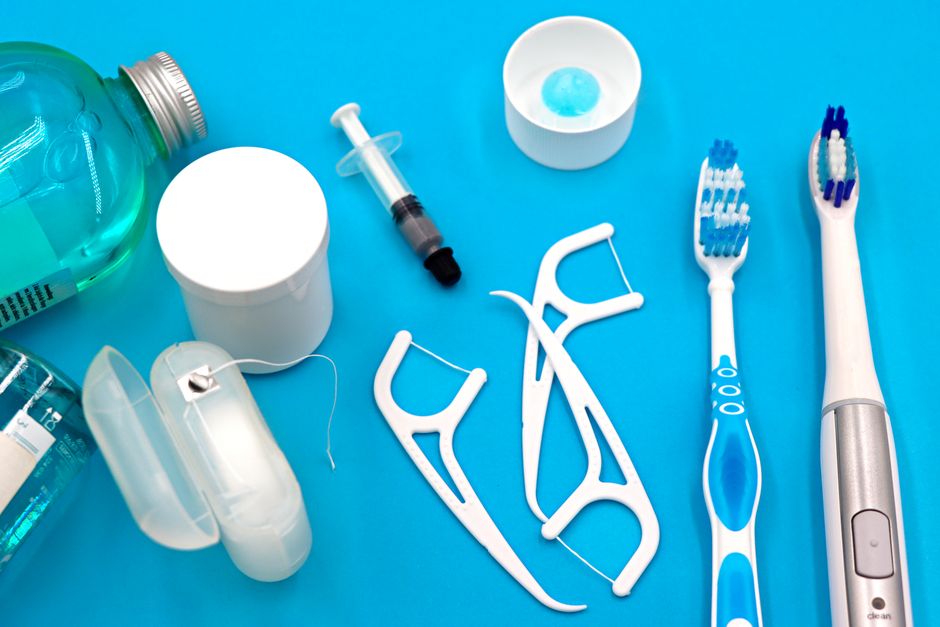
The primary difference lies in the design and technique. Regular floss is a long strand that you wrap around your fingers and slide between teeth. Floss sticks have a pre-threaded piece of floss on a plastic handle. This makes them easier to use for people with limited dexterity, braces, or small mouths.
Another difference is the type of floss used. Floss sticks often use a thinner, waxed floss that may not shred as easily but can be less effective at removing sticky plaque. Regular floss comes in many varieties, including waxed, unwaxed, tape, and superfloss, giving you more options for your specific needs.
Can Dental Floss Sticks Reach All Areas of the Mouth?
Floss sticks can reach most areas, but they may struggle with the back molars and tight spaces. The short floss strand limits how far you can wrap it around a tooth. Additionally, the plastic handle can make it difficult to angle the floss properly for a deep clean below the gumline.
For people with crowded teeth or dental work like bridges, regular floss or interdental brushes may be more effective. However, floss sticks are excellent for quickly removing food particles after meals, which helps prevent plaque buildup throughout the day.
Are There Any Disadvantages to Using Floss Sticks?
Yes, there are a few drawbacks. First, floss sticks are disposable, which creates plastic waste. Environmentally conscious users may prefer biodegradable options or traditional floss. Second, the floss on sticks can break or fray, especially if you have tight contacts between teeth.
Third, some people tend to reuse floss sticks, which can reintroduce bacteria into your mouth. It is best to use a new stick for each flossing session. Finally, because the floss is short, you might not be able to clean both sides of each tooth as thoroughly as with string floss.
What Do Dentists Recommend?
Most dentists recommend traditional string floss as the gold standard because it allows for proper technique. However, they also acknowledge that floss sticks are a good alternative for those who find regular floss difficult or uncomfortable. The key is to floss daily, regardless of the tool you choose.
Some dentists suggest using floss sticks in combination with regular floss. For example, use a floss stick during the day for quick cleanups and string floss at night for a thorough cleaning. Always ask your dentist or hygienist for a demonstration to ensure you are using the tool correctly.
How Should You Use Dental Floss Sticks Properly?
To get the most out of your floss stick, start by rinsing it under water. Gently slide the floss between two teeth using a back-and-forth motion. Curve the floss around the side of one tooth and slide it up and down, then repeat on the other side. Be careful not to snap the floss into your gums.
Use a fresh stick for each quadrant of your mouth, or at least for the upper and lower teeth. After flossing, rinse your mouth with water or mouthwash. Remember that flossing should be done at least once a day, preferably before brushing so that fluoride can reach between teeth.
Are Floss Sticks Safe for Braces and Dental Work?
Floss sticks can be safe for braces, but they may not be the best choice. The short floss strand can get caught on brackets and wires, making it frustrating to use. Specialized floss threaders or interdental brushes are often recommended for people with braces.
For dental implants, crowns, or bridges, floss sticks may not reach under the appliance effectively. In these cases, regular floss or a water flosser might be more appropriate. Always consult your dentist before changing your oral care routine.
Which Is Better for Gum Health: Floss Sticks or Regular Floss?
Regular floss generally provides better gum health because it can be wrapped around the tooth and slid gently under the gumline. This action removes plaque that can cause gingivitis. Floss sticks can also remove plaque, but their design makes it harder to achieve the same subgingival cleaning.
That said, if floss sticks encourage you to floss more often, they can still improve your gum health compared to not flossing. Consistency matters more than the tool. Combine daily flossing with regular dental checkups for optimal gum health.
Conclusion
Dental floss sticks are a convenient and effective alternative to regular floss for many people. While they may not be quite as thorough as string floss, they are far better than skipping flossing altogether. Choose the tool that you will use consistently, and maintain good oral hygiene habits for a healthy smile.
Tell us your market and volume — we send product suggestions, samples and pricing.