 English
 简体中文
简体中文 Русский
 Español
Dental Floss Stick vs Traditional Floss: Which Is Better?
Dental floss stick vs traditional floss: compare ease, cost, and gum health. See our clear recommendation and choose the best floss for your routine.

Introduction: The Daily Dilemma
Oral hygiene is a non-negotiable part of a healthy routine, yet the tools we use to clean between our teeth have evolved dramatically. For decades, traditional string floss was the gold standard recommended by dentists. Today, the dental floss stick—also known as a floss pick—has become a popular alternative for people seeking convenience and portability. But which option actually delivers better results for your gums and teeth? In this comparison, we break down the features, pros, cons, and ideal use cases for both dental floss sticks and traditional floss so you can make an informed decision.

What Is a Dental Floss Stick?
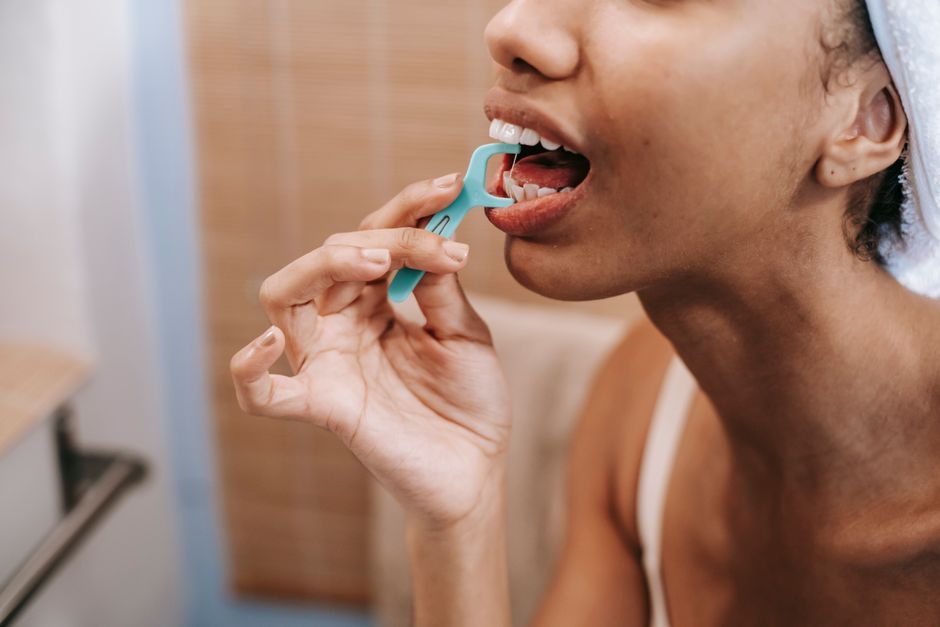
A dental floss stick is a small, handheld tool with a curved plastic handle and a short strand of floss stretched between two prongs. Many models include a pointed tip on the other end that doubles as a toothpick. They are designed for single-handed use, making them especially convenient for people who find traditional floss awkward or time-consuming.
Key Features of Dental Floss Sticks
- One-handed operation with no finger wrapping required
- Portable and disposable, ideal for travel or office use
- Often includes a toothpick tip for dislodging larger food particles
- Available in waxed, unwaxed, and flavored varieties
- Affordable and widely available in packs of 50 to 200
What Is Traditional Floss?
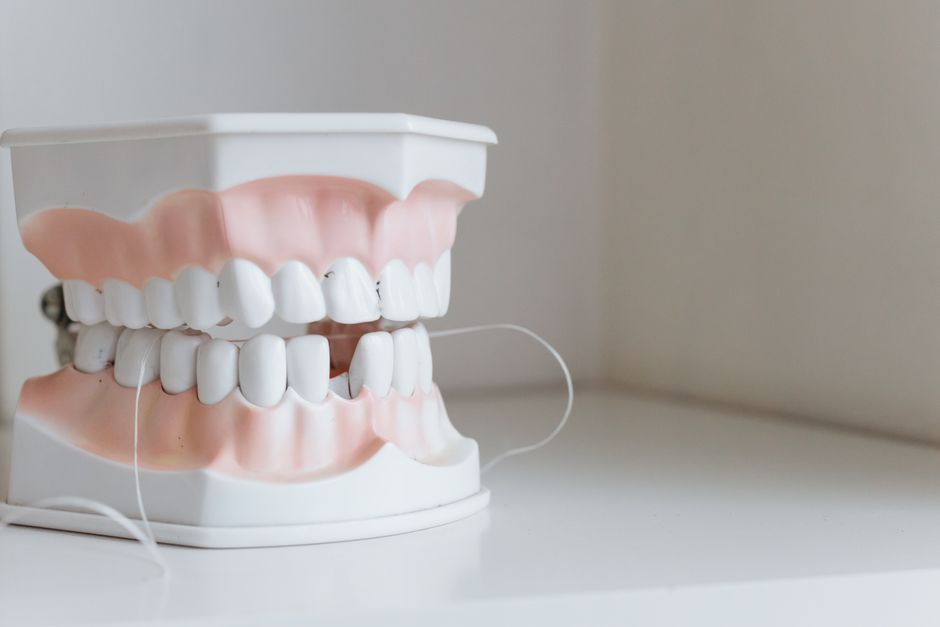
Traditional floss is a thin strand of nylon or PTFE (polytetrafluoroethylene) that you wrap around your fingers and slide between each tooth. It comes in waxed and unwaxed forms, as well as different thicknesses and flavors. Because you control the tension and angle, traditional floss allows for a customized clean that reaches below the gumline.
Key Features of Traditional Floss
- Customizable length and tension for a precise clean
- Can wrap around each tooth in a C-shape to clean below the gumline
- Available in waxed, unwaxed, and tape styles
- Requires two hands and more dexterity
- Typically sold in small dispensers or refillable containers
Head-to-Head Comparison
To make the choice clearer, here is a direct comparison of the most important factors.
| Feature | Dental Floss Stick | Traditional Floss |
|---|---|---|
| Ease of Use | Very easy; one-handed | Requires practice and two hands |
| Plaque Removal | Good for surface plaque | Excellent; reaches below gumline |
| Portability | Highly portable | Less convenient on the go |
| Cost per Use | Higher due to disposability | Lower; one dispenser lasts weeks |
| Environmental Impact | Plastic waste per use | Minimal waste; biodegradable options exist |
| Gum Health | Moderate; may miss tight spaces | Superior with proper technique |
| Best For | Kids, braces, quick cleanups | Thorough daily hygiene |
Pros and Cons of Dental Floss Sticks
Pros
- Encourages consistency because they are so easy to use
- Great for people with braces, bridges, or limited dexterity
- Convenient for cleaning after meals away from home
- Less likely to cause gum injury from improper wrapping
Cons
- Short floss strand cannot wrap around the tooth for a deep clean
- Generates more plastic waste
- Higher ongoing cost compared to a single dispenser
- Quality varies widely between brands
Pros and Cons of Traditional Floss
Pros
- Most effective at removing plaque and food debris below the gumline
- Dentists consider it the gold standard for interdental cleaning
- Cost-effective over time
- Minimal environmental footprint, especially with silk or biodegradable options
Cons
- Requires proper technique and patience
- Difficult for people with arthritis or braces
- Less convenient for on-the-go use
- Can cause gum irritation if used too aggressively
Which One Should You Choose?
The honest answer is that both tools have a place in a complete oral care routine. However, if you must pick one for daily use, traditional floss remains the superior choice for overall gum health because it can wrap around each tooth and clean below the gumline where plaque thrives. That said, a dental floss stick is far better than not flossing at all, and it is an excellent supplement for midday cleanups or for users who struggle with string floss.
Our Recommendation
- For most adults: Use traditional floss once daily, ideally at night, and keep dental floss sticks handy for quick cleanups after lunch.
- For kids and teens: Start with dental floss sticks to build the habit, then transition to traditional floss as dexterity improves.
- For people with braces or limited hand mobility: Dental floss sticks are a practical, effective alternative.
- For environmentally conscious users: Choose biodegradable floss or reusable floss picks to reduce plastic waste.
Final Verdict
There is no absolute winner in the dental floss stick vs traditional floss debate—it depends on your needs, habits, and lifestyle. Traditional floss wins on cleaning effectiveness and cost, while dental floss sticks win on convenience and accessibility. The best strategy is to combine both: rely on traditional floss for your thorough nightly routine and use a dental floss stick whenever you need a fast, effective clean on the go. Your gums will thank you either way.
Tell us your market and volume — we send product suggestions, samples and pricing.