 English
 简体中文
简体中文 Русский
 Español
 Deutsch
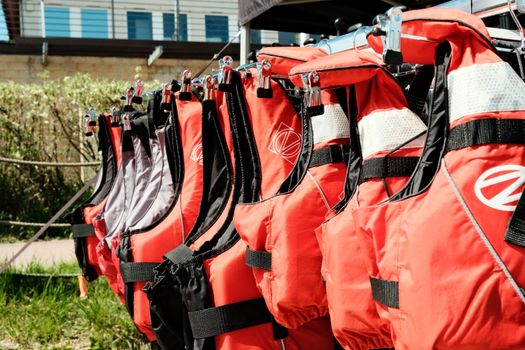
Why Life Jacket Laws Matter
Every year, drowning remains one of the leading causes of unintentional injury death in the United States, and the vast majority of those who drown in boating accidents were not wearing a life jacket. While life jackets—also called personal flotation devices or PFDs—are simple pieces of equipment, the laws that govern their use are anything but uniform. Instead of a single federal mandate, the United States relies on a patchwork of state regulations layered on top of U.S. Coast Guard requirements. Understanding these rules is essential whether you are a recreational boater, a paddler, a angler, or a parent taking children out on the water.
This guide breaks down how life jacket laws work, what the Coast Guard requires, how states differ, and what practical steps you can take to stay legal and safe on any body of water.
The Federal Baseline: U.S. Coast Guard Requirements
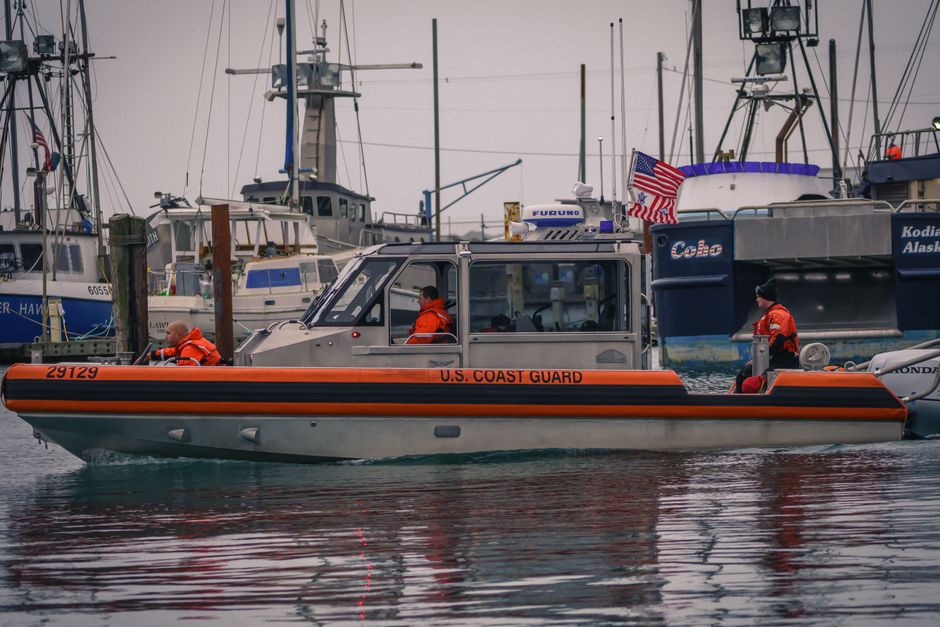
Before examining state laws, it helps to understand the federal foundation. The U.S. Coast Guard (USCG) sets minimum carriage requirements for recreational vessels. These rules do not always require you to wear a life jacket, but they do require you to have one aboard.
- One wearable PFD per person: Every vessel must carry at least one wearable life jacket for each person on board.
- Proper size and fit: Life jackets must be the appropriate size for the intended wearer and in serviceable condition.
- Accessibility: PFDs must be readily accessible, not stored in locked compartments or sealed packaging.
- Throwable device: Vessels 16 feet or longer must also carry at least one throwable PFD (such as a ring buoy or cushion) that is immediately available.
- Children: Federal law requires children under 13 to wear a USCG-approved life jacket while underway on recreational vessels, unless they are below deck or in an enclosed cabin.
- Approval: Only USCG-approved life jackets count toward legal requirements.
These federal rules form the floor, not the ceiling. States are free to impose stricter requirements, and most do—especially for children, certain activities, and cold-water seasons.
How State Life Jacket Laws Differ
There is no single national life jacket law. Each state manages its own boating regulations, which means the rules can change dramatically as you cross a state line or even a lake boundary. State laws typically address several key variables:
- Age thresholds for mandatory wear: Common ages are under 6, under 12, or under 13.
- Vessel length and type: Some states require wear on canoes, kayaks, paddleboards, or vessels under a certain length.
- Activity-based rules: Water skiing, tubing, personal watercraft use, and whitewater paddling often trigger mandatory wear.
- Seasonal or temperature rules: Some states require wear during cold-water months or when water temperatures fall below a threshold.
- Enforcement and penalties: Fines range from modest citations to substantial penalties, and repeat offenses can escalate.
Because these variables combine differently in every state, the safest approach is to check your state's boating handbook before every season.
State-by-State Overview of Life Jacket Rules
The table below summarizes general patterns. Always verify current details with your state boating agency, as laws are updated regularly.
| State | Child Wear Requirement | Notable Additional Rules |
|---|---|---|
| California | Under 13 | Wear required on personal watercraft; throwable required on vessels 16 ft+ |
| Florida | Under 6 | Wear required on PWC and while being towed; strong enforcement |
| Texas | Under 13 | Wear required on PWC; canoe and kayak rules vary by water body |
| New York | Under 12 | Seasonal wear required on vessels under 21 ft from Nov 1 to May 1 |
| Washington | Under 12 | Wear required on vessels under 19 ft during cold-water periods |
| Michigan | Under 6 | Wear required on PWC; certain rental operations must provide PFDs |
| Alaska | Under 13 | Strong cold-water emphasis; wear strongly encouraged year-round |
| Maine | Under 10 | Seasonal wear rules for canoes and kayaks |
This table is illustrative, not exhaustive. States such as Minnesota, Wisconsin, and Oregon have their own nuanced rules, often tied to cold water and paddle sports. Some states also require life jackets for anyone being towed behind a boat, regardless of age.
Children and Life Jacket Laws
Children are the most protected group under state law, and for good reason. Drowning is a leading cause of death for young children, and a properly fitted life jacket is the single most effective prevention tool. Most states set a mandatory wear age—commonly under 6, under 12, or under 13—but the details matter:
- Weight and chest size: A life jacket must fit the child's weight and chest circumference, not just their age.
- Type and approval: Only USCG-approved devices count, and some states specify type or performance level.
- Supervision: Even when wear is not legally required, close adult supervision is essential.
- Exceptions: Many states exempt children below deck or in enclosed cabins, but this varies.
Parents should treat the strictest nearby rule as their personal standard. If you boat across state lines or in federal waters, a child-sized, properly fitted jacket worn at all times removes the guesswork.
Activity-Specific Rules: PWC, Paddling, and Tow Sports
Beyond age, states often regulate life jacket use by activity. The three most common categories are personal watercraft, paddle sports, and towed activities.
Personal Watercraft (PWC)
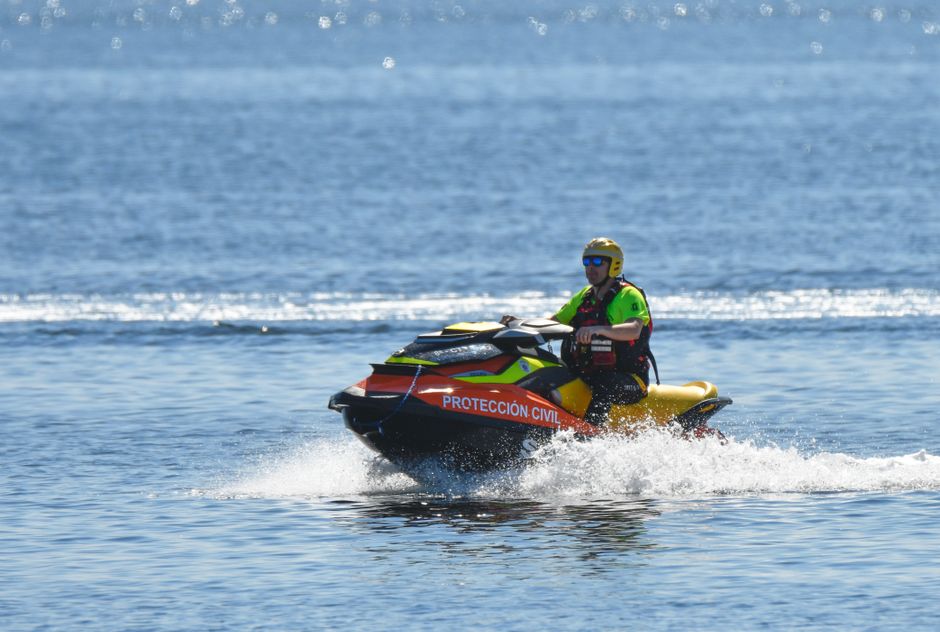
Nearly every state requires operators and passengers of personal watercraft—jet skis, wave runners, and similar vessels—to wear a life jacket at all times. This is one of the most consistent rules across the country.
Paddle Sports
Canoes, kayaks, and stand-up paddleboards are treated differently from state to state. Some states require wear only for children or during cold-water seasons, while others mandate wear for all paddlers in certain conditions. Paddleboarders should also check whether their board counts as a vessel in their state, which affects carriage requirements.
Towed Activities
Water skiing, wakeboarding, tubing, and similar activities almost always require a life jacket. Many states also require a spotter or observer in addition to the operator.
Cold-Water and Seasonal Requirements
A growing number of states have adopted seasonal wear requirements, often tied to water temperature or calendar dates. The logic is simple: cold water dramatically increases the risk of cold shock and incapacitation, making a life jacket even more critical. States like New York and Washington require wear on smaller vessels during colder months. If you boat in northern latitudes or at high elevation, assume seasonal rules may apply and check before you launch.
Penalties for Non-Compliance
Fines for life jacket violations vary widely. In many states, a first offense results in a citation with a modest fine, while repeat offenses or violations involving children can lead to higher penalties. Beyond fines, non-compliance can affect insurance claims and liability in the event of an accident. In some cases, boating while intoxicated combined with a life jacket violation can escalate charges significantly.
Practical Tips for Staying Legal and Safe
- Check your state handbook annually: Laws change, and handbooks are updated to reflect new rules.
- Match the jacket to the person and activity: Use USCG-approved devices sized correctly for each wearer.
- Wear, don't just carry: Carriage requirements are not the same as wear requirements.
- Inspect before each trip: Check for tears, broken zippers, and degraded straps.
- Plan for cold water: Consider a higher-performance jacket in cold conditions.
- Educate guests: Brief passengers on where jackets are stored and how to put them on.
- When in doubt, wear it: The safest choice is always to wear a properly fitted life jacket.
Conclusion
Life jacket laws in the United States are a blend of federal minimums and state-specific rules that vary by age, activity, vessel type, and season. While the details differ from state to state, the underlying principle is consistent: a properly fitted, USCG-approved life jacket is the most effective way to prevent drowning. By understanding the federal baseline, checking your state's specific requirements, and adopting a wear-it-always mindset, you can enjoy the water with confidence—and stay on the right side of the law.