 English
 简体中文
简体中文 Русский
 Español
 Deutsch
Type 1 vs Type 2 Life Jacket: Which One Do You Need?
Choosing the right life jacket can mean the difference between a safe day on the water and a dangerous situation. Among the many options, Type 1 and Type 2 life jackets are the most common for recreational boaters. But what exactly sets them apart, and which one should you buy? This comparison breaks down buoyancy, performance, comfort, and ideal use cases so you can make an informed decision.
What Are Type 1 and Type 2 Life Jackets?
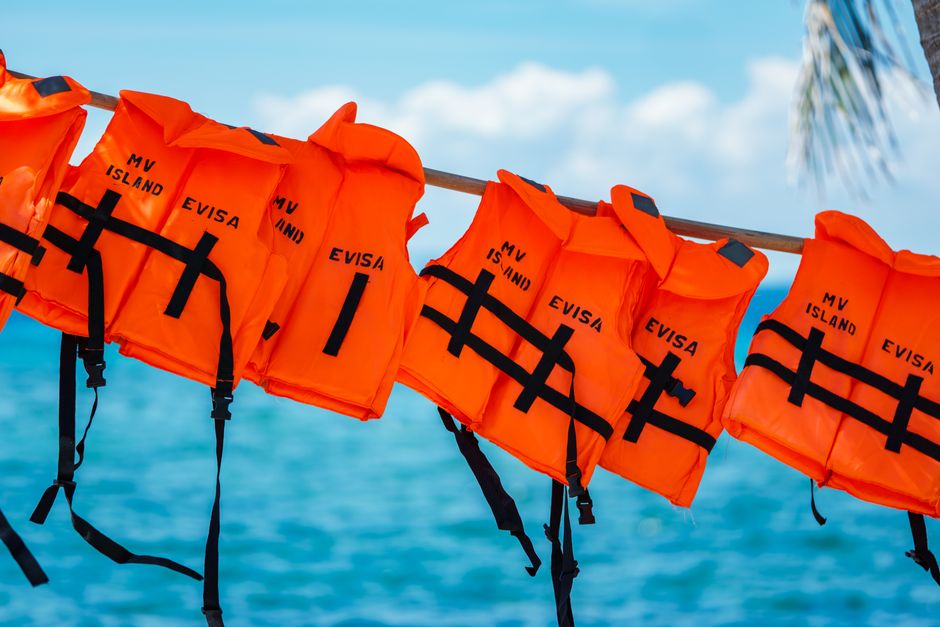
In the United States, life jackets are classified by the U.S. Coast Guard. Type 1 (Offshore Life Jacket) is designed for rough, open water where rescue may be delayed. Type 2 (Near-Shore Buoyant Vest) is intended for calm, inland waters where fast rescue is likely. Understanding these design goals is the key to choosing correctly.
Type 1: Offshore Life Jacket
Type 1 life jackets provide the highest level of buoyancy, typically 22 pounds (about 10 kg) or more for adults. They are bulky and designed to turn an unconscious person face-up in the water, which is critical in open ocean or rough conditions. They are the bulkiest and least comfortable for continuous wear, but they offer the best survival odds when help is far away.
Type 2: Near-Shore Buoyant Vest
Type 2 life jackets offer a minimum of 15.5 pounds (about 7 kg) of buoyancy for adults. They are less bulky and more comfortable than Type 1, making them suitable for calm inland waters like lakes, ponds, and slow rivers. However, they may not turn an unconscious wearer face-up as reliably, and they are not recommended for rough or remote waters.
Key Differences at a Glance
The table below summarizes the most important differences between Type 1 and Type 2 life jackets.
| Feature | Type 1 (Offshore) | Type 2 (Near-Shore) |
|---|---|---|
| Minimum Buoyancy (Adult) | 22 lbs (10 kg) | 15.5 lbs (7 kg) |
| Turning Ability | Excellent – turns most unconscious wearers face-up | Good – may turn some wearers face-up |
| Bulk & Comfort | Bulky, less comfortable for all-day wear | Less bulky, more comfortable |
| Best For | Open ocean, rough seas, remote areas, offshore fishing | Calm inland waters, lakes, ponds, slow rivers, near-shore activities |
| Rescue Time Assumption | Delayed rescue possible | Fast rescue likely |
| Typical Price Range | $40 – $120 | $25 – $70 |
| Coast Guard Approval | Yes | Yes |
Performance in Real Conditions
Buoyancy and Flotation
Type 1 life jackets float higher on the chest, which helps keep the head above water even in choppy conditions. Type 2 vests sit lower and are easier to swim in, but they may not keep your face clear of waves if you are exhausted or unconscious.
Turning and Stability
The ability to turn an unconscious person face-up is the single biggest safety advantage of Type 1. In offshore environments, where waves can come from any direction, this feature saves lives. Type 2 jackets offer some turning ability, but it is not as reliable, especially in rough water.
Comfort and Wearability
Type 2 wins on comfort. Its slimmer profile allows for more freedom of movement, making it a better choice for paddling, fishing, or sailing on calm days. Type 1 jackets can feel restrictive, which may tempt wearers to remove them—a dangerous habit. The best life jacket is the one you actually wear.
Which One Should You Choose?
The choice depends on where and how you boat. Use this simple guide:
- Choose Type 1 if: You venture into open ocean, large lakes with rough conditions, or remote areas where rescue could take hours. It is also the best choice for children and non-swimmers in any open water.
- Choose Type 2 if: You stay in calm, inland waters close to shore, such as small lakes, ponds, or slow rivers, and help is never far away.
- Consider a Type 3 or inflatable PFD if: You need maximum comfort for active sports in calm water, but be aware that Type 3 vests offer less turning ability than Type 1.
Our Recommendation
If you can only own one life jacket and you boat in varied conditions, we recommend a Type 1 offshore life jacket. Its superior buoyancy and turning ability provide the highest margin of safety, especially in emergencies. For casual, calm-water outings where comfort is a priority, a Type 2 near-shore vest is a practical and affordable choice. Always check that your life jacket is U.S. Coast Guard approved, fits snugly, and is appropriate for your body weight and activity.
Final Thoughts
Both Type 1 and Type 2 life jackets save lives—but they are engineered for different scenarios. Type 1 is your offshore survival tool; Type 2 is your comfortable everyday companion for calm waters. Match the jacket to your environment, and never compromise on safety. When in doubt, choose the higher buoyancy rating. Your life is worth it.