 English
 简体中文
简体中文 Русский
 Español
 Deutsch
Aerial Yoga Hammock for Anxiety & Stress Relief
Introduction: Why Aerial Yoga Hammocks Are Changing Anxiety Relief
Anxiety and stress have become defining challenges of modern life. According to the American Institute of Stress, nearly 80% of adults report experiencing physical symptoms of stress, and anxiety disorders affect over 40 million adults in the United States alone. While traditional treatments like therapy, medication, and meditation have proven effective, a growing body of practitioners and researchers is turning to an unexpected tool: the aerial yoga hammock.
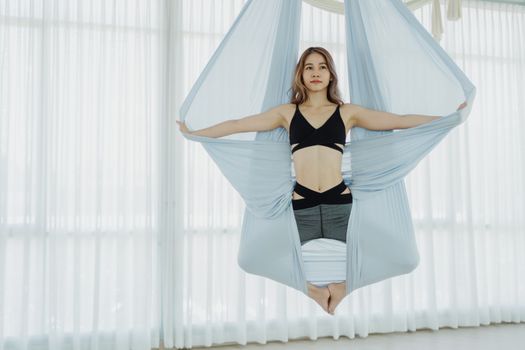
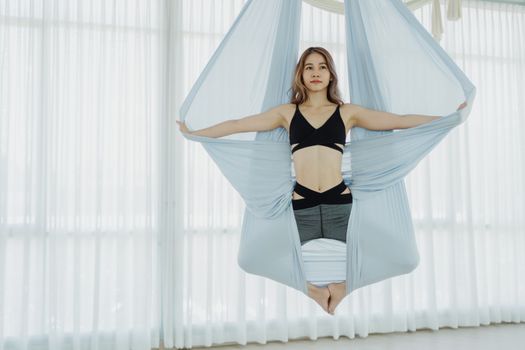
Aerial yoga hammocks, also known as aerial swings or flying yoga hammocks, suspend the body in a soft fabric sling that supports gentle inversions, deep stretching, and a unique form of sensory relaxation. Unlike mat-based yoga, the hammock cradles the body, creating a sensation of weightlessness that can calm the nervous system almost immediately. In this comprehensive guide, we will explore exactly how aerial yoga hammocks work for anxiety and stress relief, what the science says, how to get started safely, and practical routines you can use at home or in a studio.

Understanding Anxiety and Stress: A Quick Primer
Before diving into the hammock itself, it helps to understand what happens in the body during anxiety and stress.
- The sympathetic nervous system activates the "fight-or-flight" response, releasing cortisol and adrenaline.
- Heart rate and blood pressure increase, muscles tense, and breathing becomes shallow.
- The mind enters a loop of worry, rumination, and hyper-vigilance.
Chronic activation of this system can lead to fatigue, insomnia, digestive issues, and worsened mental health. The goal of most anxiety-relief practices is to activate the parasympathetic nervous system — the "rest-and-digest" branch — which lowers heart rate, relaxes muscles, and restores calm. Aerial yoga hammocks offer a remarkably direct route to this state.
How Aerial Yoga Hammocks Work for Anxiety and Stress Relief
1. Gentle Inversions and the Vagus Nerve
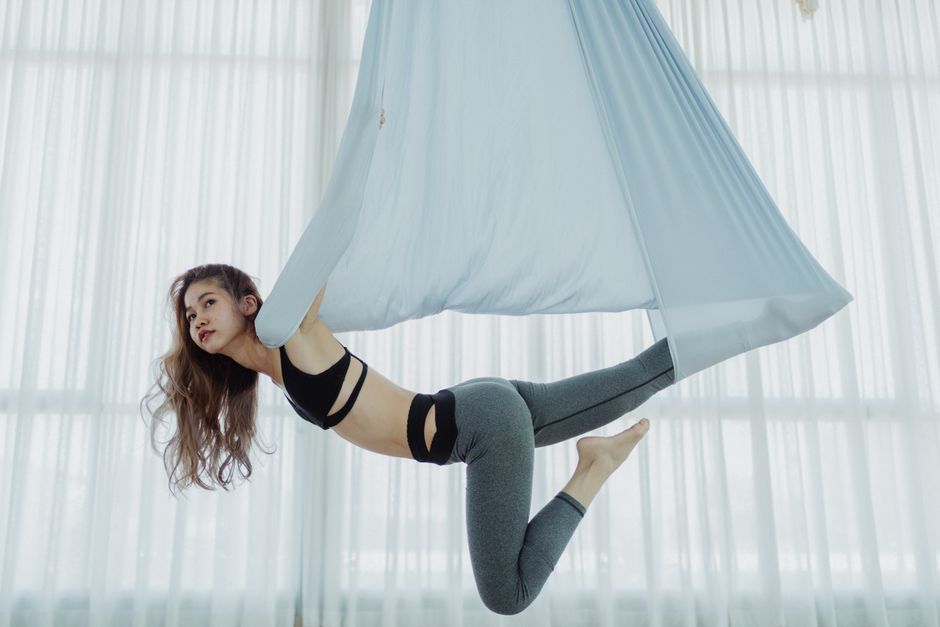
When you lie back in an aerial hammock, your spine decompresses and your head is often positioned slightly below or level with your heart. This mild inversion increases blood flow to the brain and stimulates the vagus nerve, a key component of the parasympathetic nervous system. Vagal stimulation is associated with reduced anxiety, improved mood, and better emotional regulation. Many practitioners describe an immediate "reset" feeling after just a few minutes of supported inversion.
2. The Cocoon Effect: Deep Pressure and Sensory Calming
Wrapping yourself in a hammock creates a sensation similar to a weighted blanket or a gentle hug. This is often called the cocoon effect. The fabric applies even, gentle pressure across the body, which can reduce cortisol levels and promote the release of oxytocin and serotonin. For people with sensory processing sensitivities or high-functioning anxiety, this containment can be profoundly soothing.
3. Rhythmic Movement and Mindfulness
Aerial hammocks naturally sway. This gentle, rhythmic motion — similar to a rocking chair or a baby swing — has been shown to calm the nervous system and improve sleep quality. Combined with slow breathing and mindful awareness, the hammock becomes a moving meditation device. You do not need to "try hard" to meditate; the hammock does much of the work for you.
4. Stretching Away Physical Tension
Anxiety lives in the body as much as the mind. Tight shoulders, a clenched jaw, and a stiff lower back are common. Aerial hammocks allow you to hang, lengthen, and release these areas without compression on the joints. Releasing physical tension sends a powerful safety signal to the brain, reducing the perception of threat.
The Science Behind Aerial Yoga and Mental Health
While research specifically on aerial hammocks is still emerging, several related fields provide strong supporting evidence.
| Research Area | Key Finding | Relevance to Aerial Hammocks |
|---|---|---|
| Yoga and anxiety | Yoga interventions significantly reduce anxiety scores in multiple meta-analyses. | Aerial yoga adds inversion and suspension to traditional yoga benefits. |
| Vagal tone | Higher vagal tone is linked to lower anxiety and better stress resilience. | Inversions and slow breathing in a hammock may boost vagal tone. |
| Deep pressure stimulation | Deep pressure reduces physiological arousal and improves calm. | The hammock's fabric wrap provides full-body deep pressure. |
| Rhythmic movement | Rocking motion improves sleep and reduces anxiety in adults. | The natural sway of a hammock mimics this calming rhythm. |
In one small study of aerial yoga participants, researchers observed significant reductions in perceived stress and improvements in mood after a single session. Anecdotal reports from studios worldwide echo these findings: students often report feeling "lighter," "safer," and "more present" after class.
Getting Started: What You Need to Know
Choosing the Right Hammock
Not all aerial hammocks are created equal. For anxiety and stress relief, prioritize comfort, safety, and ease of use.
- Material: Look for low-stretch, breathable fabrics like nylon tricot or parachute silk. They support the body firmly without sagging.
- Weight capacity: Most quality hammocks support 300–500 lbs (136–227 kg). Always check the rating.
- Hardware: Ensure the kit includes rated carabiners, daisy chains, and a swivel for smooth movement.
- Ceiling height: You need at least 8–9 feet (2.4–2.7 m) of clearance for safe inversions.
Setting Up Safely at Home
If you plan to install a hammock at home, mount it into a structural beam or use a professional aerial rig. Never attach it to a drop ceiling, a single joist without reinforcement, or unstable fixtures. When in doubt, consult a contractor or an aerial yoga instructor. Many people start with a freestanding aerial yoga stand, which requires no ceiling modification.
Finding a Class or Instructor
For beginners, a guided class is the safest way to learn. Look for instructors certified in aerial yoga (e.g., through Yoga Alliance-recognized programs). Tell your instructor about your anxiety, injuries, or health conditions such as glaucoma, vertigo, or uncontrolled blood pressure, as some poses may need modification.
Practical Aerial Yoga Poses for Anxiety and Stress Relief
These poses are beginner-friendly and specifically chosen for their calming effects. Always warm up gently and move slowly.
1. Supported Savasana (Cocoon Pose)
Sit in the hammock, then lie back so the fabric supports your entire spine. Let your arms rest at your sides. Close your eyes and breathe slowly for 5–10 minutes. This is the single most effective pose for immediate anxiety relief.
2. Inverted Butterfly
Lie back in the hammock and bring the soles of your feet together, letting your knees fall open. The hammock supports your hips. This pose opens the hips and calms the mind. Hold for 2–3 minutes.
3. Forward Fold in the Sling
Stand facing the hammock, place your hips in the fabric, and fold forward, letting your upper body hang. This decompresses the spine and releases tension in the back and shoulders. Breathe deeply for 1–2 minutes.
4. Child's Pose in the Hammock
Kneel inside the hammock with the fabric supporting your torso. Rest your forehead on the fabric and let your arms relax. This pose is deeply grounding and often brings a sense of safety.
5. Gentle Swing Meditation
Lie back in the cocoon pose and allow the hammock to sway gently. Focus on the rhythm of the movement and your breath. Even 5 minutes can shift your nervous system out of fight-or-flight.
Building a Home Practice: A Sample 20-Minute Routine
| Time | Practice | Purpose |
|---|---|---|
| 0–3 min | Centering breath in seated hammock | Transition from busy mind to present moment |
| 3–8 min | Supported Savasana (Cocoon) | Activate parasympathetic response |
| 8–12 min | Inverted Butterfly | Release hip and lower back tension |
| 12–16 min | Forward Fold and Child's Pose | Decompress spine, calm mind |
| 16–20 min | Gentle Swing Meditation | Integrate calm, reduce rumination |
Practice 3–5 times per week for best results. Even one session during a stressful day can be transformative.
Tips for Maximizing Anxiety Relief in Your Hammock
- Breathe slowly and deeply. Aim for a 4-second inhale, 6-second exhale. Long exhales directly stimulate the vagus nerve.
- Dim the lights. Soft lighting or candles signal safety to the brain.
- Use calming sounds. Nature sounds, binaural beats, or gentle music can deepen relaxation.
- Avoid screens before practice. Give your nervous system a break from stimulation.
- Be patient. Anxiety relief is cumulative. Consistency matters more than intensity.
- Never force a pose. If you feel dizzy, numb, or panicked, come out slowly and breathe.
Who Should Avoid or Modify Aerial Yoga
Aerial yoga is generally safe, but certain conditions require caution or medical clearance:
- Uncontrolled high blood pressure or heart conditions
- Glaucoma or recent eye surgery
- Vertigo, inner ear disorders, or severe motion sickness
- Pregnancy (especially after the first trimester)
- Recent surgery, fractures, or severe osteoporosis
- Severe anxiety or panic disorder — start with a therapist or experienced instructor
Always consult your healthcare provider before beginning any new physical practice, especially if you are managing a mental health condition.
Combining Aerial Yoga with Other Anxiety-Relief Practices
Aerial yoga hammocks work beautifully alongside other modalities:
- Therapy: Use the hammock as a grounding tool before or after sessions.
- Meditation: The hammock can deepen mindfulness by making stillness feel effortless.
- Journaling: Reflect on your practice to track emotional patterns.
- Breathwork: Pair hammock time with pranayama or box breathing.
- Nature exposure: If possible, hang your hammock outdoors for added calming benefits.
Frequently Asked Questions
How quickly can I feel results?
Many people feel calmer within the first 5–10 minutes of lying in a hammock. Lasting anxiety reduction typically builds over weeks of consistent practice.
Is aerial yoga safe for beginners?
Yes, with proper setup and instruction. Start with supported, low-to-the-ground poses and progress gradually.
Can I use an aerial hammock if I am overweight?
Absolutely. Choose a hammock with an appropriate weight rating and consult an instructor who can adapt poses to your body.
Do I need a therapist to use an aerial hammock for anxiety?
No, but if you have a diagnosed anxiety disorder or panic attacks, working with a mental health professional alongside your practice is ideal.
Conclusion: A Gentle Path to Calm
Aerial yoga hammocks offer a unique, evidence-informed way to soothe anxiety and stress. By combining gentle inversion, deep pressure, rhythmic movement, and mindful breathing, they speak directly to the nervous system in a language it understands: safety. Whether you join a studio class or set up a hammock at home, the practice invites you to slow down, let go, and float. In a world that rarely stops, that invitation may be exactly what your mind and body need.
Start small. Breathe deeply. Let the hammock hold you.
Ask us anything about fabrics, rigging, load ratings or shipping — we answer personally.