 English
 简体中文
简体中文 Русский
 Español
 Deutsch
Yoga Hammock vs Swing Chair for Relaxation
Introduction: Two Paths to Deep Relaxation
If you are looking to create a calming corner at home, two hanging options often come up in conversation: the yoga hammock and the swing chair. Both suspend you off the ground, both invite you to slow down, and both can transform an ordinary room or garden into a retreat. But they are built for different bodies, different spaces, and different goals. This comparison breaks down materials, setup, comfort, health benefits, price, and maintenance so you can choose the right one for your relaxation routine.
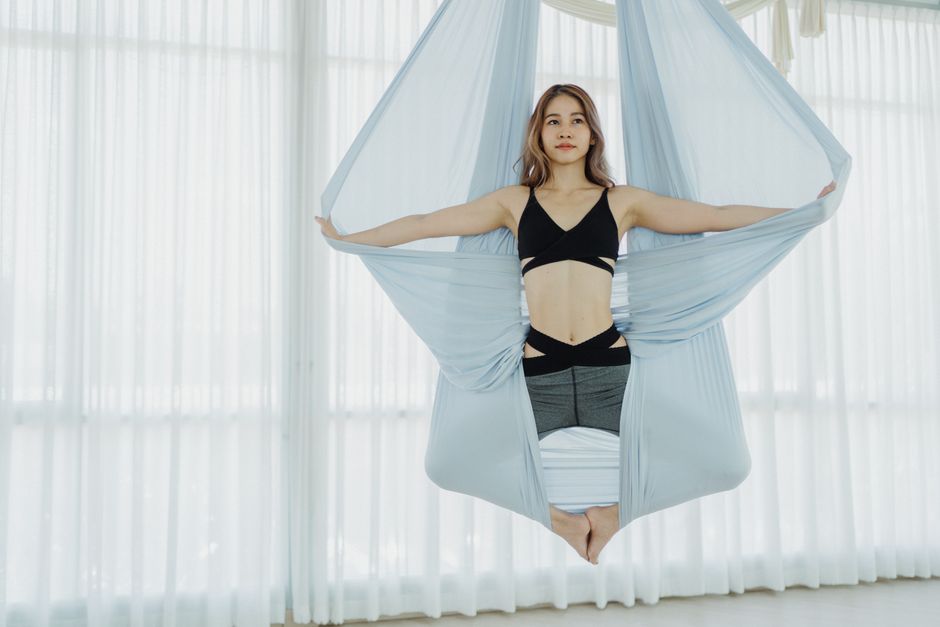
What Is a Yoga Hammock?
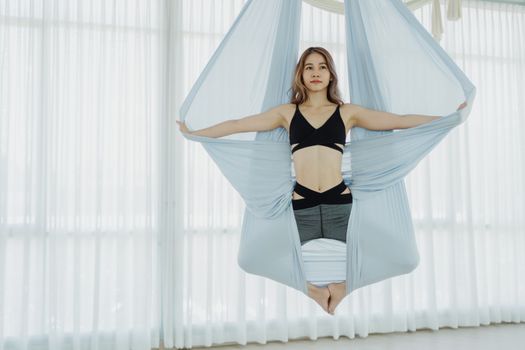
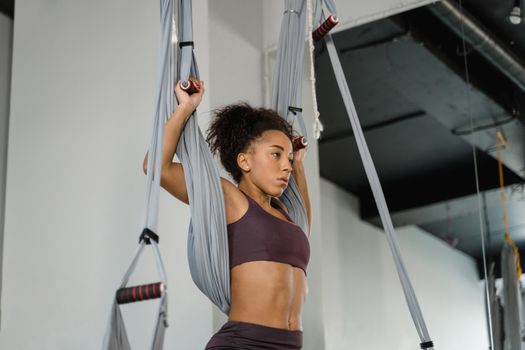
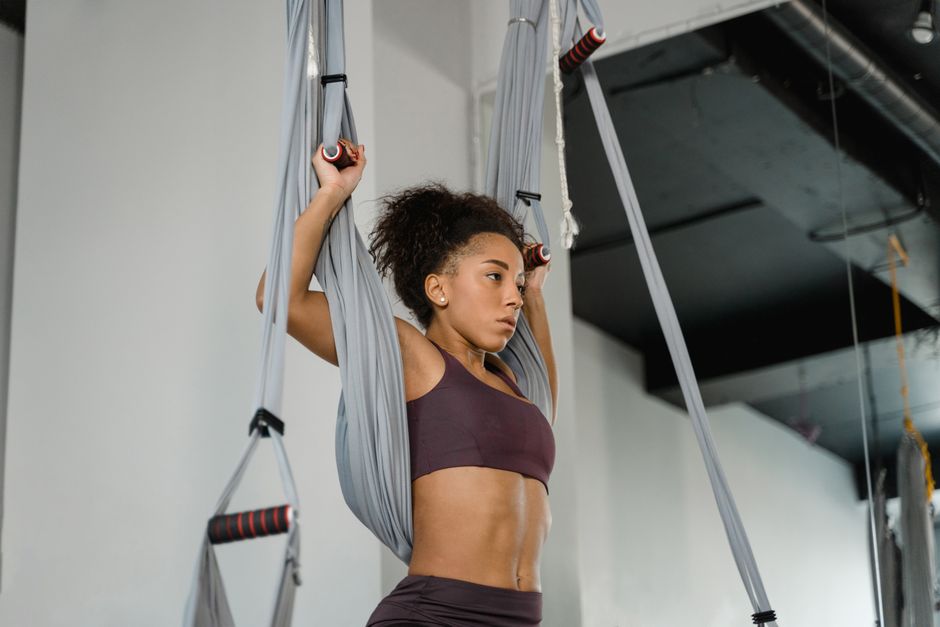
A yoga hammock, sometimes called an aerial yoga hammock or flying yoga swing, is a length of strong, low-stretch fabric suspended from a single or double anchor point. It is designed to support inversions, stretches, and supported rest poses. Most models use parachute nylon or a cotton-linen blend and come with handles, carabiners, and daisy chains for adjustable height.
Key Traits
- Weight capacity: typically 300–500 lbs (136–227 kg)
- Material: parachute nylon, tricot, or cotton blend
- Primary use: stretching, inversions, spinal decompression, savasana
- Mounting: ceiling beam, stand, or sturdy branch
What Is a Swing Chair?
A swing chair (also called a hanging chair, hammock chair, or egg chair) is a seat suspended from above. It may have a rigid frame, a fabric seat, or a woven basket shape. Swing chairs prioritize lounging: you sit, curl up, read, or nap. They are often used on porches, in bedrooms, and in gardens.
Key Traits
- Weight capacity: typically 250–400 lbs (113–181 kg)
- Material: cotton rope, macrame, rattan, wicker, or polyester
- Primary use: sitting, reading, napping, gentle rocking
- Mounting: ceiling, stand, or tree branch
Feature Comparison Table
| Feature | Yoga Hammock | Swing Chair |
|---|---|---|
| Main purpose | Stretching, inversions, aerial yoga | Lounging, reading, napping |
| Body position | Reclined, inverted, supported | Seated, curled, semi-reclined |
| Material | Parachute nylon, tricot, cotton blend | Macrame, rattan, wicker, polyester |
| Weight capacity | 300–500 lbs | 250–400 lbs |
| Setup difficulty | Moderate (needs anchor + height tuning) | Easy to moderate |
| Space needed | About 8–10 ft ceiling or stand | About 6–8 ft clearance |
| Portability | High (packs into a small bag) | Low to moderate |
| Health focus | Spine, core, flexibility, circulation | Stress relief, gentle motion, comfort |
| Price range | $50–$200 | $60–$400 |
| Weather resistance | Good indoors; limited outdoors | Varies; outdoor models are common |
| Maintenance | Machine washable fabric | Spot clean; rattan needs care |
Comfort and Relaxation
Both options feel good, but they deliver relaxation differently. A yoga hammock cradles your whole body and lets gravity decompress your spine. Many people find that a few minutes of supported inversion melts tension in the lower back and shoulders. A swing chair, by contrast, offers a cozy seated cocoon. The gentle sway is soothing and ideal for reading or drifting off.
If your goal is active recovery and flexibility, the yoga hammock wins. If your goal is passive comfort and a cozy reading nook, the swing chair wins.
Health and Wellness Benefits
Yoga Hammock Benefits
- Spinal decompression and improved posture
- Core strengthening through unstable support
- Increased flexibility with supported stretches
- Better circulation from gentle inversions
- Deep relaxation in savasana
Swing Chair Benefits
- Reduced stress from rhythmic rocking
- Improved mood and calm
- Comfortable support for long reading sessions
- Encourages rest and mindfulness
Installation and Space
A yoga hammock needs a reliable anchor point, ideally a ceiling beam rated for dynamic loads, or a dedicated stand. You also need enough height to hang it so your feet clear the floor during inversions. A swing chair needs less height and can often hang from a porch beam or a sturdy branch. If you rent, a stand is the safer choice for both.
Cost and Value
Yoga hammocks are usually cheaper to buy and easier to store. Swing chairs can cost more, especially rattan or egg-chair designs, but they double as furniture. Consider your budget and whether you want a fitness tool or a decorative seat.
Which Should You Choose?
Choose a yoga hammock if you want a versatile tool for stretching, inversions, and active relaxation, and you have a solid anchor point and enough ceiling height. Choose a swing chair if you want a comfortable, stylish seat for reading, napping, and gentle rocking, especially in a living room, bedroom, or covered porch.
Quick Recommendation
- Best for fitness and flexibility: Yoga hammock
- Best for cozy lounging: Swing chair
- Best for small apartments: Yoga hammock (packs away)
- Best for outdoor porches: Swing chair
- Best for back pain relief: Yoga hammock
Final Thoughts
There is no single winner. The yoga hammock is a wellness tool that supports movement and recovery, while the swing chair is a comfort piece that invites rest. Many people eventually own both, using the hammock for morning stretches and the chair for evening reading. Start with the one that matches your primary relaxation goal, and you will not regret the choice.
Ask us anything about fabrics, rigging, load ratings or shipping — we answer personally.