
 English
 简体中文
简体中文 Русский
 Español
 Deutsch
How to Inflate a Paddle Board Without a Pump
No pump? Learn how to inflate a paddle board without a pump using electric inflators, vacuum blowers, and adapters. Step-by-step guide with safety tips.
Why You Might Need to Inflate a Paddle Board Without a Pump
You've unrolled your inflatable paddle board on the beach, the sun is shining, the water is glassy — and then you realize your pump is missing, broken, or still sitting in the garage. It happens more often than you'd think. Maybe the hose cracked, the piston seal failed, or you simply forgot it at home. Whatever the reason, you're now staring at a deflated board and wondering if your session is over before it started.
The good news: while a hand pump is by far the easiest and most efficient tool for the job, it isn't the only way to get your SUP ready for the water. With the right knowledge, a bit of creativity, and some patience, you can inflate a paddle board without a dedicated pump. This guide walks you through every realistic option, from electric inflators and compressors to manual backup methods, plus critical safety tips so you don't damage your board or overdo it.
Understanding Your Paddle Board's Inflation Requirements
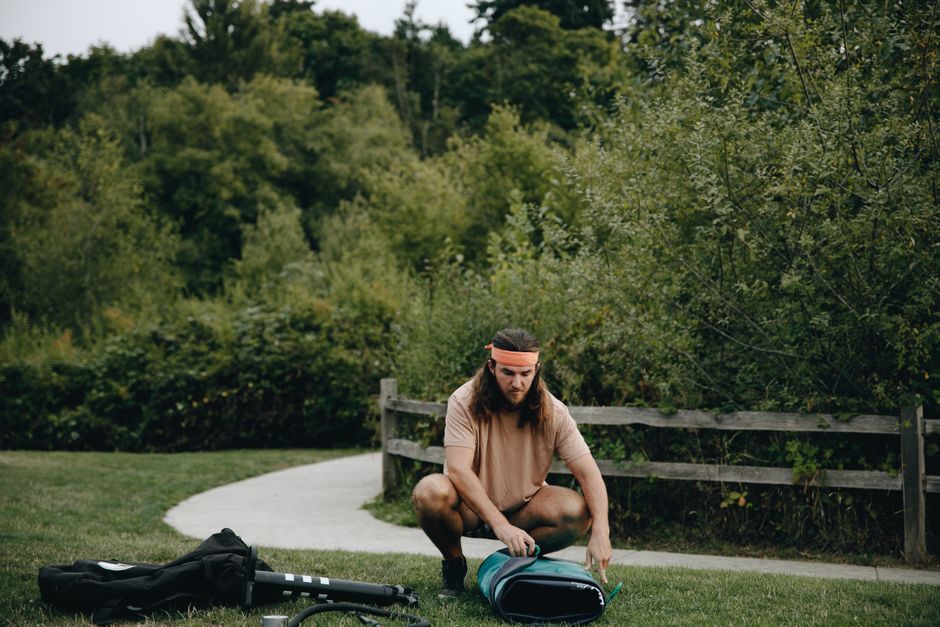
Before you try any alternative method, you need to know what you're dealing with. Inflatable paddle boards typically require between 12 and 18 PSI (pounds per square inch) for proper rigidity. Some high-performance racing boards go up to 20–25 PSI. Under-inflating leads to a sluggish, unstable ride; over-inflating can rupture seams or the drop-stitch core.
Two features matter most when inflating without a standard pump:
- The valve type: Most modern SUPs use a Halkey-Roberts-style valve. It has a central pin that must be depressed to let air in, and it seals automatically when released. You'll need an adapter that fits this valve.
- Volume: A typical 10'6" all-around board holds around 250–300 liters of air. That's a lot of volume to move, which is why small manual alternatives take significant effort.
Keep these numbers in mind: any method you choose must be able to push air into the board against rising internal pressure, and it must not exceed the board's maximum PSI rating.
Method 1: Use an Electric Air Pump or Tire Inflator
The most practical alternative is an electric pump. Many people already own a car tire inflator, a shop vacuum with a blower port, or a portable air compressor. With the right adapter, these can get your board most of the way to full pressure.
What You'll Need
- A 12V car tire inflator or portable air compressor
- A SUP valve adapter (often included in tire inflator kits or sold separately)
- A power source — car cigarette lighter, portable power station, or wall outlet
Step-by-Step
- Attach the SUP valve adapter to the inflator hose.
- Connect the adapter to the board's valve and press down firmly to lock it in place.
- Turn on the inflator and monitor the built-in pressure gauge if it has one.
- Stop at around 10–12 PSI. Most tire inflators are not designed for continuous high-pressure operation and can overheat.
- Top off the remaining pressure with a manual hand pump or a high-pressure electric SUP pump if available.
Warning: Never use a high-volume inflator that lacks a pressure gauge and shut-off. Without a gauge, you risk over-inflating and destroying the board. Also, avoid using compressed air from a gas station tire hose — those deliver air too quickly and are hard to control.
Method 2: Use a Vacuum Cleaner with a Blower Function
Many canister and shop vacuums can blow air as well as suck it. If yours has a blower port, it can serve as a makeshift high-volume pump to get the board started.
How to Do It
- Fit the vacuum's blower nozzle with a SUP valve adapter or a piece of flexible tubing that seals against the valve.
- Turn the vacuum on and let it fill the board. It will move a lot of air quickly but only at low pressure.
- Expect to reach only about 1–3 PSI. This is enough to give the board shape, but not enough to ride.
- Switch to a manual pump or electric inflator to finish the job.
This method is best used as a first stage to save your arms before you switch to a high-pressure solution. It's also handy for drying out the interior of the board after use.
Method 3: Manual Inflation with a Hand Pump Alternative
If you have no electric tools at all, you can still make progress with a few manual tricks. These are slower and more labor-intensive, but they work in a pinch.
Using a Bicycle Floor Pump
A bicycle floor pump with a Presta or Schrader adapter can sometimes connect to a SUP valve with the right adapter. The volume per stroke is small, so it will take hundreds of strokes to reach even 10 PSI. It's a last resort, but it's better than nothing.
Using a Bellows or Foot Pump
Foot pumps designed for air mattresses or inflatable boats can work if you can adapt the nozzle. Again, expect a slow process and low maximum pressure.
Using Your Lungs (Not Recommended)
You may be tempted to blow into the valve directly. Don't. Human breath contains moisture that can promote mold inside the board, and you can't generate anywhere near the pressure needed. It's also a quick way to feel dizzy and defeated.
Method 4: Improvised Adapters and Seals
The biggest challenge with any alternative method is achieving an airtight connection to the SUP valve. Here are some practical tips for making adapters work:
- Rubber tubing: A short length of flexible rubber or silicone tubing can bridge mismatched fittings. Push one end over the pump nozzle and press the other firmly against the valve opening.
- Tapered nozzles: Many inflator kits include a tapered nozzle that fits into the valve opening. Hold it firmly in place — it won't lock, so you'll need steady pressure.
- Electrical tape: Wrap tape around a slightly-too-small nozzle to build up the diameter until it seals.
- Valve adapters: Buy a dedicated SUP-to-Schrader/Presta adapter online for a few dollars. It's the most reliable solution and worth keeping in your gear bag.
Whatever you use, test the seal by listening for escaping air before you commit to inflating.
Step-by-Step: Inflating Your SUP Without a Standard Pump
Here's a consolidated workflow that combines the methods above for the best results:
- Lay out the board on a clean, flat surface. Unroll it fully and remove any sharp objects nearby.
- Check the valve. Make sure it's in the closed position (pin up) before you start, then press the pin to open it when you're ready to inflate.
- Stage one — high volume, low pressure: Use a vacuum blower or a high-volume inflator to fill the board to about 1–3 PSI. The board will take shape.
- Stage two — medium pressure: Switch to a tire inflator or electric pump and bring the board to 8–12 PSI. Watch the gauge closely.
- Stage three — final pressure: Use a hand pump if you have one, or carefully continue with the electric inflator until you reach the recommended PSI for your board (usually 12–15 PSI).
- Seal the valve. Once you hit target pressure, disconnect the hose and press the valve cap firmly into place.
- Check for leaks. Listen for hissing and feel around the seams. If you hear air escaping, reseat the valve cap or inspect for damage.
Pressure Guide: How Much Is Enough?
Use this table as a general reference. Always check your board's manual for the exact recommended pressure.
| Board Type | Recommended PSI | Notes |
|---|---|---|
| All-around recreational SUP | 12–15 PSI | Higher pressure improves rigidity and glide |
| Touring / racing SUP | 15–18 PSI | Needs maximum stiffness for speed |
| Yoga / fitness SUP | 12–15 PSI | Stability is key; avoid under-inflation |
| Kids' or budget SUP | 10–12 PSI | Lower pressure is acceptable for light use |
In hot weather, air expands. If you inflate to the maximum PSI on a cool morning, the pressure can rise dangerously by afternoon. Leave a little headroom — inflate to 1–2 PSI below the max in summer.
Safety Tips and Common Mistakes to Avoid
- Never exceed the maximum PSI. Over-inflation is the fastest way to ruin a board. Use a gauge you trust.
- Don't use high-pressure gas station air. It's uncontrollable and can blow seams instantly.
- Watch for overheating. Electric inflators not designed for continuous use can burn out. Let them cool between stages.
- Avoid moisture. If using a vacuum or breath, moisture can enter the board. Dry the interior afterward if possible.
- Don't leave the board inflated in direct sun for long periods, especially after inflating without a proper pump, since pressure may already be uneven.
- Carry a repair kit. Alternative inflation methods put more stress on the valve and seams, so be prepared for minor leaks.
Preventing the Problem Next Time
The best way to handle a missing pump is to never be without one. Keep a compact hand pump in your car, or invest in a portable electric SUP pump that runs off a 12V outlet or rechargeable battery. Many modern electric pumps are small enough to fit in a backpack and can inflate a board in under 10 minutes. Also, consider keeping a spare valve adapter and a patch kit in your board bag — they take up almost no space and can save a session.
If you paddle regularly, a dual-action hand pump with a built-in gauge is the gold standard for reliability. It never needs batteries and always works. Pair it with a small electric inflator for the bulk of the work, and you'll never be stranded again.
Final Thoughts
Inflating a paddle board without a pump is absolutely possible, but it requires the right tools, patience, and a healthy respect for your board's pressure limits. Electric tire inflators, vacuum blowers, and improvised adapters can all get you on the water — just be careful, monitor pressure constantly, and never sacrifice safety for convenience. With the methods in this guide, a missing pump won't ruin your day on the water.
Share your market, quantities and packaging idea — we reply with a sample plan and a timeline.