
 English
 简体中文
简体中文 Русский
 Español
 Deutsch
Water Ski vs Wakeboard: Key Differences Explained
Water ski vs wakeboard: compare stance, gear, speed, learning curve, and tricks. Find out which water sport suits you best and get started today.
Water Ski vs Wakeboard: Key Differences Explained
If you have ever stood on a dock watching boats carve across the lake, you have probably wondered about the difference between water skiing and wakeboarding. Both involve being towed behind a boat, both use a board or skis, and both deliver an adrenaline rush. Yet they are fundamentally different sports with distinct gear, techniques, learning curves, and riding styles. This guide breaks down the water ski vs wakeboard debate so you can choose the right path for your goals.
The Core Difference at a Glance
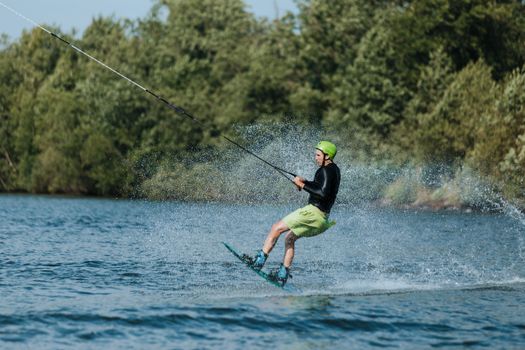
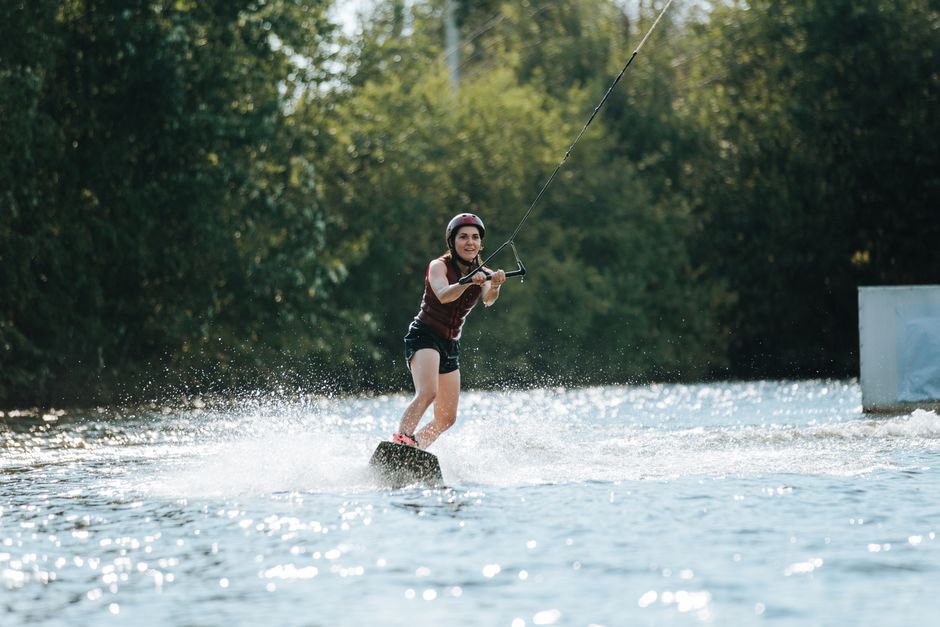
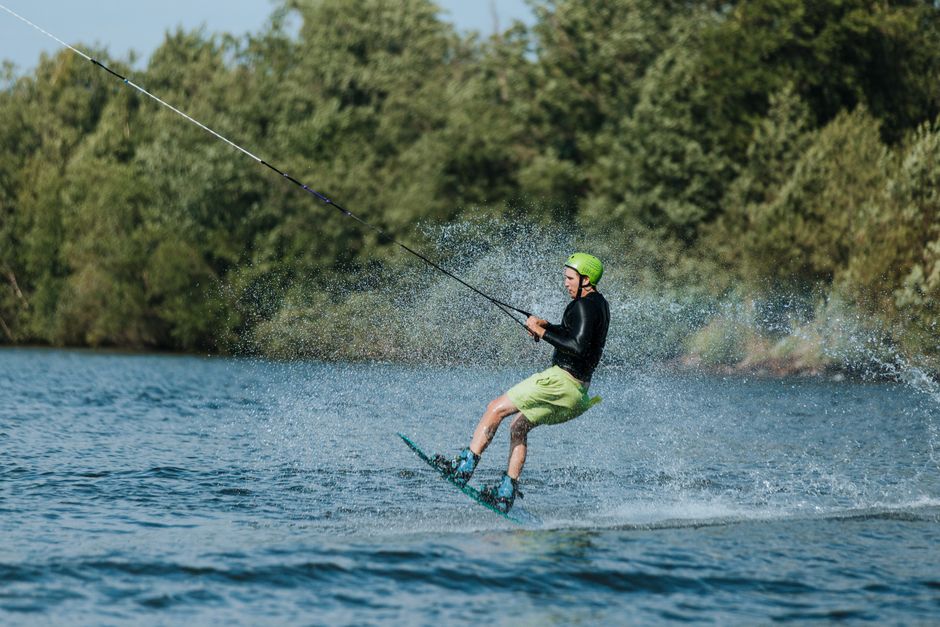
Water skiing uses two separate skis (or one slalom ski) and the rider faces forward with feet parallel to the boat's direction. Wakeboarding uses a single board with both feet locked into bindings, and the rider stands sideways, similar to a snowboarder. That single design difference shapes everything else: balance, speed, tricks, and the type of wake you need.
Comparison Table: Water Ski vs Wakeboard
| Feature | Water Ski | Wakeboard |
|---|---|---|
| Stance | Forward-facing, feet parallel | Sideways, feet locked in bindings |
| Gear | Two skis or one slalom ski, rope, handle | Single board, bindings, rope, handle |
| Typical boat speed | 26-36 mph (42-58 km/h) | 18-24 mph (29-39 km/h) |
| Learning curve | Moderate to steep, especially slalom | Gentler, easier deep-water starts |
| Wake preference | Flat, small wake | Large, rampy wake |
| Trick style | Spins, jumps, slalom turns | Inverts, spins, grabs, air tricks |
| Best for | Speed, precision, course skiing | Big air, freestyle, cable parks |
Gear and Setup Differences
Water Ski Equipment
- Skis: Combination pairs for beginners, slalom skis for advanced riders.
- Bindings: Usually adjustable rubber bindings that release on falls.
- Rope: Low-stretch rope, often 75 feet, with a single handle.
- Boat: Direct-drive inboards or outboards tuned for a flat wake.
Wakeboard Equipment
- Board: Typically 130-145 cm, with molded fins and rocker.
- Bindings: Closed-toe or open-toe boots that hold feet firmly.
- Rope: Non-stretch rope, often with a handle and sometimes a tower pylon.
- Boat: V-drive inboards with ballast and wake-shaping systems.
The rope and handle look similar, but the board setup is completely different. Wakeboard bindings are not designed to release, which is why falls feel different and why proper technique matters.
Learning Curve and Accessibility
Wakeboarding is generally easier to learn. The deep-water start is more forgiving because both feet are on one board, and the wider surface planes at lower speeds. Most beginners get up within a few attempts. Water skiing, by contrast, demands more balance and leg strength, especially on a slalom ski. Two-ski starts are manageable, but dropping a ski and carving turns takes practice.
If you want quick success and a fun first day, wakeboarding wins. If you enjoy precision and speed, water skiing rewards patience.
Speed, Wake, and Water Conditions
Water skiing thrives on flat water and higher speeds. A small wake is ideal because it reduces chop and lets you carve clean turns. Slalom courses are set on calm lakes for this reason.
Wakeboarding depends on a big, well-shaped wake. Riders use ballast, wake plates, and tower height to build a ramp for jumps and inverts. Choppy water is less of a problem, but a clean wake is essential for advanced tricks.
Trick Potential and Progression
Both sports offer deep trick progression, but they look different. Water skiers focus on slalom turns, jump ramps, and trick skiing with spins and flips. Wakeboarders focus on wake-to-wake jumps, grabs, spins, and inverts, often judged on style and amplitude.
Wakeboarding also has a strong cable park scene, where riders are pulled by overhead cables instead of boats. That makes the sport more accessible and affordable for regular practice.
Cost and Maintenance
Entry-level water ski sets can be cheaper than wakeboard packages, but high-end slalom skis and competition gear are expensive. Wakeboard costs add up with bindings, ropes, and boat ballast systems. Cable park passes offer a budget-friendly alternative for wakeboarders.
Which Should You Choose?
Choose water skiing if you love speed, precision, and the challenge of carving a perfect slalom turn. It suits riders who enjoy traditional lake sports and flat-water conditions.
Choose wakeboarding if you want easier starts, big air, and a freestyle community. It is the better pick for beginners, families, and anyone drawn to cable parks and trick progression.
Final Recommendation
For most new riders, start with wakeboarding. The learning curve is friendlier, the gear is versatile, and the trick potential keeps you motivated for years. If you later crave speed and technical precision, add a slalom ski to your quiver. Many riders enjoy both, and owning a versatile boat lets you switch between them in the same session.
Whichever you pick, prioritize safety: wear a properly fitted life jacket, use a spotter, and learn from an instructor. The best water sport is the one that keeps you on the water, improving every season.
Share your market, quantities and packaging idea — we reply with a sample plan and a timeline.