
 English
 简体中文
简体中文 Русский
 Español
 Deutsch
How to Store a Kayak Outdoors Safely: Complete Guide
Learn how to store a kayak outdoors safely with racks, covers, and UV protection. Follow our complete guide to prevent damage and extend your kayak‘s life.
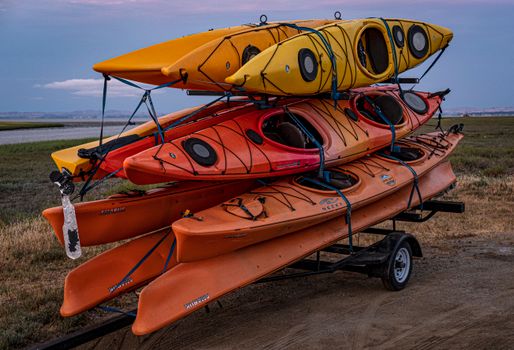
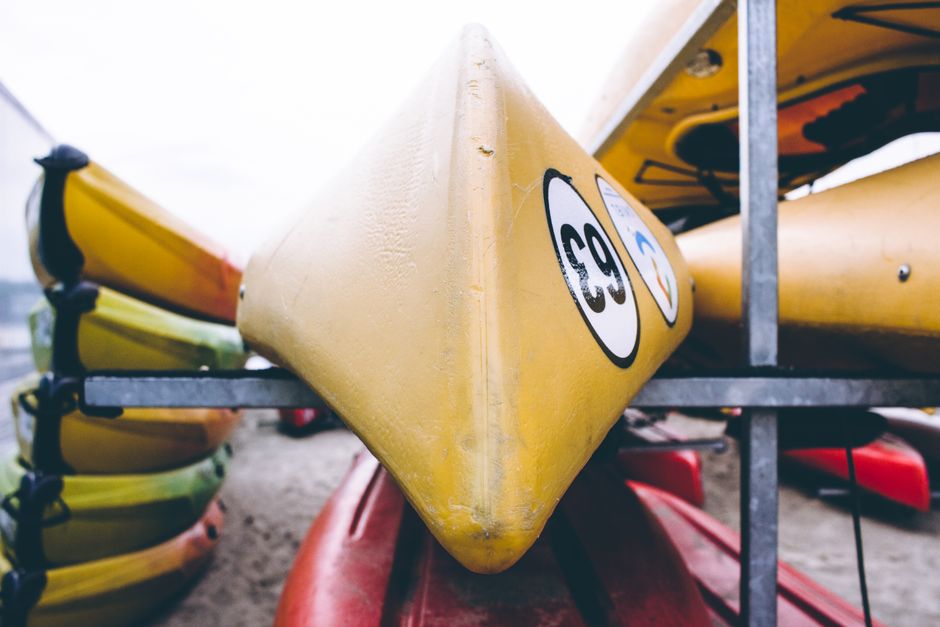
Why Outdoor Kayak Storage Matters
Kayaks are built to handle water, but that doesn't mean they can be left outside without a care. Ultraviolet (UV) radiation, rain, snow, temperature swings, pests, and wind can all take a toll on your boat over time. A kayak that is stored poorly can develop faded gelcoat, brittle plastic, cracked hatches, warped hulls, and even structural damage. The good news is that with the right techniques, you can safely store a kayak outdoors for years without sacrificing its performance or appearance.
This guide covers everything you need to know about outdoor kayak storage: choosing a location, the best rack and support systems, protective covers, seasonal tips, and common mistakes to avoid. Whether you paddle a heavy sit-on-top fishing kayak or a lightweight touring model, these practical strategies will help you protect your investment.
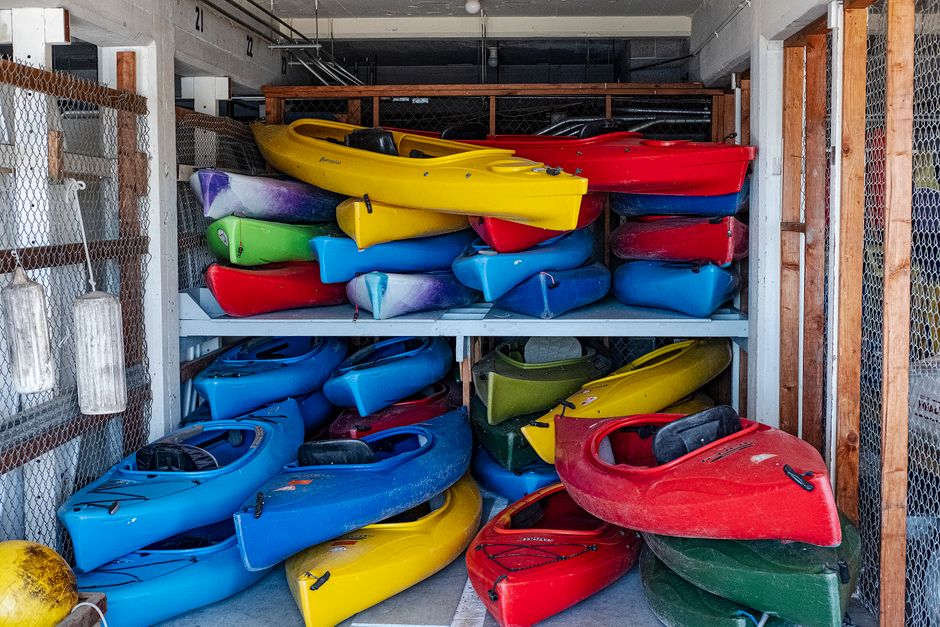
Understanding What Damages a Kayak Outdoors
Before you build or buy a storage solution, it helps to understand the enemies of a stored kayak.
UV Radiation
Sunlight is the single biggest threat to an outdoor kayak. UV rays break down the polymers in polyethylene hulls, causing fading, chalking, and brittleness. They also degrade gelcoat on fiberglass boats and weaken rubber hatch seals, bungee cords, and plastic fittings. A kayak stored in direct sun can show noticeable damage in just one or two seasons.
Moisture and Mold
Standing water inside the hull or cockpit encourages mold, mildew, and musty odors. Trapped moisture under a cover can be just as harmful as rain, especially in humid climates. Water that freezes inside hatches or scuppers can also expand and crack fittings.
Heat and Temperature Swings
Extreme heat can soften and warp plastic hulls, particularly if the kayak is resting on an uneven surface. Repeated freeze-thaw cycles stress seals, seams, and plastic components.
Wind and Physical Stress
A kayak left on the ground or leaning against a wall can be blown over, scratched, or bent. Long-term storage on its side without proper support can cause a phenomenon called "oil-canning," where the hull permanently deforms.
Pests and Debris
Rodents, insects, and birds may nest inside an uncovered kayak. Leaves, dirt, and pollen collect in cockpits and footwells, and can clog scupper holes or drain plugs.
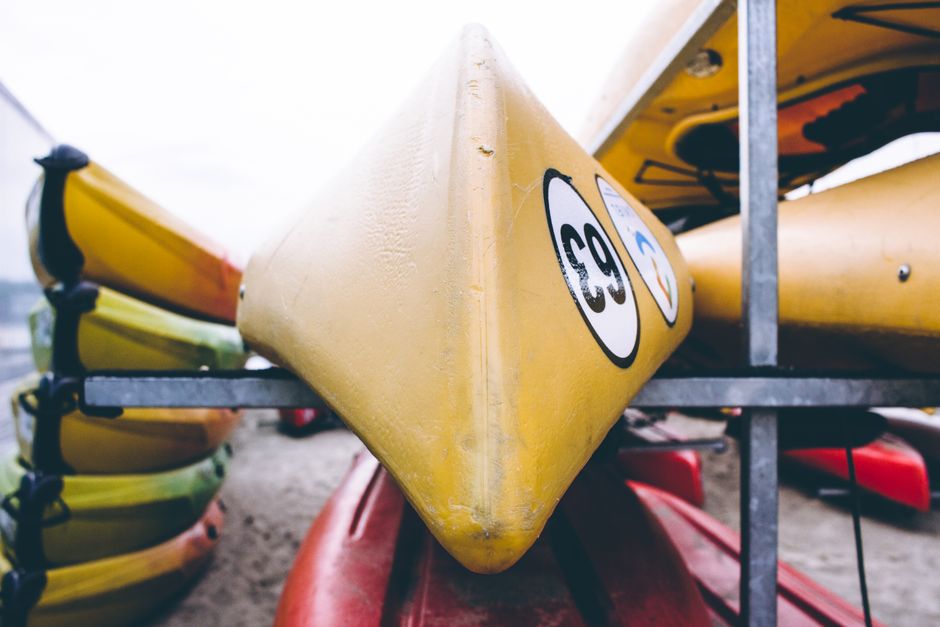
Choosing the Right Outdoor Storage Location
Where you store your kayak matters as much as how you store it. Aim for a spot that balances protection with practicality.
- Shade first: Under a deck, carport, or dense tree canopy is ideal. Even partial shade dramatically reduces UV damage.
- Elevated ground: Avoid low spots where water pools. A gravel pad, concrete slab, or wooden platform keeps the hull off damp soil.
- Away from falling debris: Don't park under trees that drop sap, branches, or heavy fruit. Sap is difficult to remove and branches can puncture a hull.
- Wind protection: The side of a building or a fence breaks gusts that could topple a kayak off a rack.
- Convenient access: If your kayak is hard to reach, you'll be less likely to use it. Choose a spot near your launch route or vehicle.
If you live in an apartment or have a small yard, a wall-mounted rack on a shaded exterior wall can work well. Just be sure to check local rules about storing equipment in shared or visible areas.
Best Kayak Racks and Support Systems for Outdoors
Never store a kayak directly on the ground or leaning against a wall for long periods. The right rack distributes weight evenly and keeps the hull off the surface.
Wall-Mounted Racks
Wall racks use two or more padded arms to hold the kayak on its side. They save space and keep the boat off the ground, which is great for small yards and garages. Choose racks with wide, padded cradles to avoid pressure points. Make sure the wall is structurally sound and the hardware is rated for your kayak's weight.
Freestanding Floor Racks
Freestanding racks are perfect when you don't have a suitable wall. Look for powder-coated steel or marine-grade aluminum frames that resist rust. Many models hold two to four kayaks and can be anchored to a patio or concrete pad.
Ceiling and Overhead Racks
If you have a covered patio or carport with sturdy beams, overhead pulley systems keep kayaks high and dry. They offer excellent protection from ground moisture and pests, but they require a solid ceiling and careful lifting technique.
J-Cradles and Saddle Racks
J-cradles hold a kayak on its side, while saddle racks support it hull-down. Saddle racks are generally better for long-term storage because they avoid pressure on the hull's side. Whichever you choose, pad all contact points and avoid metal-to-plastic contact.
| Rack Type | Best For | Key Advantage |
|---|---|---|
| Wall-mounted | Small yards, garages | Space-saving, off the ground |
| Freestanding | Open patios, no wall | Portable and sturdy |
| Overhead pulley | Covered carports | Maximum protection from pests |
| Saddle rack | Long-term storage | Even hull support |
Should You Store a Kayak Upside Down or Right Side Up?
This is one of the most common questions, and the answer depends on your kayak and your setup.
Storing a kayak upside down (hull up) is generally the best choice for outdoor storage. It prevents water, leaves, and debris from collecting in the cockpit, and it keeps the sun off the deck and hatch covers. The hull is usually the thickest, most UV-resistant part of the boat, so exposing it to the sun is less harmful than exposing the deck.
Storing right side up can work if you use a cockpit cover and a full kayak cover. It's often easier for sit-on-top kayaks with heavy accessories, but you must ensure water can't pool inside.
Avoid storing a kayak on its side for months at a time unless it's in a proper J-cradle with wide padding. Long-term side storage can flatten one side of a polyethylene hull, especially in hot weather.
Using Kayak Covers and UV Protection
A quality cover is one of the best investments for outdoor storage. It blocks UV rays, keeps out rain and debris, and discourages pests.
- Material: Look for solution-dyed polyester, marine-grade canvas, or UV-resistant polyethylene. Avoid cheap plastic tarps that trap moisture and break down quickly.
- Fit: A cover should be snug but not tight. Too loose and it flaps and collects water; too tight and it can abrade the hull.
- Ventilation: Choose a cover with vents or breathable fabric to prevent condensation and mold.
- Cockpit cover: For sit-inside kayaks, a cockpit cover seals the opening and keeps water and animals out.
If you can't use a full cover, at least apply a UV protectant spray designed for kayaks. Reapply it every few months, especially before summer. For fiberglass kayaks, a marine wax adds a protective layer against sun and water.
Step-by-Step: Preparing Your Kayak for Outdoor Storage
Proper preparation prevents most storage damage. Follow these steps at the end of each paddling season or before any long storage period.
- Clean thoroughly: Rinse the hull, deck, cockpit, and hatches with fresh water. Remove sand, salt, and organic matter.
- Dry completely: Wipe down all surfaces and let the kayak air-dry in the shade. Open hatches and drain plugs so moisture can escape.
- Treat and protect: Apply UV protectant or marine wax. Lubricate moving parts like rudder cables and foot braces with a marine-grade lubricant.
- Remove accessories: Take off paddles, seats, fishing rods, electronics, and anything else that could be damaged or stolen.
- Loosen straps: If you use straps, keep them snug but not crushing. Tight straps can dent a hull over time.
- Position on the rack: Place the kayak upside down or hull-down on padded supports. Ensure it's balanced and secure.
- Cover it: Add a breathable cover and secure it against wind.
- Check periodically: Inspect every few weeks for water, pests, or shifting.
Seasonal Outdoor Storage Tips
Summer Storage
Summer is the harshest season for UV exposure. Prioritize shade and covers. Avoid storing a kayak on hot asphalt or dark surfaces that radiate heat. If you must store in full sun, consider a reflective cover.
Winter Storage
Freezing temperatures can crack plastic and damage seals. Store the kayak off the ground to avoid snowmelt and ice. If possible, move it under cover or indoors during the coldest months. Never let water freeze inside the hull, as expansion can cause cracks.
Rainy and Humid Climates
In wet regions, ventilation is critical. Use a breathable cover, keep the kayak elevated, and check often for mold. Silica gel packets or a small dehumidifier inside a sealed cockpit can help in extreme humidity.
Common Outdoor Kayak Storage Mistakes to Avoid
- Leaving the kayak directly on grass or dirt, which invites moisture and pests.
- Using a tarp that traps condensation against the hull.
- Hanging a kayak by its carrying handles or deck lines, which can tear fittings.
- Storing on its side in direct sun for months, causing hull deformation.
- Forgetting to open drain plugs and hatches for airflow.
- Ignoring straps that are too tight or too loose.
- Skipping periodic inspections, allowing small problems to become big ones.
Frequently Asked Questions
Can I leave my kayak outside all year?
Yes, if you use a proper rack, a breathable cover, and UV protection. In extreme climates, moving it under cover or indoors during winter is safer.
Is it better to store a kayak upside down?
Generally yes. Upside-down storage keeps water and debris out of the cockpit and protects hatch covers from UV damage.
How often should I check a stored kayak?
Inspect it every two to four weeks, and after any major storm. Look for water, pests, cover damage, and shifting on the rack.
Do kayak covers cause mold?
Only if they trap moisture. Choose a breathable, ventilated cover and always store the kayak dry.
Final Thoughts
Storing a kayak outdoors safely comes down to three pillars: protect it from UV, keep it dry, and support it properly. With a shaded location, a sturdy padded rack, a breathable cover, and a simple maintenance routine, your kayak can stay in excellent condition season after season. Take a little time to set up your storage system correctly, and you'll spend less time repairing damage and more time enjoying the water.
Share your market, quantities and packaging idea — we reply with a sample plan and a timeline.