
 English
 简体中文
简体中文 Русский
 Español
 Deutsch

What Size Surfboard Should a Beginner Ride?
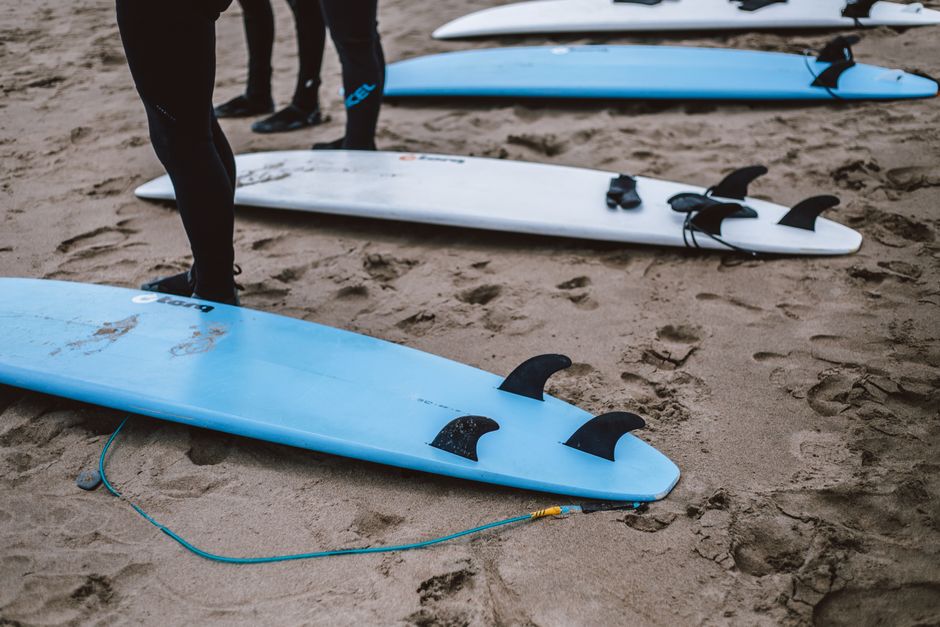
For most beginners, the ideal surfboard size is 8 to 9 feet long, 22 to 24 inches wide, and 2.5 to 3.5 inches thick. A board in this range offers plenty of volume, which translates to better floatation, easier paddling, and a more forgiving ride while you learn the basics. If you weigh under 130 pounds, you might get away with a 7'6" to 8'0" board; if you weigh over 180 pounds, lean toward 9'0" to 10'0".
The single biggest mistake new surfers make is buying a board that is too small. Shortboards look cool and pros make them look effortless, but they require strong paddling, precise timing, and quick pop-ups that beginners simply haven't developed yet. A larger board catches waves earlier, gives you more time to stand up, and lets you focus on technique instead of fighting the ocean.
Think of your first surfboard as a learning tool, not a forever board. You will likely outgrow it within 6 to 18 months, and that's exactly the point. Buy used, buy big, and buy with the goal of catching as many waves as possible in your first year.
Why Does Surfboard Volume Matter More Than Length?
Volume, measured in liters, is the true indicator of how much float a board provides. Length matters, but a long, narrow board can have less volume than a shorter, wider one. For beginners, aim for a volume roughly equal to your body weight in kilograms plus 30 to 40 liters. A 75 kg (165 lb) surfer, for example, should look for 105 to 115 liters.
Volume is distributed through length, width, and thickness. A beginner-friendly board is thick and wide, with a rounded nose and a wide tail. This shape creates stability from side to side, which is critical when you're wobbling to your feet for the first time. Low-volume boards sink under your chest, making paddling exhausting and standing up nearly impossible.
Many manufacturers now print volume on the board near the tail. If you can't find it, use an online volume calculator or ask a shop employee. Matching volume to your weight is the fastest shortcut to choosing the right beginner surfboard size.
What Board Type Is Best for Beginners?
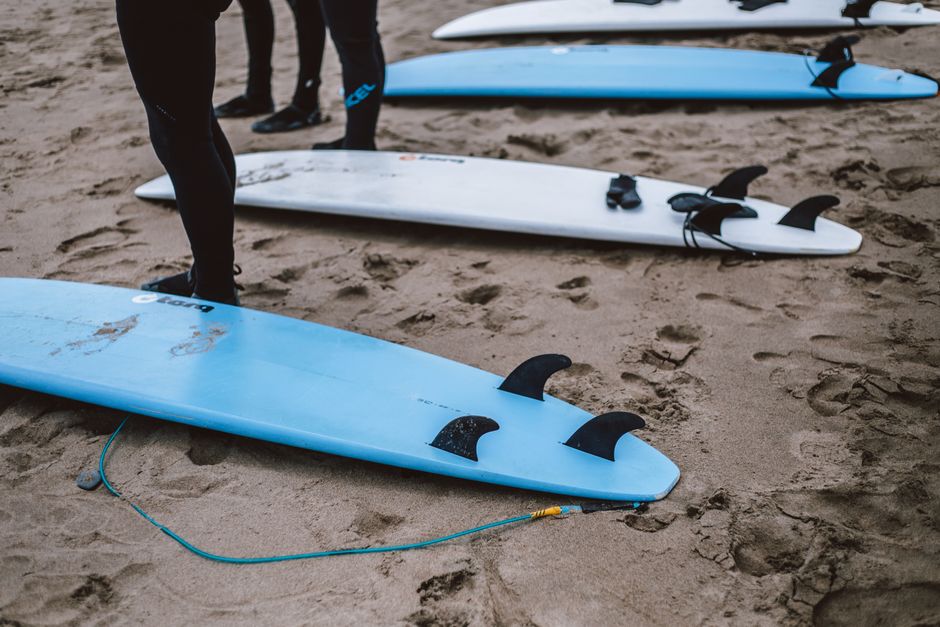
A soft-top foam board (often called a foamy) is the best choice for beginners. These boards are 8 to 9 feet long, incredibly buoyant, and safe if they hit you in the water. Brands like Catch Surf, Wave Bandit, and INT make excellent beginner foamies. They're also affordable, durable, and easy to resell once you progress.
If you prefer a hard board, look for a longboard or a mini-mal (mini malibu). A longboard of 9 to 10 feet is the classic learning platform, offering unmatched glide and stability. A mini-mal at 7'6" to 8'6" is a good middle ground for lighter surfers or those who want something slightly more maneuverable.
Avoid shortboards, fish, and performance hybrids for now. They are designed for speed and turns, not for learning. Also avoid epoxy pop-outs that are too narrow or too thin, even if they are long. Width and thickness matter as much as length.
How Do I Match Surfboard Size to My Weight and Height?
Weight is the primary factor; height matters less but still influences paddling comfort. Use the table below as a starting guideline for beginner foam or longboards.
| Body Weight | Recommended Length | Recommended Volume |
|---|---|---|
| Under 120 lb (54 kg) | 7'6" – 8'0" | 70 – 85 L |
| 120 – 160 lb (54 – 73 kg) | 8'0" – 8'6" | 85 – 100 L |
| 160 – 200 lb (73 – 91 kg) | 8'6" – 9'0" | 100 – 115 L |
| Over 200 lb (91 kg) | 9'0" – 10'0" | 115 – 140 L |
Taller surfers may want a slightly longer board for comfortable paddling, while shorter surfers can often size down by a few inches. If you're between sizes, always choose the bigger board. Extra volume helps you catch more waves, and catching waves is how you improve.
Can a Beginner Start on a Shortboard?
Technically yes, but it will slow your progress dramatically. Shortboards require you to paddle into steeper, faster waves, pop up in a fraction of a second, and generate your own speed. Beginners lack all three skills. Starting on a shortboard often leads to frustration, exhaustion, and quitting before the fun begins.
There are exceptions. If you are very athletic, surf daily with a coach, or come from another board sport like skateboarding or snowboarding, you might manage a slightly smaller board sooner. Even then, most coaches recommend at least a few months on a longboard or foamy first.
The smart path is to master the fundamentals on a big board, then gradually step down in size. A typical progression is 9'0" foamie, then 8'0" mini-mal, then 7'0" funboard, and finally a shortboard after a year or two of consistent surfing.
How Long Should a Beginner Surfboard Be for a Child or Teen?
Children and teens are lighter, so they can ride shorter boards than adults. A child weighing 60 to 90 pounds can start on a 6'6" to 7'6" foam board. Teens weighing 100 to 140 pounds should look at 7'0" to 8'0". The key is still volume relative to weight, not age.
Young surfers also benefit from soft-top boards because they are safer and more forgiving. Look for lightweight foamies with soft fins and a leash. Avoid hand-me-down hard boards that are too narrow or too thin, even if they are the right length.
For very small children, some schools start them on bodyboards or soft-top longboards with adult supervision. The goal is confidence and water comfort before standing up on a surfboard.
What About Width, Thickness, and Nose Shape?
Width is your stability. Beginner boards should be 22 to 24 inches wide. A wider board resists tipping side to side, which is exactly what you need while learning to balance. Narrow boards under 20 inches wide are for advanced surfers.
Thickness adds volume and float. Beginner boards are typically 2.75 to 3.5 inches thick. A thick board sits high on the water, paddles fast, and supports your weight without sinking. Nose shape also matters: a rounded, wide nose catches waves easily and prevents pearling (digging the nose in).
Tail shape is less critical for beginners, but a wide, rounded tail or squash tail provides more surface area and stability. Avoid sharp, narrow tails like pins or swallows until you are comfortable turning.
Should I Buy or Rent My First Surfboard?
Rent or borrow for your first few sessions. Rental boards are usually beginner-friendly foamies, and renting lets you test different sizes before committing. Many surf schools include board rental with lessons, which is the ideal way to start.
Once you can consistently stand up and ride white-water waves, buy a used foam board or longboard. Used boards cost 40 to 60 percent less than new ones and hold their value, so you can resell when you're ready to size down. Check for dings, delamination, and soft spots before buying.
Buying new is fine if you plan to keep the board for guests or family, but it's not necessary for learning. A well-maintained used board performs just as well as a new one for a beginner.
How Do I Know When to Size Down?
You're ready to size down when you can paddle into unbroken waves, stand up on most attempts, trim along the wave face, and turn left and right with control. This usually takes 6 to 12 months of regular surfing. At that point, dropping 6 to 12 inches in length and 10 to 15 liters in volume is a reasonable next step.
Don't rush it. Sizing down too early leads to fewer waves, more frustration, and bad habits like dragging your back foot or lying too far back. A good rule is to size down only when you feel bored or limited by your current board, not because you want to look more advanced.
Consider a funboard or mini-mal as your second board. These shapes bridge the gap between a longboard and a shortboard, offering manageable volume with more maneuverability. From there, you can move to a performance shortboard when your skills and fitness are ready.
Ask us anything about construction, materials, samples or shipping — we answer personally.