English
 简体中文
简体中文 Русский
 Español
 Deutsch
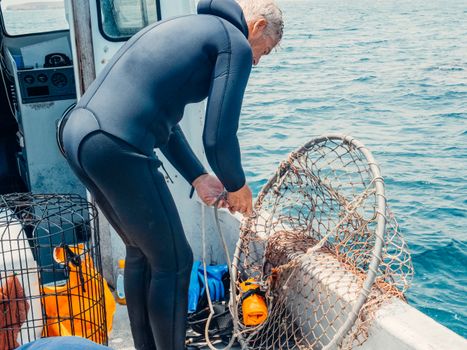
Stay safe on the water! Learn about 2025 fishing equipment recalls, how to check your gear, and what to do if your tackle is affected. Read our FAQ now.
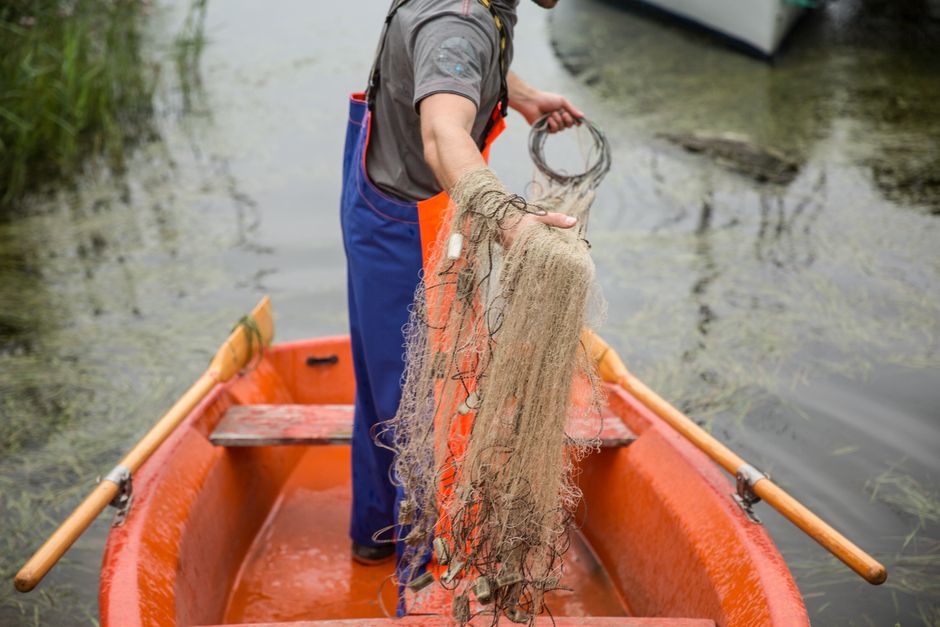
What Are Fishing Equipment Recalls and Why Do They Matter?
Fishing equipment recalls are official notices issued by manufacturers, importers, or government agencies such as the U.S. Consumer Product Safety Commission (CPSC) when a product is found to be defective, unsafe, or non-compliant with safety standards. These recalls can affect rods, reels, lures, hooks, waders, life jackets, fish finders, and even tackle boxes. The goal is to remove dangerous items from the market and prevent injuries or accidents.
For anglers, recalls matter because fishing gear is used in and around water, often in remote locations where a failure can be life-threatening. A faulty life jacket, a reel that snaps under load, or a wader that leaks in cold water can turn a fun trip into an emergency. Staying informed about 2025 recalls helps you protect yourself, your fishing buddies, and your family.
Recalls also matter financially. If you own a recalled product, you may be entitled to a free repair, replacement, or refund. Ignoring a recall means you could keep using a dangerous item or lose the chance to get it fixed at no cost. Checking recall lists is a quick, smart habit for every angler.
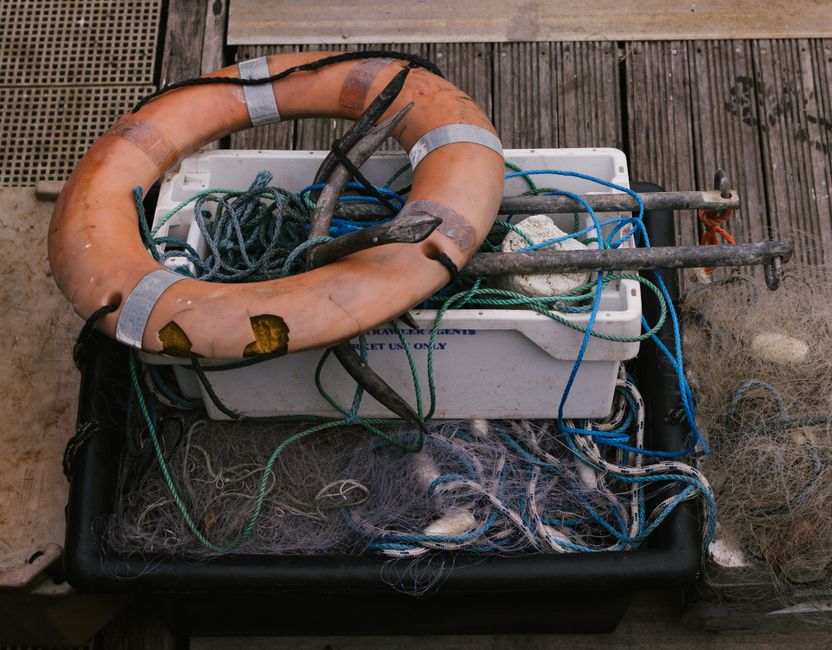
Which Fishing Products Were Recalled in 2025?
In 2025, recalls have touched nearly every category of fishing gear. Notable examples include certain models of inflatable life jackets with faulty inflation mechanisms, spinning reels with handles that can detach during use, and fishing rods with defective reel seats that crack under pressure. There have also been recalls of waders and wading boots due to chemical exposure or seam failures.
Other recalls involved lithium-ion batteries in fish finders and trolling motor accessories that could overheat and catch fire. Some lure kits were recalled because of excessive lead content or small parts that pose a choking hazard to children. Tackle boxes with sharp edges and defective latches have also been flagged.
Because recalls happen throughout the year, the best approach is to check the CPSC website, manufacturer websites, and trusted fishing news sources regularly. The table below summarizes common 2025 recall categories and the typical hazards involved.
| Product Type | Common Hazard | Typical Remedy |
|---|---|---|
| Inflatable life jackets | Failure to inflate | Free replacement |
| Spinning reels | Handle detachment | Repair kit or refund |
| Fishing rods | Reel seat cracking | Replacement rod |
| Waders | Leaks or chemical exposure | Refund or replacement |
| Fish finder batteries | Overheating, fire | Free battery replacement |
| Lure kits | Lead or choking hazard | Refund |
How Do I Know If My Fishing Gear Has Been Recalled?
The fastest way is to check the CPSC recall database at cpsc.gov/recalls. You can search by brand, product name, model number, or date. Manufacturers also post recall notices on their official websites and social media channels. If you bought gear from a major retailer, they often send email alerts to customers who purchased the affected item.
You can also register your products when you buy them. Many fishing brands offer product registration that lets them contact you directly if a recall occurs. Keep your receipts and product packaging, especially for high-value items like reels, fish finders, and life jackets. The model and serial numbers are usually printed on the product or its packaging.
Finally, follow fishing forums, YouTube channels, and newsletters that cover industry news. Recalls often spread quickly through the angling community, and a quick post or video can alert you before you head out on the water.
What Should I Do If My Fishing Equipment Is Recalled?
First, stop using the product immediately. Do not try to repair it yourself unless the recall notice specifically instructs you to do so. Follow the instructions in the recall notice, which usually tell you to contact the manufacturer, visit a recall website, or return the product to the place of purchase.
Next, gather your proof of purchase, model number, and any photos the manufacturer requests. Most recalls offer a free repair, replacement, or refund. Some companies provide prepaid shipping labels or ask you to take the item to a participating retailer. Keep a record of your claim, including dates and confirmation numbers.
If you are unsure whether your product is affected, contact the manufacturer's customer service directly. They can confirm whether your specific model and batch are part of the recall. Never ignore a recall notice—your safety and the safety of others depend on it.
Are Recalled Fishing Products Dangerous Even If They Look Fine?
Yes. Many defects are not visible to the naked eye. A life jacket may look perfect but have an internal inflation mechanism that fails when needed. A reel handle may seem secure until it suddenly detaches while fighting a large fish. A battery may appear normal until it overheats during charging.
Recalls are issued based on testing, incident reports, or injury data, not on how the product looks. Even if your gear has worked well so far, the risk of failure can increase over time or under specific conditions such as cold water, heavy load, or saltwater exposure. Using recalled gear is a gamble you should not take.
If a recall is active, the safest choice is to stop using the item and follow the remedy process. In many cases, the manufacturer will replace the defective part or product with an improved version, so you end up with safer gear.
How Can I Prevent Buying Recalled Fishing Equipment in the Future?
Before buying, research the brand and product online. Look for recent recall history, customer reviews, and safety certifications. Buy from reputable retailers and authorized dealers rather than unknown third-party sellers, especially for safety-critical items like life jackets and personal flotation devices (PFDs).
Check that the product meets relevant safety standards, such as USCG approval for life jackets or UL certification for electronics. Register your purchase with the manufacturer so you receive recall alerts. Avoid buying used safety gear unless you can verify its recall status and condition.
Finally, stay engaged with the fishing community. Recalls are often discussed on forums, social media, and at tackle shops. A few minutes of research before you buy can save you money and keep you safe on the water.
What Are the Most Common Defects in Fishing Gear Recalls?
The most common defects include mechanical failures (broken handles, cracked reel seats, faulty drag systems), electrical hazards (overheating batteries, short circuits, fire risks), and chemical hazards (excessive lead, phthalates, or other toxic substances). Safety gear like life jackets may have inflation or buoyancy failures.
Other frequent issues are choking hazards from small parts, sharp edges on tackle boxes, and inadequate warnings or instructions. In 2025, battery-related recalls have been particularly prominent due to the growing use of lithium-ion power in fish finders, trolling motors, and rechargeable accessories.
Understanding these common defects helps you inspect your gear more carefully and recognize potential problems before they cause an accident. If you notice unusual heat, strange smells, cracks, or loose parts, stop using the product and check for recalls.
Do Recalls Apply to Fishing Gear Bought Online or Secondhand?
Yes. Recalls apply to products regardless of where they were purchased, including online marketplaces, auction sites, and secondhand sales. If a product is recalled, the remedy is typically available even if you did not buy it directly from the manufacturer, though you may need to provide proof of purchase or the product itself.
However, secondhand buyers may face challenges, such as missing receipts or altered products. In some cases, the manufacturer may still honor the recall if you can show the product is affected. It is always worth contacting the company to ask.
To protect yourself, avoid buying used safety equipment unless you have verified its recall status. For electronics and batteries, check for signs of wear, swelling, or damage. When in doubt, choose new gear from a trusted source.
Where Can I Find Reliable Updates on Fishing Equipment Recalls in 2025?
The most reliable sources are the CPSC website (cpsc.gov), the manufacturer's official recall page, and government agencies in other countries such as Health Canada or the EU's Safety Gate. These sites provide official recall notices, photos, model numbers, and instructions.
You can also subscribe to recall alerts from consumer safety organizations and follow major fishing brands on social media. Many fishing magazines, websites, and podcasts cover recalls as part of their news coverage. Setting up a Google Alert for your favorite brands can also help.
Make it a habit to check these sources at the start of each fishing season and after buying new gear. A few minutes of checking can prevent serious injuries and keep your focus on catching fish, not dealing with defective equipment.
Share your market, target species and estimated quantities — we reply with a sampling plan and a quotation.