English
 简体中文
简体中文 Русский
 Español
 Deutsch
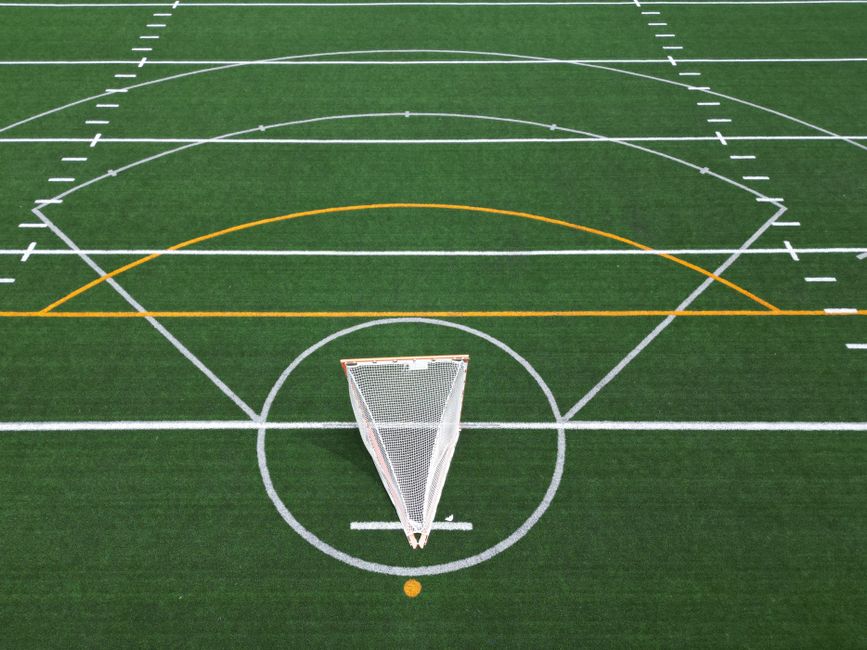
Artificial Turf Market Growth Statistics Revealed
The artificial turf industry has evolved from a niche landscaping alternative into a multi-billion-dollar global market. What was once dismissed as a plastic substitute for natural grass is now a sophisticated, technologically advanced product used in sports stadiums, residential lawns, commercial spaces, and even airports. In this comprehensive guide, we reveal the most important artificial turf market growth statistics and explain what they mean for manufacturers, installers, and consumers.
Whether you are a business owner considering entering the synthetic grass market or a homeowner curious about industry trends, understanding these numbers will help you make smarter decisions. Let's dig into the data.
Global Artificial Turf Market Size and Projections
According to multiple market research reports, the global artificial turf market was valued at approximately USD 5.5 billion in 2023. Projections indicate it will reach USD 9.8 billion by 2030, growing at a compound annual growth rate (CAGR) of around 8.5% to 9.2% during the forecast period.
This growth is not uniform across regions. North America currently holds the largest market share, accounting for nearly 38% of global revenue, driven by high demand in the United States for residential landscaping and sports facilities. Europe follows with about 28%, while the Asia-Pacific region is the fastest-growing market, with a CAGR exceeding 11%.
| Region | Market Share (2023) | Projected CAGR (2024-2030) |
|---|---|---|
| North America | 38% | 8.1% |
| Europe | 28% | 7.5% |
| Asia-Pacific | 22% | 11.3% |
| Latin America | 7% | 9.0% |
| Middle East & Africa | 5% | 8.8% |
Key Drivers Behind the Artificial Turf Boom
Several factors are fueling this rapid expansion. Understanding these drivers helps industry players align their strategies with market demand.
1. Water Scarcity and Drought Conditions
In regions like California, Texas, and the Middle East, water restrictions have made natural grass lawns increasingly impractical. A typical natural lawn requires 50 to 75 gallons of water per square foot per year. Artificial turf eliminates that need entirely, saving homeowners and municipalities millions of gallons annually. This environmental pressure is one of the strongest growth catalysts.
2. Sports Infrastructure Development
Professional and amateur sports leagues are investing heavily in synthetic fields. FIFA, NFL, and NCAA programs have increasingly adopted artificial turf because it offers consistent playing conditions, durability, and lower maintenance costs. The global sports turf segment alone is expected to exceed USD 3.2 billion by 2027.
3. Advancements in Material Technology
Modern artificial turf is not the abrasive, hot plastic of the 1980s. Today's products feature softer polyethylene fibers, infill systems that reduce heat retention, and eco-friendly backing made from recycled materials. These innovations have expanded the addressable market to include pet owners, families with young children, and luxury commercial properties.
4. Urbanization and Space Optimization
As cities become denser, outdoor space becomes a premium. Artificial turf allows rooftops, balconies, and small courtyards to function as green areas without the weight and maintenance requirements of natural grass. Urban landscaping projects now account for nearly 15% of all artificial turf installations globally.
Segment-by-Segment Growth Statistics
The artificial turf market is not monolithic. Different segments are growing at different rates.
- Residential landscaping: The largest segment by volume, representing about 45% of total demand. Growth is steady at 7-8% annually.
- Sports fields: The highest-value segment, with growth driven by new stadium construction and field replacements. CAGR of 9-10%.
- Commercial and public spaces: Includes airports, shopping centers, and parks. Fastest-growing at 12% CAGR, albeit from a smaller base.
- Pet turf: A niche but rapidly expanding sub-segment, growing at over 14% annually as pet owners seek easy-clean solutions.
Installation and Maintenance Cost Trends
Cost remains a critical factor in adoption. The average installed cost of artificial turf ranges from $5 to $20 per square foot, depending on material quality, infill type, and labor. While this is higher than seeding a natural lawn, the long-term savings are substantial.
Over a 15-year period, artificial turf can save a homeowner $5,000 to $15,000 in water, fertilizer, mowing, and pest control costs. This economic argument is becoming more persuasive as water prices rise and labor costs for landscaping increase.
| Cost Factor | Natural Grass (15 years) | Artificial Turf (15 years) |
|---|---|---|
| Installation | $1,500 | $8,000 |
| Water | $4,500 | $0 |
| Mowing & Maintenance | $6,000 | $1,500 |
| Fertilizer & Chemicals | $2,000 | $0 |
| Total | $14,000 | $9,500 |
Environmental Impact and Sustainability Statistics
Critics often point to the plastic composition of artificial turf. However, the industry is making significant strides in sustainability.
- Over 60% of new artificial turf products now contain recycled materials in their backing or infill.
- Water savings from artificial turf in the U.S. alone are estimated at over 100 billion gallons per year.
- New bio-based infills, such as cork and coconut husk, are gaining traction, reducing microplastic concerns.
- Recycling programs for end-of-life turf are expanding, with Europe leading the way at a 35% recycling rate.
These statistics matter because they address the primary objection to artificial turf adoption. As sustainability improves, the market will unlock new customer segments, particularly environmentally conscious consumers and green building projects.
Regional Hotspots and Emerging Markets
While North America and Europe dominate, several emerging markets are worth watching.
Asia-Pacific
China, India, and Southeast Asian nations are investing heavily in sports infrastructure and smart city projects. The region's artificial turf market is expected to triple in size by 2030. Local manufacturers are also emerging, increasing competition and driving down prices.
Middle East
Extreme heat and water scarcity make artificial turf a natural fit. Countries like the UAE and Saudi Arabia are installing synthetic fields in schools, parks, and stadiums at a rapid pace. The market is projected to grow at 9.5% CAGR through 2030.
Latin America
Brazil and Mexico are leading adoption, driven by football culture and urban development. However, economic volatility remains a challenge for consistent growth.
Practical Tips for Industry Stakeholders
If you are involved in the artificial turf industry, here are actionable insights based on the growth statistics.
- Invest in R&D: Cooling technology and eco-friendly materials are the next competitive frontiers.
- Target the pet and play segments: These niches have higher margins and faster growth than standard landscaping.
- Offer financing options: High upfront costs are a barrier. Partner with lenders to make installations more accessible.
- Leverage water-saving messaging: In drought-prone regions, this is your strongest sales argument.
- Build recycling partnerships: As regulations tighten, offering end-of-life solutions will become a differentiator.
Challenges That Could Slow Growth
No market grows in a straight line. The artificial turf industry faces several headwinds.
- Regulatory scrutiny: Some municipalities have banned artificial turf due to environmental concerns, particularly in Europe.
- Raw material price volatility: Polyethylene and polypropylene prices fluctuate with oil markets, impacting margins.
- Competition from low-cost imports: Asian manufacturers are pressuring Western producers on price.
- Consumer education gap: Many buyers still believe artificial turf is hot, hard, and unsafe. Industry-wide education is needed.
Despite these challenges, the overall trajectory remains strongly positive. The market has proven resilient through economic cycles, and innovation continues to expand its applications.
Future Outlook: What the Next Decade Holds
By 2035, the artificial turf market is expected to surpass USD 15 billion. Key trends to watch include:
- Smart turf: Embedded sensors for performance monitoring in sports fields.
- Hybrid systems: Combining natural grass with synthetic reinforcement for durability and aesthetics.
- Circular economy models: Fully recyclable turf products that eliminate landfill waste.
- Integration with solar and green infrastructure: Turf as part of sustainable urban design.
The artificial turf industry is no longer a novelty. It is a mature, growing, and increasingly sophisticated global market. The statistics reveal a sector that is adapting to environmental realities, technological possibilities, and changing consumer preferences. For businesses and consumers alike, the message is clear: artificial turf is here to stay, and its best years are ahead.
Final Thoughts
Understanding artificial turf market growth statistics is essential for anyone looking to invest, innovate, or simply make an informed purchase. From water savings to sports infrastructure to sustainability breakthroughs, the numbers tell a compelling story of an industry on the rise. Keep an eye on the trends outlined in this guide, and you will be well-positioned to capitalize on the opportunities ahead.