English
 简体中文
简体中文 Русский
 Español
 Deutsch
How Long Does Artificial Turf Last?
Artificial turf has become a popular choice for homeowners, businesses, and sports facilities due to its low maintenance and durability. But one of the most common questions is: how long does it actually last? The answer depends on several factors, including quality, usage, and maintenance. In this FAQ, we'll answer your top questions about the lifespan of artificial turf.
What is the average lifespan of artificial turf?
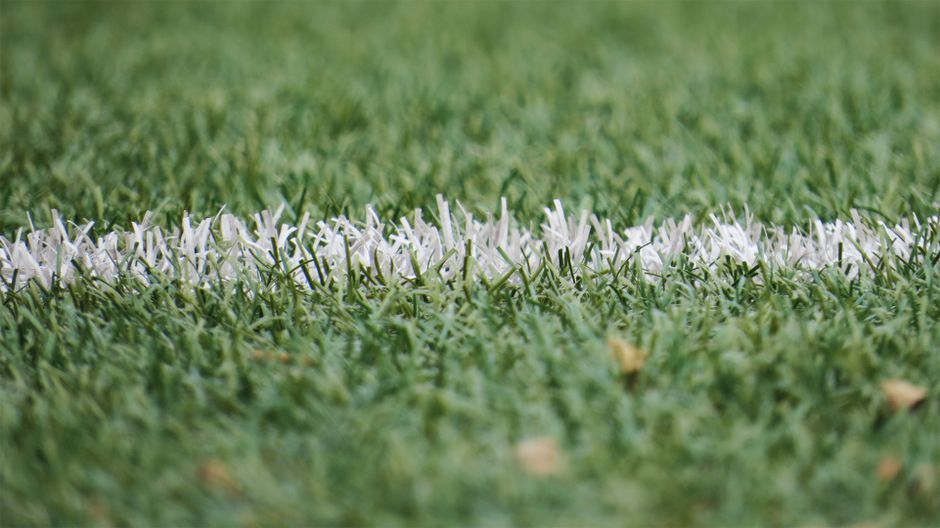
On average, artificial turf lasts between 15 and 25 years. However, this can vary significantly based on the type of turf, how it's used, and how well it's maintained. High-quality turf installed in a residential backyard with moderate use can easily last 20 years or more. In contrast, a heavily used sports field might need replacement after 8 to 10 years.
It's important to note that not all artificial turf is created equal. Cheaper options may wear out faster, while premium products with advanced fibers and backing systems can exceed the 25-year mark. Always check the manufacturer's warranty, which often gives a good indication of expected lifespan.
What factors affect how long artificial turf lasts?
Several key factors influence the longevity of artificial turf:
- Quality of materials: Higher-quality fibers, infill, and backing last longer.
- Usage: High foot traffic, sports activities, and pet use can accelerate wear.
- Installation: Proper base preparation and installation are crucial for durability.
- Maintenance: Regular cleaning, brushing, and debris removal extend lifespan.
- Climate: Extreme temperatures, heavy rain, and intense UV exposure can degrade turf faster.
By choosing a reputable installer and following a maintenance schedule, you can maximize the life of your artificial turf.
Does artificial turf last longer than natural grass?
Yes, artificial turf generally outlasts natural grass. While a well-maintained natural lawn can last indefinitely with proper care, it requires constant watering, mowing, fertilizing, and pest control. Artificial turf, on the other hand, requires minimal upkeep and maintains its appearance year-round. However, natural grass can recover from damage, whereas artificial turf may need patching or replacement if severely damaged.
In terms of lifespan, natural grass doesn't have a fixed lifespan—it's a living plant that can regenerate. Artificial turf has a finite lifespan, typically 15-25 years, after which it may become worn, matted, or faded. So while artificial turf lasts longer without intensive maintenance, it will eventually need replacement.
How does usage affect the lifespan of artificial turf?
Usage is one of the biggest factors. A residential lawn used by a family and pets might see 15-20 years of life. A commercial playground or sports field with constant use may only last 8-12 years. Heavy equipment, cleats, and repetitive motions can cause fibers to break and infill to compact.
To mitigate wear, consider installing turf with higher durability ratings for high-traffic areas. Also, rotating play areas and using protective measures like mats under swings can help distribute wear evenly.
Can artificial turf be repaired or does it need full replacement?
Minor damage can often be repaired. For example, if a section is burned or torn, you can cut out the damaged area and patch it with new turf. Faded areas can sometimes be re-colored with turf dyes. However, if the turf is extensively worn, matted, or the backing is deteriorating, full replacement is usually more cost-effective.
Regular inspections can catch small issues early, saving you money on major repairs. Many installers offer repair services, so consult a professional if you notice significant wear.
How does climate impact the lifespan of artificial turf?
Climate plays a significant role. In hot, sunny regions, UV radiation can cause colors to fade and fibers to become brittle. In areas with heavy snowfall, the weight of snow and ice can crush fibers, and freezing temperatures can make the turf more susceptible to damage. High humidity can promote mold and mildew if drainage is poor.
Modern artificial turf is often treated with UV inhibitors and antimicrobial agents to combat these issues. If you live in an extreme climate, choose turf designed for your conditions and ensure proper drainage to prevent water damage.
What maintenance is required to maximize lifespan?
Regular maintenance is key to extending the life of artificial turf. Here's a simple routine:
- Rinse and clean: Use a hose to remove dust, pollen, and pet waste. For deeper cleaning, use a mild detergent and a soft brush.
- Brush: Periodically brush the turf to lift matted fibers and redistribute infill.
- Remove debris: Keep leaves, twigs, and other debris off the turf to prevent drainage issues.
- Inspect: Check for loose seams, tears, or drainage problems and address them promptly.
Following these steps can add years to your turf's life.
When should I replace my artificial turf?
Signs that it's time to replace your artificial turf include:
- Visible wear patterns or matted areas that don't recover with brushing.
- Fading that can't be fixed with dye.
- Frequent drainage problems or pooling water.
- Loose seams or tears that are beyond repair.
- Persistent odors from pets or mildew.
If you notice these issues, consult a professional. They can assess whether repair is possible or if replacement is the better option. Typically, after 15-20 years, replacement becomes necessary.
How can I make my artificial turf last longer?
To extend the life of your artificial turf, start with high-quality materials and professional installation. Then, follow a consistent maintenance routine. Avoid placing heavy objects on the turf for extended periods, and use a broom or leaf blower instead of a rake to clean debris. For pet owners, train pets to use a designated area and clean up waste immediately.
Additionally, consider installing a shade structure if your turf is in constant direct sunlight, as UV rays are a major cause of degradation. By taking these steps, you can enjoy your artificial turf for decades.
Conclusion
The lifespan of artificial turf varies, but with proper care, you can expect it to last 15-25 years. By understanding the factors that affect durability and following maintenance best practices, you can maximize your investment. If you have more questions, consult a professional artificial turf installer for personalized advice.