English
 简体中文
简体中文 Русский
 Español
 Deutsch
Introduction: Are They Really Different?
If you're shopping for a low-maintenance lawn, you've likely encountered the terms synthetic turf and artificial grass. Many people use them interchangeably, but in the artificial turf industry, these terms can refer to distinct products with different materials, manufacturing processes, and intended uses. Understanding the differences is crucial to choosing the right surface for your home, business, or sports facility. This article breaks down the key distinctions, compares features in easy-to-read tables, and gives you a clear recommendation.
What Is Synthetic Turf?
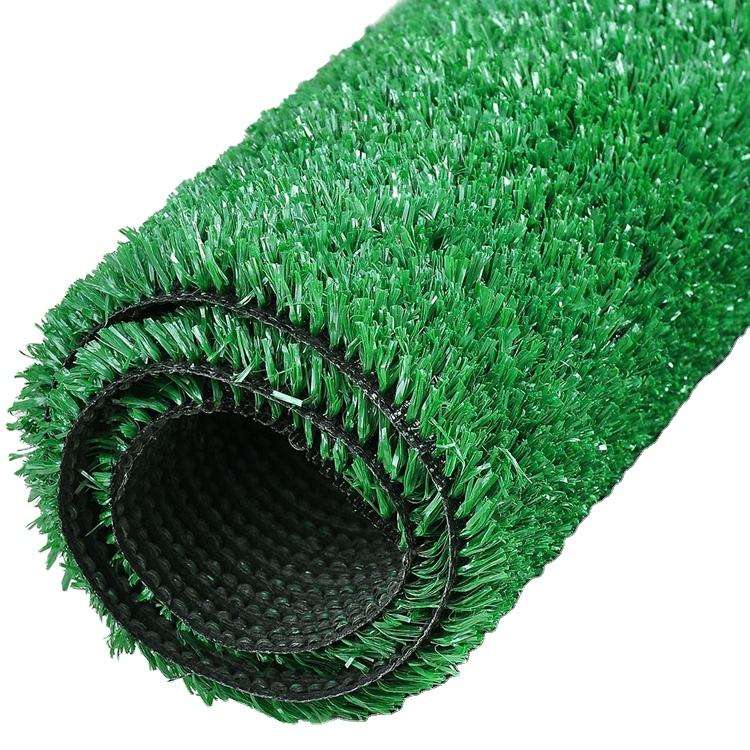
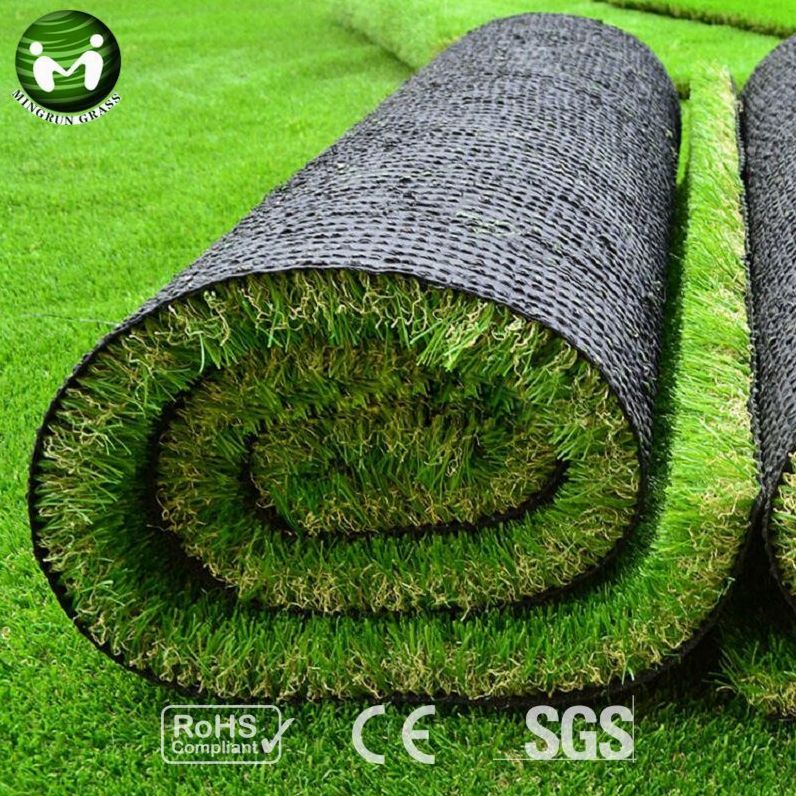
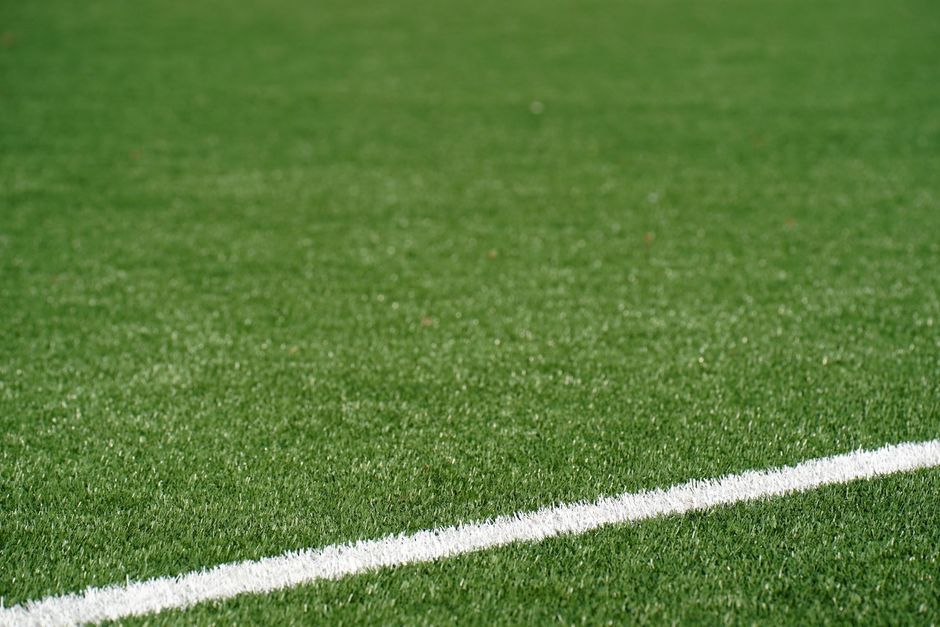
Synthetic turf generally refers to a broader category of man-made surfaces designed to mimic natural grass. It encompasses products used for sports fields, playgrounds, and landscaping. Historically, synthetic turf was made from nylon and used primarily in athletic settings. Today, it often features polyethylene or polypropylene fibers with infill (like sand or rubber) to provide shock absorption and stability. The term "synthetic turf" is common in commercial and sports contexts, where performance and durability are paramount.
What Is Artificial Grass?
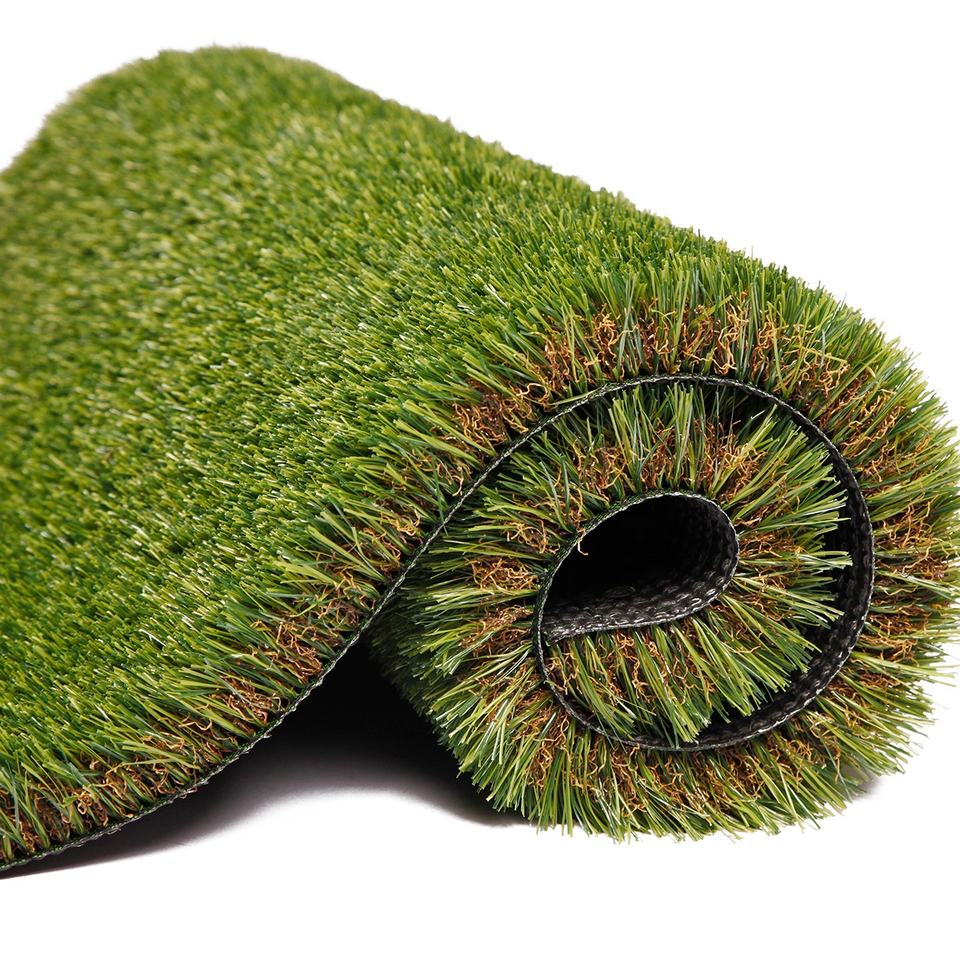
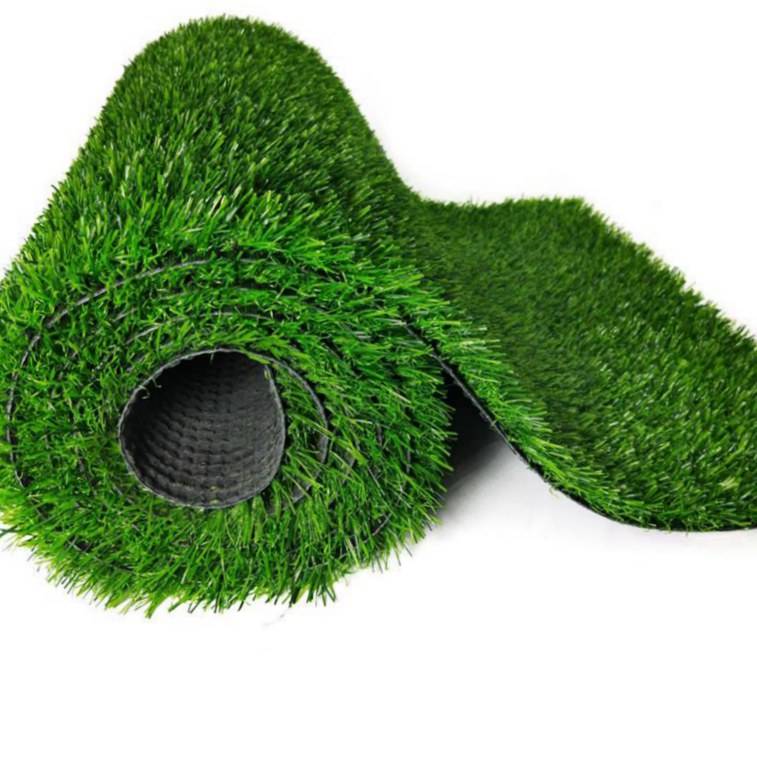
Artificial grass typically describes products designed for aesthetic and recreational purposes, often for residential lawns, pet areas, and commercial landscaping. While it shares materials with synthetic turf (polyethylene, polypropylene), artificial grass tends to have shorter, softer fibers and may come with a thatch layer for a more natural look. It usually requires less infill or none at all, making it easier to install and maintain for homeowners. In essence, all artificial grass is synthetic turf, but not all synthetic turf is artificial grass—the latter is a subset focused on visual appeal and comfort.
Key Differences at a Glance
To clarify the distinctions, here's a side-by-side comparison of the most important factors.
| Feature | Synthetic Turf | Artificial Grass |
|---|---|---|
| Primary Use | Sports fields, playgrounds, high-traffic areas | Residential lawns, landscaping, pet areas |
| Fiber Height | Taller (1.5–2.5 inches), designed for performance | Shorter (0.8–1.5 inches), designed for realism |
| Infill | Requires infill (sand, rubber, or organic) for stability | Often no infill or minimal infill |
| Durability | Extremely durable, withstands heavy foot traffic | Durable, but less resistant to intense sports use |
| Installation | Complex, professional installation recommended | Simpler, can be DIY-friendly |
| Cost | Higher upfront cost ($5–$15 per sq ft installed) | Lower upfront cost ($3–$10 per sq ft installed) |
| Maintenance | Regular brushing, infill replenishment, cleaning | Occasional rinsing, brushing, no infill upkeep |
| Aesthetics | Functional, less emphasis on natural look | Highly realistic, soft, natural appearance |
| Lifespan | 8–15 years (varies with use) | 10–20 years (with proper care) |
Material and Manufacturing Differences
Both synthetic turf and artificial grass are made from synthetic fibers, but the composition and construction differ. Synthetic turf often uses polyethylene or polypropylene fibers that are extruded and tufted into a backing. The fibers are engineered to be resilient and may have a textured surface for better ball roll and player traction. Artificial grass, on the other hand, may use softer polyethylene fibers with a "thatch" layer of curled fibers to mimic the look of natural grass. The backing may also be more permeable to allow for drainage in residential settings.
Infill: A Major Distinguishing Factor
Infill is a critical differentiator. Synthetic turf for sports is typically infilled with silica sand, crumb rubber, or organic materials like cork. This infill supports the fibers, adds weight, and provides shock absorption. Artificial grass for landscaping often uses no infill or a light dressing of sand to keep fibers upright. This makes artificial grass less messy and easier to maintain for homeowners, but it may not offer the same level of performance for athletes.
Installation and Maintenance
Installing synthetic turf is a substantial project. It requires excavation, a compacted base, weed barrier, and precise seaming. For sports fields, drainage and shock pads are also necessary. Artificial grass installation is more straightforward: you can often install it over a prepared soil base or even on a patio with the right sub-base. Maintenance also differs. Synthetic turf needs regular brushing to prevent infill compaction and occasional disinfection. Artificial grass needs less frequent brushing and can be rinsed with a hose to remove debris.
Cost Comparison
Cost is a major consideration. Synthetic turf generally costs more due to the materials, infill, and installation complexity. Artificial grass is more affordable, especially for DIY installations. However, the long-term value depends on usage. For a high-traffic sports field, synthetic turf's durability may justify the higher price. For a residential lawn, artificial grass offers excellent value with lower upfront costs and minimal maintenance.
Which One Should You Choose?
Your choice depends on your specific needs:
- Choose synthetic turf if: You need a surface for sports, playgrounds, or heavy commercial use. You require shock absorption, durability, and performance. You're willing to invest in professional installation and maintenance.
- Choose artificial grass if: You want a beautiful, low-maintenance lawn for your home, pet area, or commercial landscaping. You prefer a softer, more natural look. You want a simpler, more affordable installation.
Recommendation
For most homeowners and landscapers, artificial grass is the better choice. It offers a realistic appearance, requires less maintenance, and comes at a lower cost. It's ideal for lawns, gardens, and pet areas. However, if you're outfitting a sports facility or playground, synthetic turf is the superior option due to its performance and durability. Ultimately, understanding the differences ensures you invest in the right product for your project.
Conclusion
Synthetic turf and artificial grass are not identical, even though they share similarities. Synthetic turf is a performance-driven surface for athletics and heavy use, while artificial grass is a landscaping solution focused on aesthetics and ease. By evaluating your needs, budget, and maintenance preferences, you can make an informed decision. Whether you're a homeowner or a facility manager, the right choice will provide years of enjoyment and functionality.