
 English
 简体中文
简体中文 Русский
 Español
 Deutsch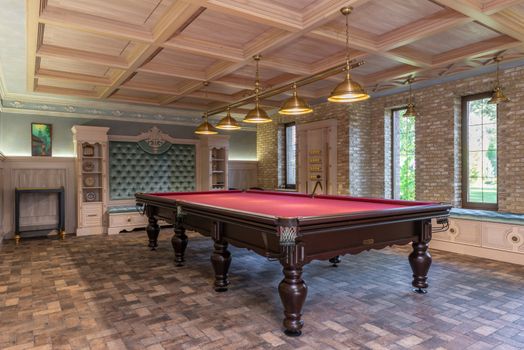
Learn how to replace snooker table cushions like a pro. Signs of wear, materials, tools, step-by-step guide, and costs. Restore your table‘s bounce today!
Why Snooker Table Cushion Replacement Matters
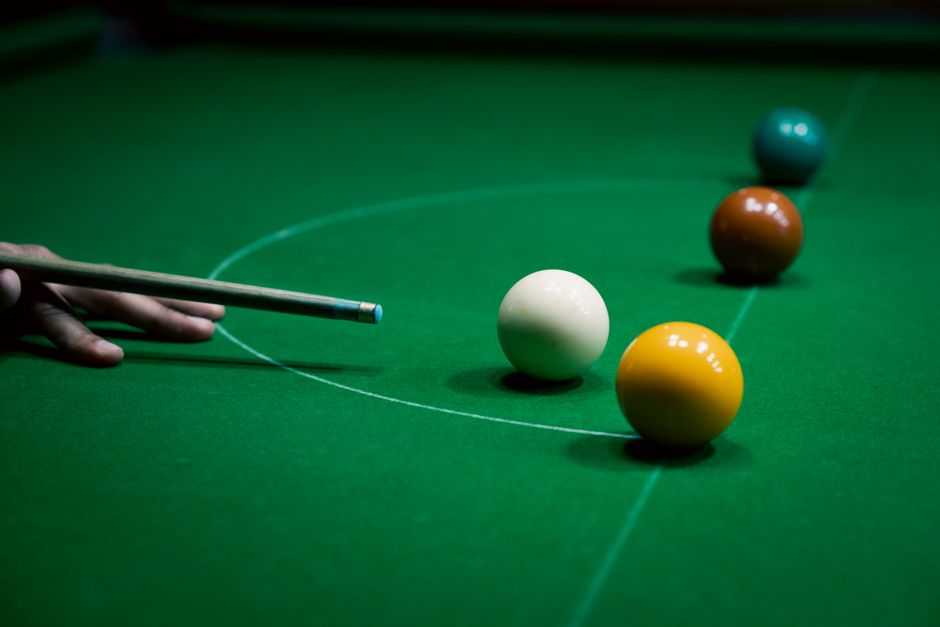
The cushions on a snooker table are far more than decorative rubber edges. They control rebound speed, ball trajectory, and the overall consistency of every shot you play. When cushions age, harden, or lose their elasticity, even the most accurate player will struggle to predict where the cue ball will end up. Replacing worn cushions is one of the most impactful maintenance tasks you can perform on a snooker table, and it directly affects the quality of both casual games and competitive play.
In this complete guide, we'll walk through everything you need to know about snooker table cushion replacement: how to recognize the signs of wear, which materials to choose, the tools required, a step-by-step replacement process, cost expectations, and tips for extending the life of your new cushions.
Signs Your Snooker Table Cushions Need Replacing
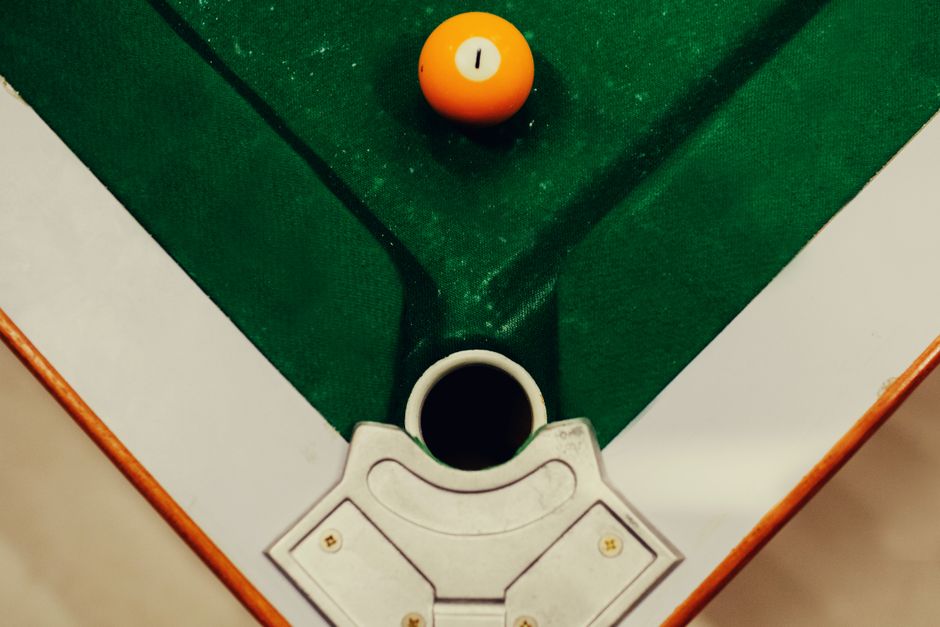
Cushions don't fail overnight. They degrade gradually, which makes it easy to overlook the problem until it starts affecting your game. Watch for these common indicators:
- Dead or inconsistent bounce: Balls no longer rebound at the expected angle or speed, especially on certain rails.
- Visible cracks or hardening: The rubber has become brittle, shiny, or cracked, often due to age and UV exposure.
- Compression grooves: A permanent indentation forms where balls repeatedly strike the cushion.
- Loose or sagging cloth: The cushion cloth wrinkles or detaches, indicating the rubber underneath has lost shape.
- Uneven rail height: One cushion sits higher or lower than the others, causing unpredictable rebounds.
- Age over 10–15 years: Even well-maintained cushions typically need replacement within this window.
If you notice any of these signs, it's time to plan a replacement rather than trying to compensate during play.
Understanding Snooker Cushion Construction
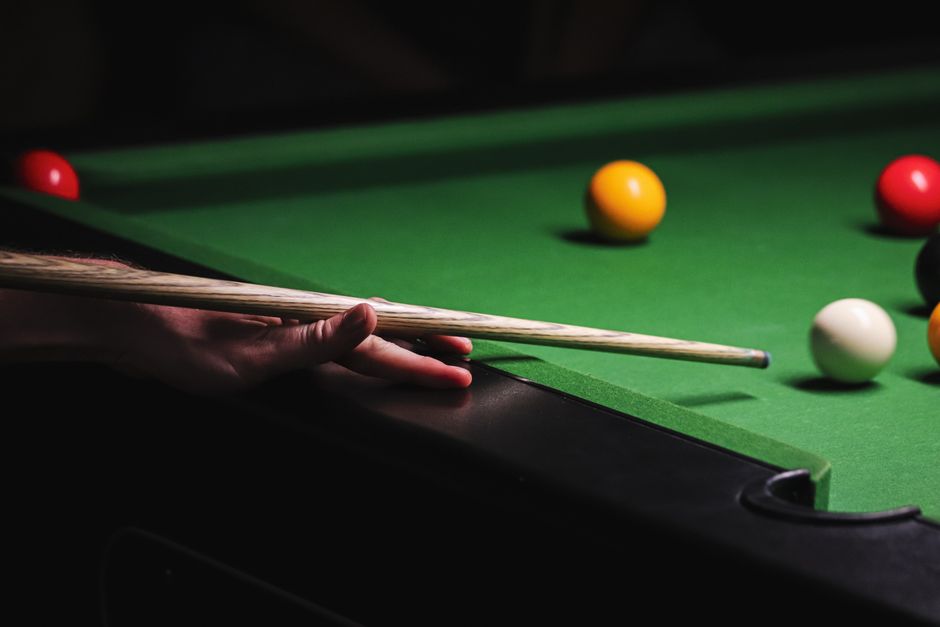
Before replacing cushions, it helps to understand what you're working with. A snooker cushion consists of three main components:
1. The Rubber Profile
Snooker cushions use a specific profile, often referred to as the "L-shaped" or "K66" style depending on the table. The profile determines the contact point and rebound angle. Using the wrong profile will ruin the table's playing characteristics.
2. The Cushion Cloth
The cloth covering the cushion is usually the same napped cloth used on the bed (e.g., 100% wool or wool-nylon blend). It must be stretched tightly and evenly to avoid wrinkles that deflect balls.
3. The Rail and Featherstrip
The rubber is glued or stapled to the wooden rail, and the cloth is secured with a featherstrip pressed into a groove. Some modern tables use glue-down cloth systems instead.
Choosing the Right Replacement Cushions
Not all cushion rubber is created equal. The material you choose will determine how your table plays for the next decade.
| Type | Characteristics | Best For |
|---|---|---|
| Natural Gum Rubber | Excellent elasticity, long lifespan, traditional feel | High-end and tournament tables |
| Synthetic Rubber | Consistent quality, resistant to humidity, lower cost | Home and club tables |
| Accelerated Rubber | Faster rebound, harder feel | Players who prefer quick cushions |
Always confirm the correct profile and durometer (hardness) rating for your table model. If in doubt, consult the manufacturer or a professional fitter.
Tools and Materials You'll Need
- Replacement cushion rubber (cut to size or pre-cut set)
- New cushion cloth (enough for all six cushions)
- Contact adhesive or spray adhesive approved for rubber
- Staples and a heavy-duty staple gun
- Featherstrip and a featherstrip tool (or glue for glue-down systems)
- Sharp utility knife and scissors
- Rubber mallet
- Cloth stretcher
- Measuring tape and pencil
- Clean rags and solvent for surface prep
Step-by-Step Cushion Replacement Process
Step 1: Remove the Rails
Unscrew and carefully lift each rail from the table bed. Label them (top, bottom, left, right) so you can reinstall them in the same position.
Step 2: Strip Old Cloth and Rubber
Remove the featherstrip and pull off the old cloth. Then pry or scrape away the old rubber. Clean the wooden rail thoroughly to remove all adhesive residue.
Step 3: Cut and Fit New Rubber
Measure each rail and cut the new cushion rubber to length, mitering the ends at 45 degrees for a clean corner joint. Dry-fit before gluing.
Step 4: Glue the Cushions
Apply contact adhesive to both the rail and the rubber. Allow it to become tacky, then press firmly into place. Use a rubber mallet to ensure full contact.
Step 5: Cover with Cloth
Lay the cushion cloth over the rubber, stretch it evenly, and secure it with the featherstrip or glue. Trim excess cloth neatly.
Step 6: Reinstall the Rails
Bolt the rails back onto the table, ensuring the cushion noses align perfectly with the bed cloth. Check the pocket openings and rail height.
Step 7: Test and Adjust
Roll balls along each cushion to verify consistent rebound. Make minor adjustments if any rail plays differently.
Cost of Snooker Table Cushion Replacement
Costs vary by table size, cushion quality, and whether you hire a professional. As a rough guide:
- DIY materials only: $150–$400
- Professional installation (home table): $400–$900
- Tournament or antique tables: $1,000+
Professional fitting is often worth the investment, especially for valuable tables, because incorrect installation can permanently damage rails or ruin playability.
How to Extend the Life of New Cushions
- Keep the table in a climate-controlled room (40–60% humidity).
- Avoid direct sunlight, which degrades rubber.
- Rotate heavy play across all cushions rather than favoring one end.
- Clean the cloth regularly with a brush to prevent abrasive dust buildup.
- Never sit on the rails or place heavy objects on the table.
When to Call a Professional
If your table is an antique, a tournament-grade model, or features unusual cushion profiles, hiring a certified billiards technician is strongly recommended. Professionals have the tools, experience, and adhesive knowledge to deliver a factory-quality result and often provide a warranty on their work.
Final Thoughts
Snooker table cushion replacement is a worthwhile investment that restores accuracy, speed, and enjoyment to your game. Whether you tackle the job yourself or hire an expert, understanding the materials, process, and costs will help you make confident decisions and keep your table playing like new for years to come.