 English
 简体中文
简体中文 Русский
 Español
 Deutsch
Essential snooker table maintenance tips for club owners. Learn daily care, cloth protection, cushion checks, and when to call a professional. Protect your investment.

Why Snooker Table Maintenance Matters for Club Owners
A snooker table is the single most important asset in any snooker club. It is the surface on which every frame is played, every pot is celebrated, and every member's experience is judged. Yet many club owners underestimate how quickly a neglected table deteriorates. Cloth wears thin, cushions lose their bounce, slate beds shift, and pockets become slack. The result is inconsistent play, unhappy members, and a costly replacement bill that could have been avoided with a disciplined maintenance routine.
This guide covers everything a club owner needs to know about keeping snooker tables in tournament-ready condition. From daily brushing to long-term re-covering schedules, these practical tips will help you protect your investment, extend the life of your tables, and keep players coming back.
Understanding the Anatomy of a Snooker Table
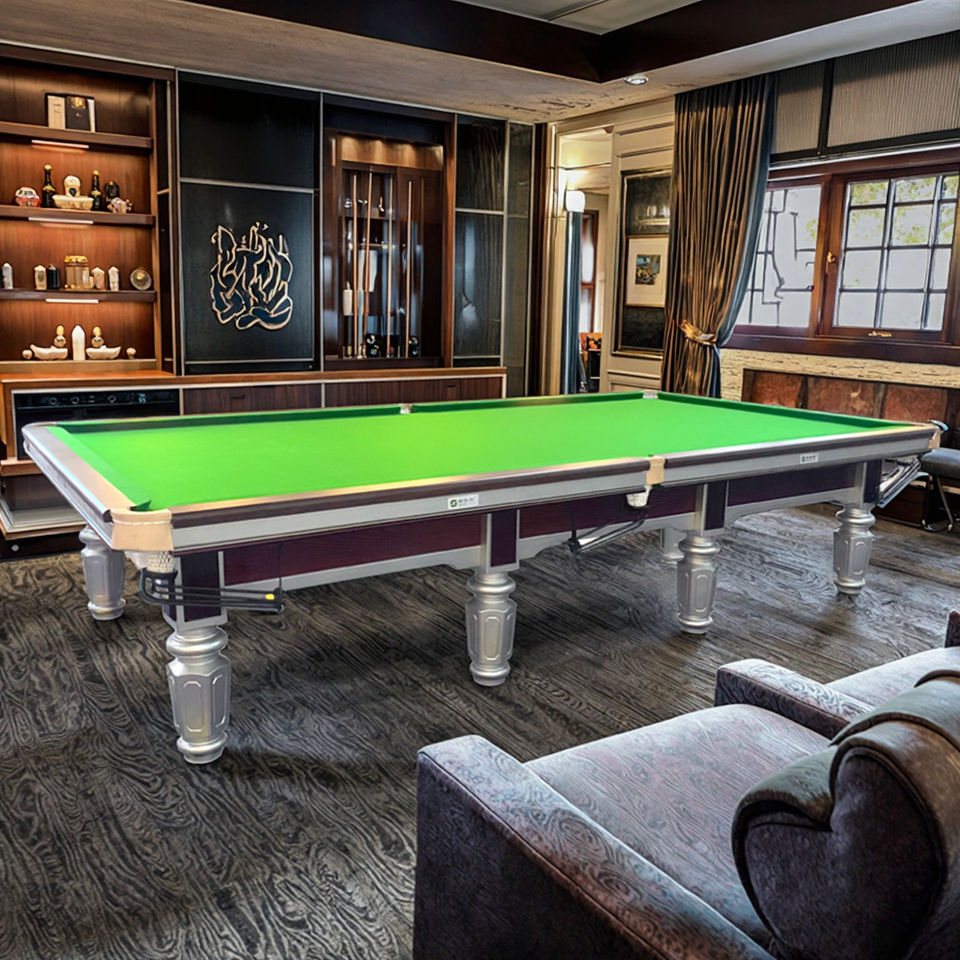
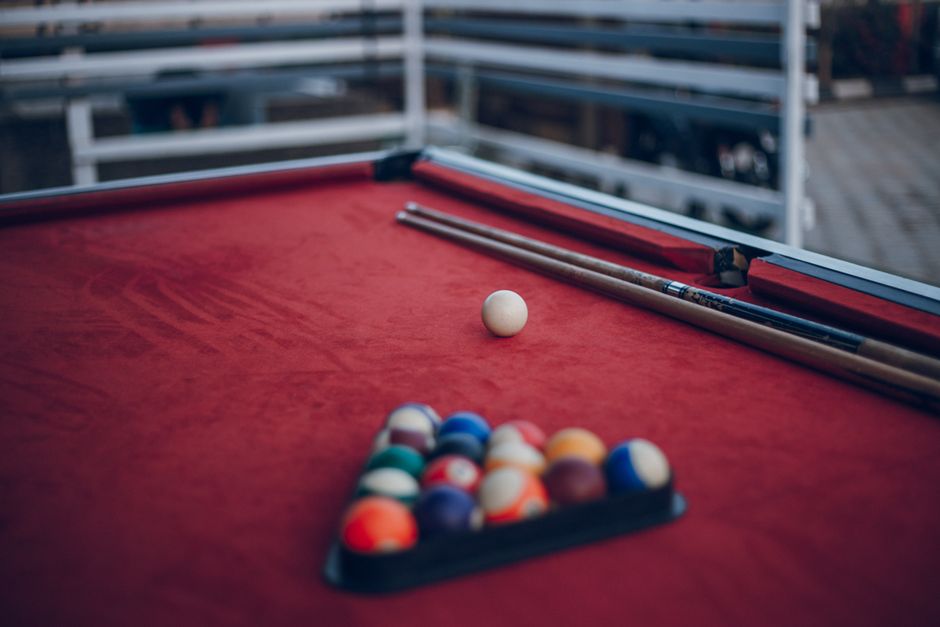
Before you can maintain a snooker table properly, you need to understand what you are maintaining. A standard full-size snooker table measures 12 feet by 6 feet and consists of several critical components:
- Slate bed: Usually three or five pieces of precision-ground slate, forming the true playing surface.
- Cloth (baize): The woven wool or wool-nylon covering stretched over the slate.
- Cushions: Rubber strips covered in cloth that provide rebound for the balls.
- Pockets and rails: The frame, pocket plates, and netting that capture potted balls.
- Frame and legs: The wooden structure that supports the slate and keeps it level.
Each component has its own maintenance needs, and neglecting one often accelerates wear in the others. For example, a dirty cloth transfers grit onto the balls, which then damages the cushion faces.

Daily Maintenance Routine
Consistency is everything. A few minutes of care each day prevents the slow accumulation of damage that leads to expensive repairs.
1. Brush the Cloth After Every Session
Use a soft, wide brush designed specifically for snooker tables and brush the cloth in straight lines from the baulk end toward the black spot. Never brush in circles, as this pushes chalk dust into the weave. Pay particular attention to the areas around the spots and the cushion edges, where chalk and dust collect most heavily.
2. Iron the Cloth Weekly
A low-temperature iron (or a dedicated table iron) run gently over the cloth removes creases and flattens the nap. Always iron in the direction of the nap and never leave the iron stationary, as this can scorch the wool. This simple step dramatically improves ball roll and speed.
3. Clean the Balls
Wipe balls with a microfibre cloth after play and wash them periodically with warm water and a mild detergent. Dirty balls leave residue on the cloth and cause erratic movement, especially on fine positional shots.
4. Check Pocket Nets and Rails
Empty pocket nets daily and inspect the leather or plastic pocket plates for cracks. Loose netting allows balls to drop onto the floor, risking damage to both balls and flooring.
Weekly and Monthly Maintenance Tasks
Beyond daily care, set aside time each week and month for deeper checks.
Weekly Checks
- Inspect the cloth for tears, burns, or shiny patches that indicate wear.
- Test cushion rebound by rolling a ball gently along the cushion and observing the return angle.
- Check that the table remains level using a spirit level placed at several points on the slate.
- Vacuum the cloth with a low-suction brush attachment to remove deep-seated chalk dust.
Monthly Checks
- Tighten bolts on the frame and legs, as vibration from play gradually loosens them.
- Examine the cushion rubber for hardening or compression grooves.
- Check the humidity in the room; snooker tables prefer 40–60% relative humidity.
- Inspect the under-table heating system if fitted, ensuring it maintains a consistent temperature of around 20–25°C.
Protecting the Cloth: Best Practices
Cloth is the most frequently replaced component of a snooker table, and re-covering a full-size table is a significant expense. Protect it with these habits:
- Ban food and drink from the table area. Spills stain and stiffen the cloth permanently.
- Use chalk sparingly. Encourage players to chalk cues away from the table and tap off excess chalk before playing.
- Cover the table when not in use. A fitted dust cover prevents airborne dust and UV damage.
- Rotate heavy-use tables. If your club has multiple tables, rotate the busiest ones to distribute wear evenly.
- Avoid resting cues or equipment on the cloth. Even a cue laid down can leave a permanent indentation.
Managing Cushions and Pockets
Cushions are often overlooked until they fail, but their condition directly affects gameplay. A cushion that has lost its rebound makes positional play unpredictable and frustrates experienced players.
Signs Cushions Need Attention
- Balls bounce at inconsistent angles.
- Visible flat spots or grooves along the cushion face.
- Hardened rubber that feels stiff to the touch.
- Cloth on the cushion is worn through or lifting at the edges.
Most club tables need cushion rubber replacement every 10–15 years, though heavy commercial use can shorten this to 7–10 years. When replacing cushions, always use high-quality rubber and have the work done by a qualified table fitter.
Pockets also require regular attention. Check that pocket plates are firmly attached and that the openings meet regulation dimensions. Worn pocket openings can cause balls to rattle or reject unfairly, which players notice immediately.
Environmental Control: The Hidden Factor
Snooker tables are sensitive to their environment. Temperature and humidity swings cause slate to expand and contract, cloth to tighten or slacken, and cushions to harden. Club owners should:
- Maintain a stable room temperature between 18°C and 22°C.
- Keep relative humidity between 40% and 60% using a dehumidifier or humidifier as needed.
- Avoid placing tables near radiators, air conditioning vents, or direct sunlight.
- Ensure good ventilation without creating draughts that affect ball roll.
If your tables have under-slate heating, keep it switched on consistently. Turning heating on and off causes condensation and uneven slate temperatures.
When to Call a Professional
Some maintenance tasks should never be attempted by club staff. Call a qualified snooker table fitter for:
- Re-covering the table with new cloth.
- Replacing cushion rubber.
- Re-levelling the slate bed.
- Repairing damaged slate.
- Major frame or leg repairs.
Attempting these jobs without the right tools and experience usually causes more harm than good. A professional fitter will also advise on the best cloth and cushion materials for your level of play.
Maintenance Schedule at a Glance
| Frequency | Task | Who |
|---|---|---|
| Daily | Brush cloth, clean balls, empty pockets | Staff |
| Weekly | Iron cloth, vacuum, check level | Staff |
| Monthly | Tighten bolts, inspect cushions, check humidity | Staff |
| Annually | Professional inspection and deep clean | Fitter |
| Every 7–15 years | Re-cover cloth, replace cushions | Fitter |
Building a Maintenance Culture in Your Club
The best-maintained snooker tables belong to clubs where maintenance is everyone's responsibility. Train staff to spot problems early, encourage members to report faults, and keep a simple logbook recording every brush, iron, and repair. A written record helps you track wear patterns and plan budgets for re-covering and cushion replacement.
Consider displaying a short list of table-care rules near each table. Remind players to chalk cues away from the cloth, avoid leaning on the cushions, and report any damage immediately. When members see that you take pride in your tables, they treat them with respect in return.
Final Thoughts
Snooker table maintenance is not glamorous, but it is the foundation of a successful club. A well-kept table plays true, looks professional, and lasts for decades. By following a daily, weekly, and monthly routine, controlling the environment, and knowing when to call a professional, club owners can protect their investment and give players the experience they expect. Start today with a simple brushing routine, and build from there. Your tables, your members, and your bottom line will all benefit.
Share your site, game, table sizes and quantities — we reply with a sampling plan and a quotation.