
 English
 简体中文
简体中文 Русский
 Español
 Deutsch
Compare snooker table vs pool table: size, pockets, cloth, balls, cost, and rules. Find out which table suits your home or club best. Read our guide now!
Snooker Table vs Pool Table: Key Differences Explained
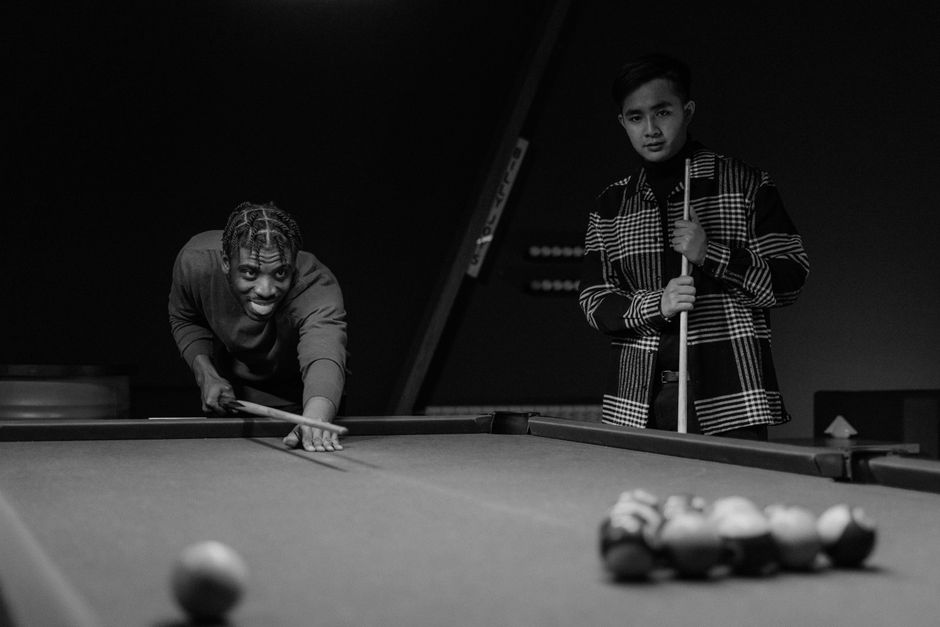
If you have ever walked into a billiards hall, you have probably noticed that not every table looks the same. Some are massive with tiny pockets, while others are more compact with generous openings. The confusion between a snooker table and a pool table is one of the most common questions among new players, buyers, and venue owners. While both games fall under the cue sports family, they differ dramatically in size, pocket design, cloth, balls, cues, and rules. Understanding these differences is essential whether you are choosing a table for your home, your club, or your business.
In this guide, we break down the snooker table vs pool table comparison across every major feature, present side-by-side tables, and give you a clear recommendation based on your needs.
Quick Overview: Snooker vs Pool
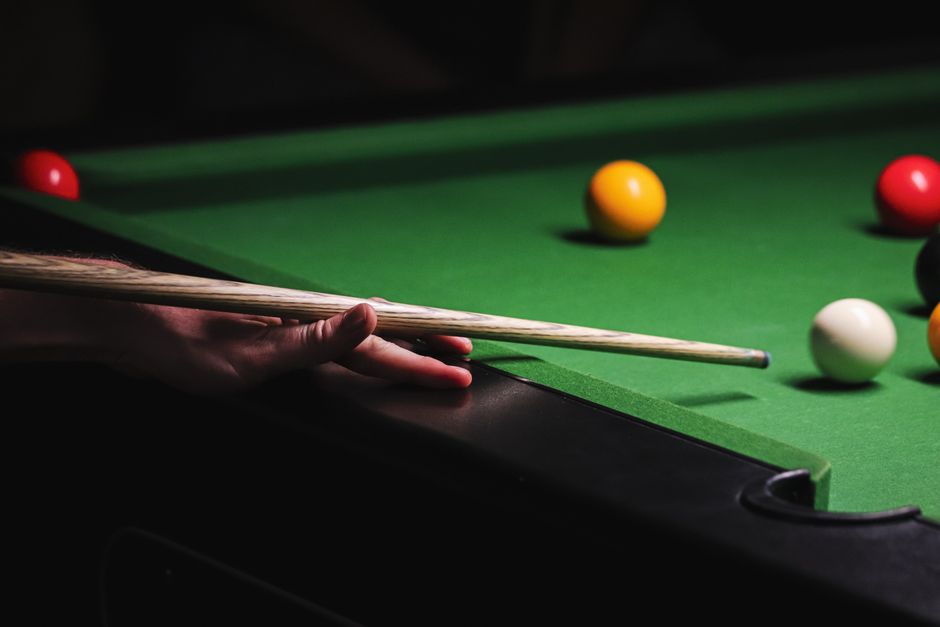
Snooker originated in British India in the late 19th century and evolved into a precision sport dominated by strategy, patience, and safety play. Pool, particularly American-style eight-ball and nine-ball, developed in the United States and is faster, more aggressive, and more accessible to casual players. These cultural roots explain nearly every physical and gameplay difference between the two tables.
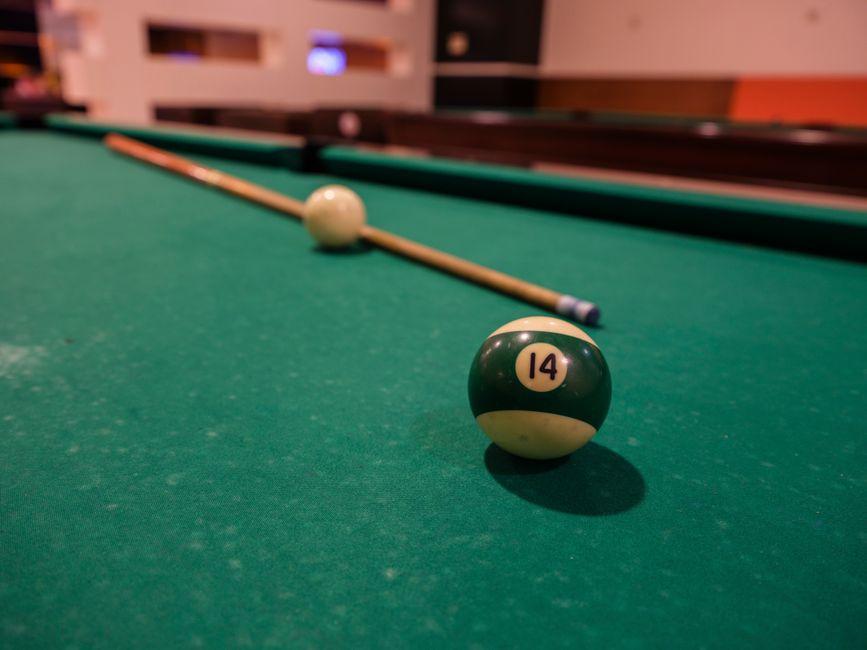
Table Size and Playing Surface
The most obvious difference is size. A full-size snooker table measures 12 feet by 6 feet (playing surface), while a regulation pool table is typically 7, 8, or 9 feet long. This size gap changes everything: shot difficulty, cue ball control, and even the amount of space required in a room.
| Feature | Snooker Table | Pool Table |
|---|---|---|
| Standard playing size | 12 ft x 6 ft (also 10 ft and 9 ft variants) | 7 ft, 8 ft, or 9 ft |
| Recommended room size | 22 ft x 16 ft for a 12 ft table | 17 ft x 13 ft for a 9 ft table |
| Table height | Approx. 33–34 inches | Approx. 29–31 inches |
Because of its footprint, a snooker table is rarely found in residential homes unless the owner has a dedicated games room. Pool tables, by contrast, fit comfortably in basements, garages, and even apartments with the right compact model.
Pocket Size and Cut
Pocket dimensions are where the two games diverge most in terms of difficulty. Snooker pockets are narrow and rounded, demanding pinpoint accuracy. Pool pockets are wider and often cut at a sharper angle, allowing balls to rattle in more easily.
| Feature | Snooker Table | Pool Table |
|---|---|---|
| Corner pocket opening | Approx. 3.5 inches | Approx. 4.5–5.5 inches |
| Middle pocket opening | Approx. 4 inches | Approx. 5–5.5 inches |
| Pocket shape | Rounded, tight jaws | Angled, more forgiving |
This is why snooker players develop extraordinary potting precision, while pool players rely more on positional play and power.
Cloth, Balls, and Cues
The materials used on each table are tailored to the game. Snooker cloth is traditionally a finer, faster napped wool, often in green, while pool cloth is usually a slower, more durable blended fabric available in many colors. Snooker balls are smaller (52.5 mm) and lighter, whereas pool balls are larger (57.15 mm) and heavier.
| Feature | Snooker Table | Pool Table |
|---|---|---|
| Cloth type | Fine napped wool (fast) | Blended worsted or felt (slower) |
| Ball diameter | 52.5 mm | 57.15 mm |
| Number of balls | 22 (15 reds, 6 colors, cue ball) | 16 (solids, stripes, cue ball) or 10 for nine-ball |
| Cue tip | 9–10 mm, finer | 12–13 mm, thicker |
These equipment differences mean you cannot simply swap balls between tables and expect a good game. Each setup is engineered for its sport.
Gameplay, Rules, and Scoring
Snooker is a game of accumulation: players pot reds and colors alternately, building breaks that can exceed 100 points. Safety play and snookering the opponent are central tactics. Pool, especially eight-ball, is a race to clear your group and sink the eight ball, with far more emphasis on shot-making and less on long-term strategy.
- Snooker: 15 reds, 6 colors, cue ball; pot red then color; highest score wins; frames can last over an hour.
- Pool (eight-ball): 7 solids, 7 stripes, 8-ball; clear your group then pot the eight; frames often finish in 10–20 minutes.
- Pool (nine-ball): balls 1–9; lowest ball first; pot the nine to win; fast and TV-friendly.
Cost, Maintenance, and Space
Snooker tables are generally more expensive due to their size, slate thickness, and precision engineering. They also require more maintenance: reclothing is costlier, and the large slate bed needs a level, climate-controlled room. Pool tables are more affordable, easier to move, and available in a huge range of styles, from pub tables to tournament-grade models.
| Factor | Snooker Table | Pool Table |
|---|---|---|
| Typical price range | $3,000–$15,000+ | $800–$6,000 |
| Installation difficulty | High (professional required) | Moderate |
| Maintenance cost | Higher | Lower |
| Space required | Very large | Moderate |
Which One Should You Choose?
The right choice depends entirely on your goals, space, and budget.
Choose a snooker table if: you are a serious player, have a dedicated room of at least 22 x 16 feet, want to develop precision and tactical depth, and are prepared for higher costs and maintenance.
Choose a pool table if: you want a versatile table for family and friends, have limited space, prefer faster and more social games, or are buying for a commercial venue that caters to casual players.
For most homes and small clubs, a 7 ft or 8 ft pool table is the practical winner. For dedicated snooker fans and professional training facilities, nothing replaces a full-size snooker table. If you run a mixed venue, consider offering both: a 9 ft pool table for casual play and a 10 ft snooker table as a compromise for space-limited rooms.
Final Thoughts
Snooker tables and pool tables may share a common ancestor, but they are built for different sports with different skills, rules, and audiences. Snooker rewards patience, precision, and strategy; pool rewards speed, power, and accessibility. By comparing size, pockets, cloth, balls, cues, cost, and gameplay, you can confidently decide which table belongs in your space. Whether you are a club owner, a home enthusiast, or a tournament organizer, matching the table to the player is the key to a great cue sports experience.