 English
 简体中文
简体中文 Русский
 Español
 Deutsch
- 01
Scope
The rooms, channels or storage categories this programme covers, and the volume they have to work across.
- 02
Size and material set
The size ladder, material and finish combination proposed, and how it holds together as a range.
- 03
Packing and channel
Flat-pack or assembled, retail shelf-ready or parcel-network ready, with labelling to your specification.
Why New Storage Rack Safety Regulations Matter
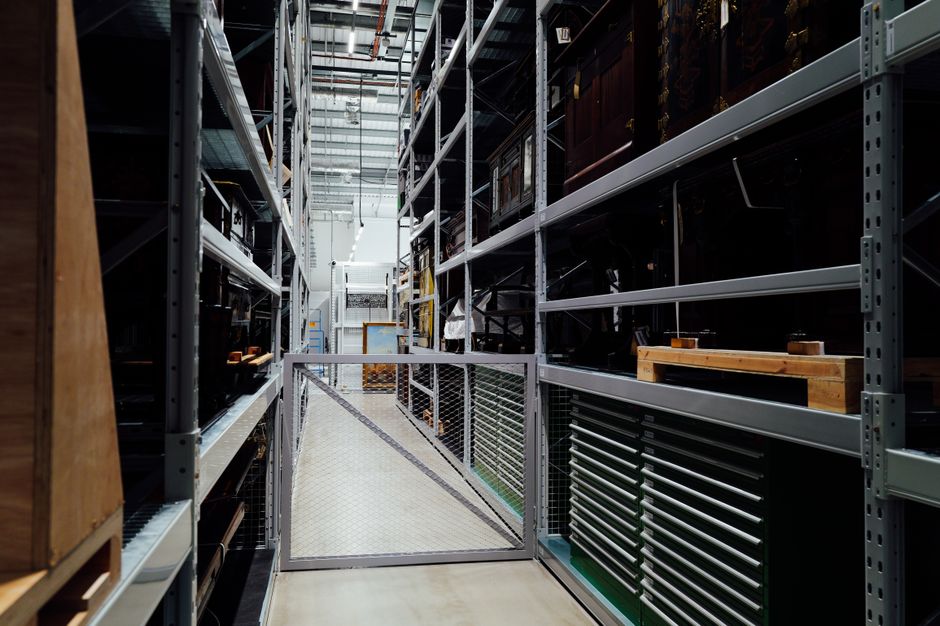
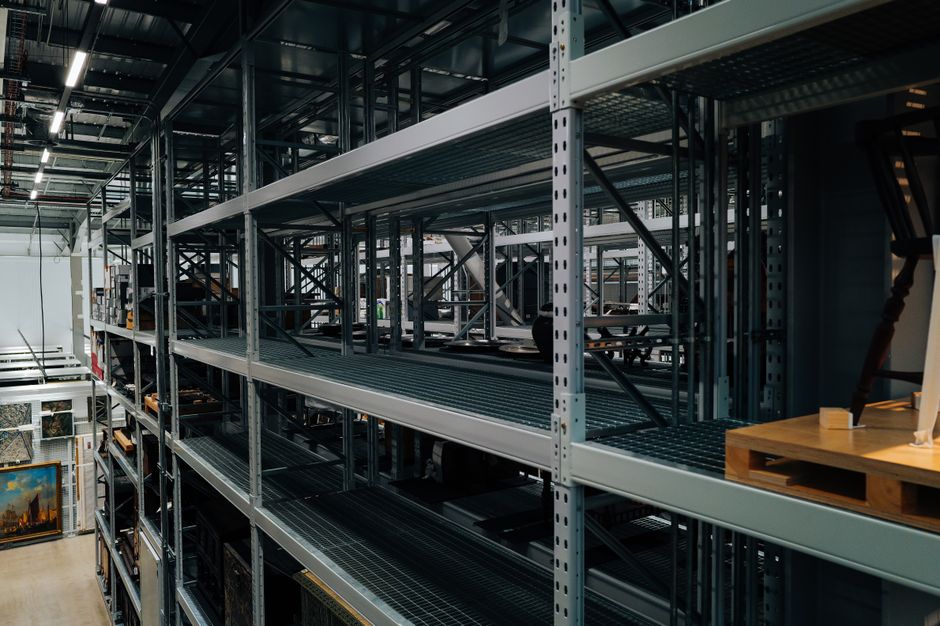
Storage racks are the backbone of warehouses, distribution centers, and industrial facilities. They hold thousands of pounds of inventory, often stacked several meters high. When a rack fails, the consequences can be catastrophic: collapsed aisles, destroyed products, injured workers, and costly downtime. That is why regulators, industry bodies, and insurers have been tightening storage rack safety rules. The latest wave of regulations and guidance affects everything from initial design and installation to daily inspections, load signage, and repair procedures.
This guide explains the key changes you need to know, how they impact your operation, and the practical steps you can take to stay compliant, protect your workforce, and avoid liability. Whether you manage a small warehouse or a multi-site distribution network, understanding these updates is essential.
What Is Driving the New Regulations?
Several forces are behind the updated rules:
- Rising incident data: Rack collapses continue to cause injuries and fatalities, often due to overloaded beams, damaged uprights, or improper modifications.
- Stronger enforcement: Workplace safety authorities are increasing inspections and issuing heavier fines for non-compliance.
- Insurance requirements: Many insurers now demand documented rack inspections and load capacity signage as a condition of coverage.
- International standards alignment: Standards such as EN 15512, EN 15620, RMI/ANSI MH16.1, and FEM guidelines are being updated, and local regulations are following suit.
- Automation and high-bay trends: Taller racks and automated storage systems require more rigorous engineering and monitoring.

Key Changes in Storage Rack Safety Regulations
1. Mandatory Load Capacity Signage
One of the most visible changes is the requirement for clear, permanent load capacity signs on every rack bay or aisle. These signs must state the maximum uniformly distributed load per beam level and the maximum total capacity per bay. They must be visible from the floor and legible without climbing. If your racks currently lack signage or the signs are outdated, you are likely out of compliance.
2. Stricter Inspection Intervals
New guidance recommends a tiered inspection approach:
| Inspection Type | Frequency | Who Performs It |
|---|---|---|
| Visual (walk-through) | Weekly | Trained in-house staff |
| Detailed inspection | Every 6–12 months | Competent person |
| Expert/engineering audit | Every 12–24 months or after an incident | Qualified engineer |
Written records must be kept for at least three years, and any damage must be assessed against tolerance limits.
3. Damage Tolerance Limits and Color Coding
Regulations now reference specific damage thresholds for uprights, beams, and connectors. Many companies adopt a traffic-light system:
- Green: No action required.
- Yellow: Monitor and schedule repair.
- Red: Immediately offload and repair or replace.
Ignoring red-level damage can lead to immediate shutdown orders and fines.
4. Repair and Modification Rules
Only original equipment manufacturer (OEM) approved parts may be used for repairs. Field modifications such as cutting, welding, or drilling uprights are prohibited unless authorized by a qualified engineer. This closes a loophole that previously allowed unsafe DIY fixes.
5. Impact Protection Requirements
New rules emphasize protecting racks from forklift impacts. End-of-aisle uprights must be fitted with impact guards, and guide rails or barriers may be required in high-traffic zones. Bollards and column protectors must be inspected as part of routine checks.
6. Operator Training and Documentation
Forklift operators and warehouse staff must receive documented training on rack safety, including load limits, damage reporting, and safe stacking practices. Training records must be available for inspection.
Practical Steps to Achieve Compliance
Step 1: Audit Your Current Racks
Start with a comprehensive audit. Check for missing signage, bent uprights, damaged beams, loose connectors, and out-of-date inspection records. Photograph and log every issue.
Step 2: Update Signage and Load Labels
Order new load capacity signs that reflect your actual rack configuration. Never assume the original signs are correct—configurations change over time.
Step 3: Establish an Inspection Schedule
Create a calendar for weekly visual checks, semi-annual detailed inspections, and annual expert audits. Assign responsibility to specific team members and use a standardized checklist.
Step 4: Repair Promptly with Approved Parts
Partner with your rack manufacturer or a certified supplier for repairs. Keep a stock of critical spare parts such as uprights, beams, and safety clips.
Step 5: Train Your Team
Run refresher training on rack safety, including how to identify damage and report it. Emphasize that anyone can stop work if they see a hazard.
Step 6: Document Everything
Keep inspection reports, repair records, training logs, and load capacity calculations in a central, easily accessible file. This documentation is your best defense during an audit or insurance review.
Common Mistakes to Avoid
- Using unapproved or mismatched rack components.
- Overloading beams beyond their rated capacity.
- Ignoring minor damage that later becomes critical.
- Failing to train new employees on rack safety.
- Skipping inspections during peak seasons.
How New Regulations Affect Different Industries
While the core principles apply across sectors, some industries face stricter requirements:
- Food and beverage: Racks must meet hygiene and wash-down standards, and stainless steel or coated options may be required.
- Pharmaceuticals: Documentation and traceability are paramount, with more frequent audits.
- Automotive: Heavy loads demand higher safety factors and more robust impact protection.
- E-commerce: High-throughput operations need rapid inspection methods and automated monitoring.
The Role of Technology in Compliance
Technology can simplify compliance. Options include:
- Digital inspection apps: Capture photos, tag damage, and generate reports instantly.
- Load monitoring sensors: Detect overloads and send alerts.
- Rack management software: Track inspection history, repairs, and spare parts inventory.
- Drone inspections: Access high bays safely and quickly.
Investing in these tools reduces manual effort and improves accuracy.
Penalties for Non-Compliance
Fines for rack safety violations vary by jurisdiction but can reach tens of thousands of dollars per violation. In severe cases, regulators can shut down operations, and insurers may deny claims if negligence is proven. Beyond financial penalties, the reputational damage and human cost of a collapse are immeasurable.
Frequently Asked Questions
How often should racks be inspected?
At minimum, weekly visual checks by trained staff, detailed inspections every 6–12 months, and expert audits every 12–24 months.
Can I repair racks myself?
Only with OEM-approved parts and following the manufacturer's instructions. Structural modifications require engineering approval.
What is the most common cause of rack failure?
Forklift impact damage and overloading are the leading causes.
Do these regulations apply to small warehouses?
Yes, most regulations apply regardless of size. Even small operations must ensure safe racking.
Conclusion
The new storage rack safety regulations are not just bureaucratic hurdles—they are essential safeguards for your people, products, and business. By understanding the changes, auditing your racks, updating signage, training staff, and documenting everything, you can turn compliance into a competitive advantage. Start today: schedule an inspection, order new load signs, and make rack safety a core part of your daily operations.