 English
 简体中文
简体中文 Русский
 Español
 Deutsch
- 01
Scope
The rooms, channels or storage categories this programme covers, and the volume they have to work across.
- 02
Size and material set
The size ladder, material and finish combination proposed, and how it holds together as a range.
- 03
Packing and channel
Flat-pack or assembled, retail shelf-ready or parcel-network ready, with labelling to your specification.
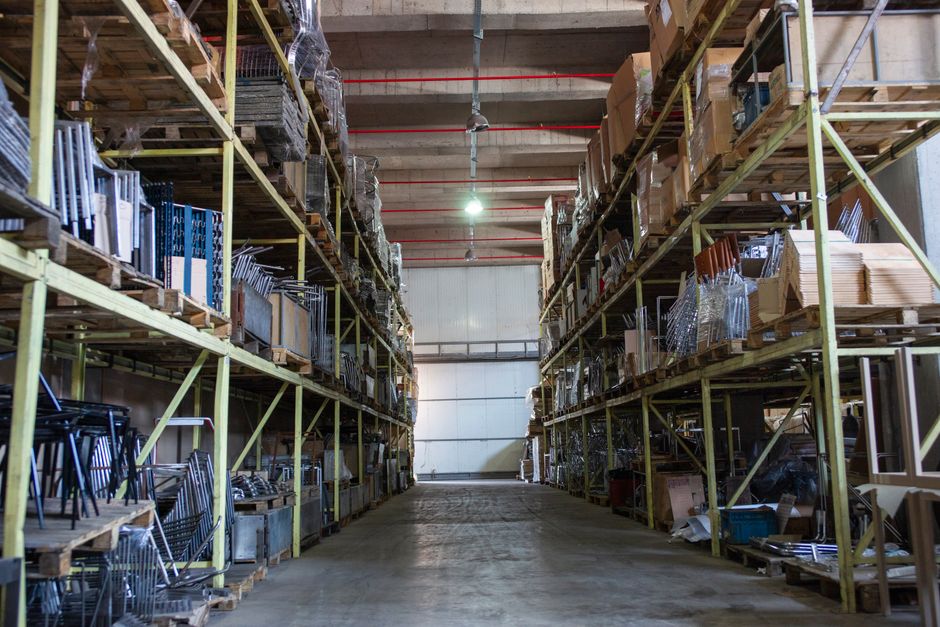
Warehouse Storage Solutions: Latest Industry News
The warehouse and logistics sector is evolving faster than at any point in the last two decades. Driven by e-commerce growth, labor shortages, sustainability mandates, and rapid advances in automation, warehouse storage solutions are being rethought from the ground up. This guide brings you the latest industry news and practical insights you can apply to your own facility, whether you operate a small distribution center or a multi-site fulfillment network.
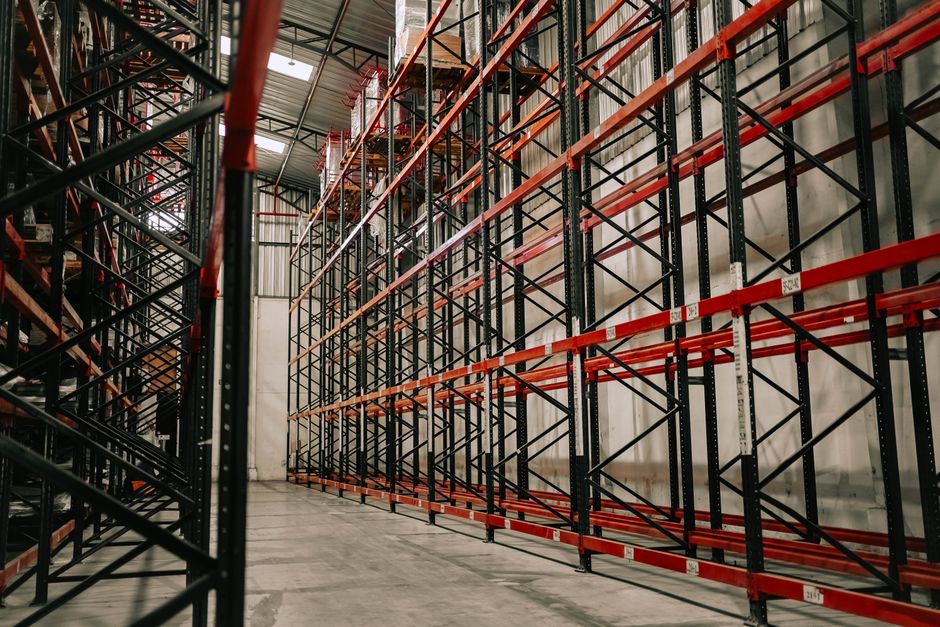
1. The Shift Toward High-Density Storage Systems
One of the biggest stories in warehouse storage news this year is the accelerating adoption of high-density storage. As land and rent costs climb in major logistics hubs, companies are squeezing more pallet positions into the same square footage.
Traditional selective pallet racking typically achieves 40–50% floor utilization. Newer high-density systems can push that figure well above 70%. The most talked-about technologies include:
- Automated vertical lift modules (VLMs): Enclosed towers that bring items to the operator, saving up to 90% of floor space compared with static shelving.
- Shuttle racking: Motorized shuttles move pallets deep into lanes, eliminating the need for forklift aisles between every rack.
- Push-back and drive-in racking: Proven, lower-cost options for LIFO and FIFO operations with dense SKU profiles.
- Mobile racking: Racks mounted on rails that open a single aisle on demand, maximizing every cubic meter.
Industry analysts note that the payback period for these systems has shortened considerably. In high-rent urban markets, some operators report ROI in as little as 18 to 24 months.
2. Automation and Robotics: From Pilot to Mainstream
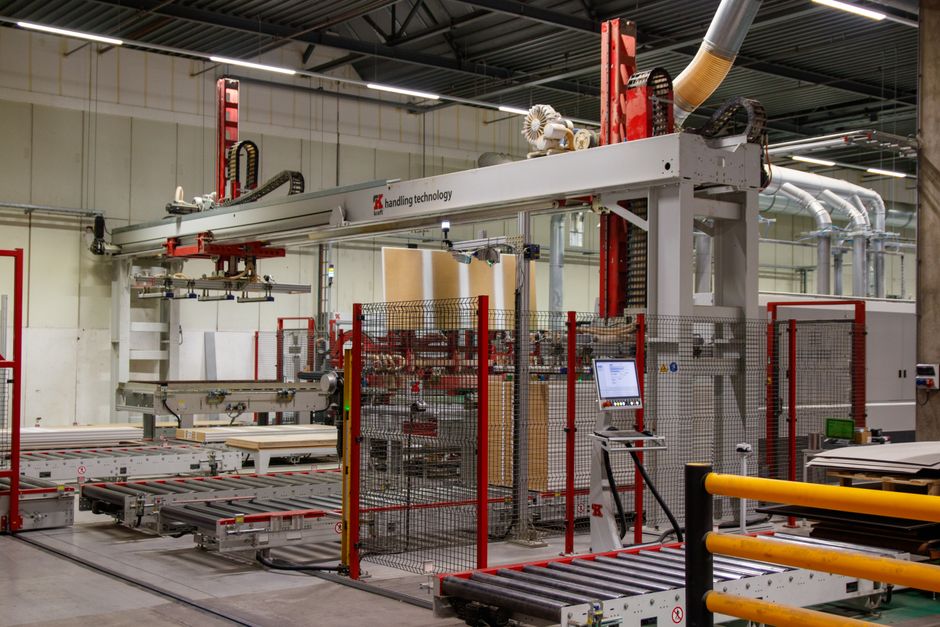
Automation is no longer a novelty reserved for Fortune 500 giants. Modular robotics platforms, autonomous mobile robots (AMRs), and goods-to-person (G2P) systems are now accessible to mid-sized warehouses.
Key developments to watch
- Robotics-as-a-Service (RaaS): Subscription pricing removes the heavy upfront capital barrier, letting smaller operators deploy AMRs without a multi-million-dollar commitment.
- AI-powered slotting: Machine learning algorithms continuously re-slot products based on velocity, seasonality, and pick-path efficiency.
- Collaborative robots (cobots): These work safely alongside human pickers, handling repetitive lifting and reducing injury rates.
- Digital twins: Simulation software lets managers test layout changes and storage configurations virtually before committing to physical changes.
The practical takeaway: start with a data audit. Before buying any robot, measure your SKU velocity, order profiles, and peak-to-average ratios. Automation amplifies good processes and exposes bad ones.
3. Sustainability Is Reshaping Storage Decisions
Environmental regulations and corporate ESG targets are now directly influencing warehouse storage equipment choices. Recent industry reports highlight several trends:
- Recycled steel racking: Major manufacturers now offer racking with high recycled content, reducing embodied carbon.
- Energy-efficient lighting and controls: LED systems with occupancy sensors cut energy use by up to 60%.
- Solar-ready roofs and battery storage: Warehouses are increasingly becoming distributed energy assets.
- Packaging optimization: Right-sized cartons and reusable containers reduce waste and improve cube utilization.
Sustainability is no longer just a marketing angle. In many regions, it is a compliance requirement, and lenders and insurers are beginning to factor ESG performance into their assessments.
4. Safety Standards and Regulatory Updates
Safety remains the foundation of any storage solution. Recent updates to industry guidance emphasize regular rack inspections, load capacity signage, and operator training.
| Inspection Type | Recommended Frequency | Who Should Perform It |
|---|---|---|
| Visual walk-through | Weekly | Trained in-house staff |
| Detailed rack inspection | Every 6–12 months | Competent person |
| Post-incident inspection | Immediately after impact | Qualified inspector |
| Full engineering audit | Annually or per local code | Third-party engineer |
Common causes of rack damage include forklift impacts, overloading, and out-of-spec modifications. A damaged upright or beam can reduce load capacity dramatically, so prompt repair or replacement is essential.
5. Smart Warehousing and IoT Integration
The Internet of Things (IoT) is turning static storage into connected infrastructure. Sensors can now monitor:
- Rack load and strain in real time
- Temperature and humidity for sensitive goods
- Inventory levels and location accuracy
- Equipment utilization and maintenance needs
When integrated with a warehouse management system (WMS), this data enables predictive maintenance, dynamic slotting, and near-real-time inventory visibility. The result is fewer stockouts, lower labor costs, and better customer service.
6. Practical Tips for Choosing the Right Storage Solution
With so many options, how do you decide? Use this checklist:
- Define your SKU profile: How many SKUs, what sizes, and what turnover rates?
- Map your order profile: Are you picking full pallets, cases, or individual items?
- Measure your cube: Calculate usable height, floor load capacity, and clearances.
- Forecast growth: Choose a system that can scale without a full rebuild.
- Consider total cost of ownership: Include maintenance, energy, training, and downtime.
- Prioritize safety and compliance: Never compromise on load ratings or inspection schedules.
- Pilot before you commit: Test new equipment or software in one zone first.
7. What’s Next: Trends to Watch
Looking ahead, several developments are likely to shape warehouse storage news in the coming year:
- Micro-fulfillment centers: Small, urban facilities using compact automated storage to enable same-day delivery.
- Autonomous forklifts: Self-driving lift trucks that operate safely in mixed human-robot environments.
- Blockchain for inventory traceability: Especially relevant for pharmaceuticals and food supply chains.
- Circular economy racking: Buy-back, refurbishment, and resale programs for used racking and shelving.
Conclusion
The warehouse storage industry is in the middle of a structural transformation. High-density systems, automation, sustainability, and smart technology are no longer optional extras—they are becoming the baseline for competitive operations. The operators who succeed will be those who invest strategically, prioritize safety, and stay informed about the latest industry news.
Whether you are planning a new facility or upgrading an existing one, start with data, choose scalable solutions, and partner with reputable equipment suppliers. The right storage strategy can reduce costs, improve throughput, and future-proof your business for years to come.