 English
 简体中文
简体中文 Русский
 Español
 Deutsch
- 01
Scope
The rooms, channels or storage categories this programme covers, and the volume they have to work across.
- 02
Size and material set
The size ladder, material and finish combination proposed, and how it holds together as a range.
- 03
Packing and channel
Flat-pack or assembled, retail shelf-ready or parcel-network ready, with labelling to your specification.
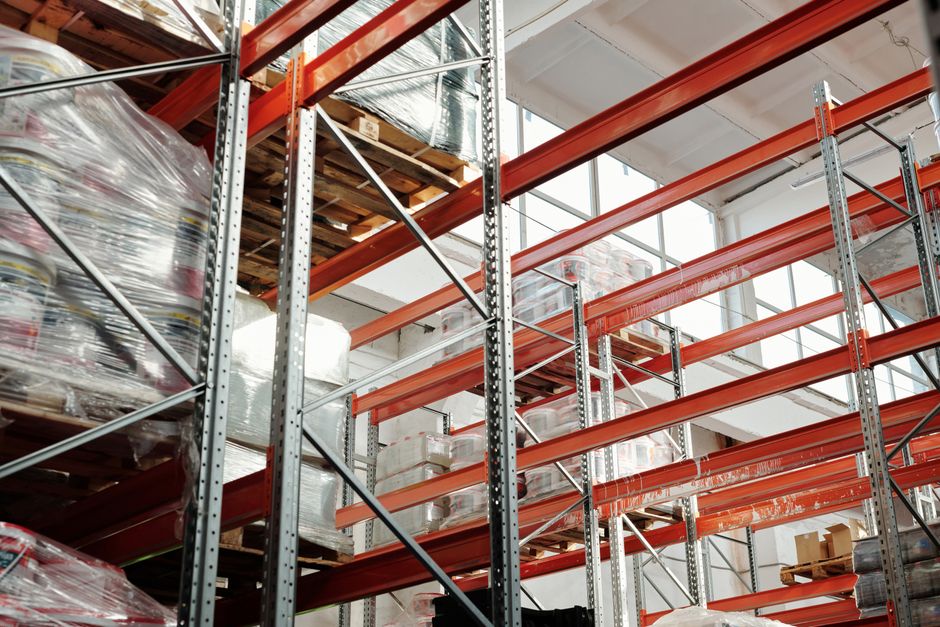
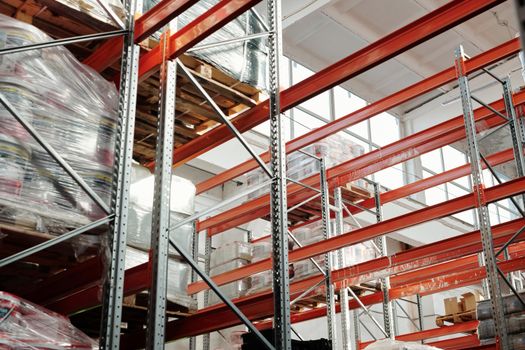
Introduction: The Storage Equipment Landscape in 2025
The storage equipment industry is undergoing a rapid transformation. Driven by e-commerce growth, labor shortages, sustainability mandates, and advances in automation, warehouses and distribution centers are rethinking how they store, move, and manage inventory. Whether you operate a small workshop, a retail backroom, or a million-square-foot fulfillment center, understanding this year's storage equipment trends helps you invest wisely and stay competitive.
This guide breaks down the most important trends shaping storage equipment this year, from smart shelving and mobile racking to sustainable materials and data-driven layout design. You'll also find practical tips for evaluating which trends matter most for your operation.
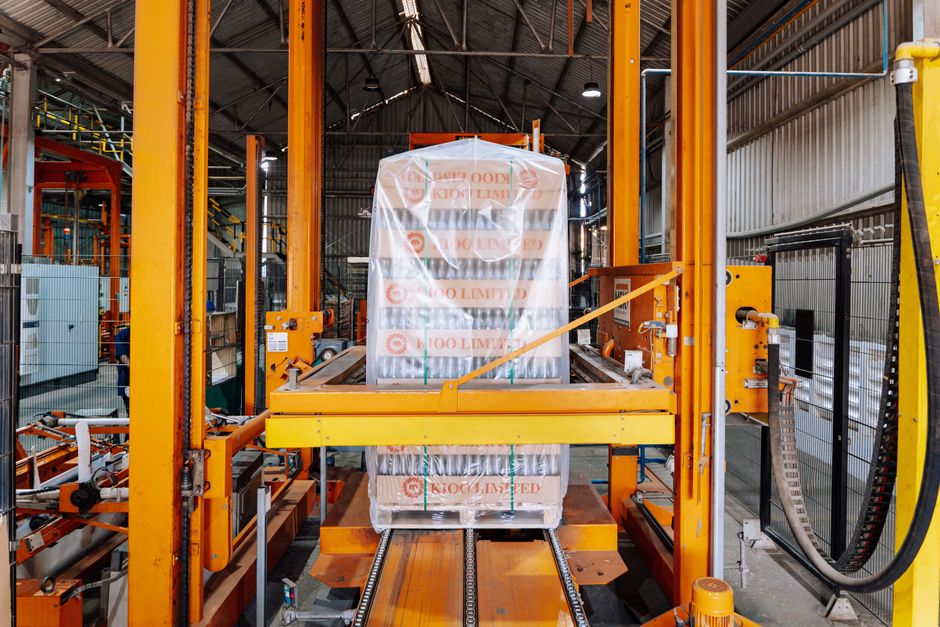
1. Automation and Robotics Move Into Mainstream Storage
Automation is no longer reserved for the largest players. This year, collaborative robots (cobots), automated guided vehicles (AGVs), and autonomous mobile robots (AMRs) are being paired with traditional storage equipment like shelving, pallet racks, and mezzanines.
How Automation Changes Storage Equipment
- Goods-to-person systems: Instead of workers walking aisles, robotic shuttles bring totes and pallets to picking stations. This reduces travel time by up to 70% in dense storage areas.
- AS/RS (Automated Storage and Retrieval Systems): Vertical lift modules and horizontal carousels are becoming more affordable for mid-sized operations.
- AMR-friendly racking: New rack designs include wider flue spaces and reinforced base plates to accommodate robots moving underneath.
Practical tip: If full automation is out of budget, start with a single automated vertical storage unit for your fastest-moving SKUs. Measure pick rates before and after to build a business case for expansion.
2. Mobile Racking and High-Density Storage Solutions
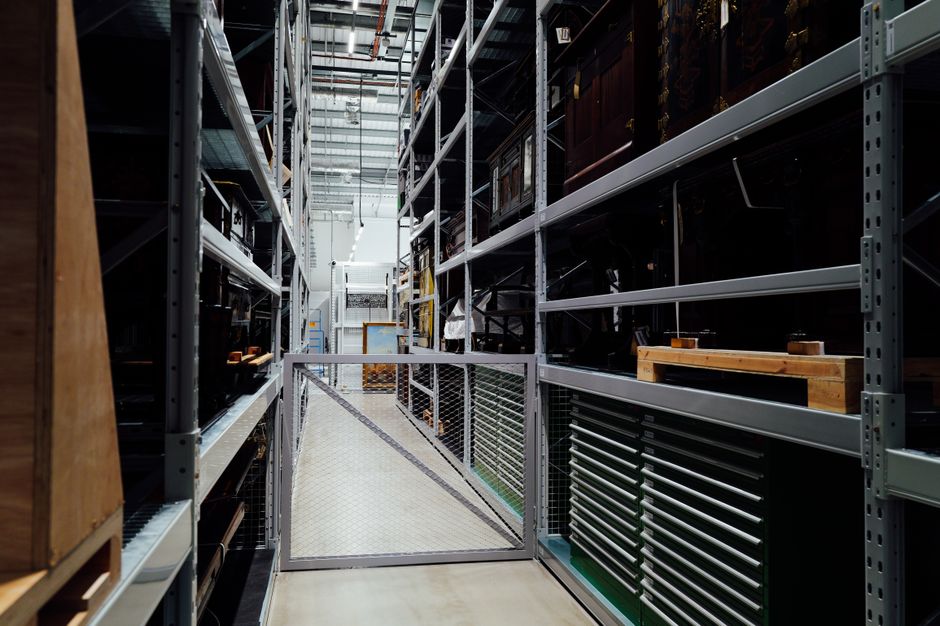
Real estate costs continue to climb, pushing companies to maximize every cubic foot. Mobile racking systems—where shelving units move on rails to open a single aisle on demand—are one of the fastest-growing storage equipment categories this year.
Benefits of Mobile Racking
- Increases storage capacity by 40–90% compared to static shelving
- Eliminates multiple fixed aisles
- Works well in cold storage, archives, and spare parts rooms
- Can be manually cranked or motorized with push-button controls
Other high-density options gaining traction include push-back pallet racks, drive-in racking, and double-deep selective racks. Each trades selectivity for density, so match the system to your SKU profile.
Practical tip: Calculate your honeycomb loss—the empty space created when you can't access every pallet. If your SKUs are slow-moving and homogeneous, drive-in racking may be the better choice.
3. Sustainability and Circular Economy in Storage Equipment
Environmental regulations and corporate ESG goals are reshaping material choices. This year, buyers are asking suppliers for recycled content, repairability, and end-of-life recycling programs.
Key Sustainable Trends
| Trend | What It Means | Typical Application |
|---|---|---|
| Recycled steel racking | Up to 90% recycled content in beams and uprights | Pallet racks, shelving |
| Powder-coated finishes | Low-VOC, durable, and recyclable | All metal storage |
| FSC-certified wood | Responsibly sourced decking and bins | Shelving decks, crates |
| Reusable plastic containers | Replace single-use cardboard | Bins, totes, dividers |
Refurbished racking is also booming. Companies are buying certified pre-owned beams, uprights, and wire decks at 30–50% below new prices while keeping tons of steel out of landfills.
Practical tip: Ask suppliers for an Environmental Product Declaration (EPD) or recycled-content certificate. It strengthens your sustainability reporting and can qualify you for green building credits.
4. Smart Storage: IoT Sensors and Digital Twins
Storage equipment is becoming connected. IoT sensors embedded in shelving and racks monitor load weight, temperature, humidity, and vibration. This data feeds digital twins—virtual replicas of your warehouse—that simulate layout changes before you commit capital.
What Smart Storage Enables
- Real-time inventory location tracking
- Predictive maintenance alerts before a rack beam fails
- Dynamic slotting recommendations based on pick frequency
- Energy monitoring for cold storage and climate-controlled rooms
Practical tip: Start with a small pilot zone. Install sensors on your highest-value or highest-turnover racks, then scale once you've proven ROI through reduced downtime and improved accuracy.
5. Modular and Flexible Storage Systems
Uncertainty is the new normal. Businesses want storage equipment that can be reconfigured as product lines change. Modular shelving, boltless racking, and clip-together workbenches are in high demand because they require no welding and minimal tools.
Why Modular Wins
- Reconfigure zones in hours, not weeks
- Lower installation labor costs
- Easy to expand vertically or horizontally
- Simplifies relocation when leases end
Practical tip: Standardize on one modular system across your facility. Mixed brands often have incompatible hole patterns and load ratings, which complicates reconfiguration.
6. Ergonomics and Worker Safety Innovations
With labor shortages and rising injury costs, ergonomic storage equipment is a priority. This year's trends include height-adjustable workstations, tilt-tray shelving, and spring-loaded bins that keep parts within easy reach.
Safety Features to Look For
- Column guards and end-of-aisle protectors
- Load capacity labels on every beam level
- Anti-tip clips and safety locks on mobile racking
- Seismic-rated bracing for earthquake zones
Practical tip: Conduct a quick ergonomic audit. If workers must bend below knee height or reach above shoulder height more than a few times per hour, consider adding a lift table or reorganizing shelf heights.
7. Cold Storage and Specialized Environments
E-commerce grocery, pharmaceuticals, and biologics are driving demand for cold storage equipment. Galvanized and stainless-steel shelving, insulated panels, and freezer-rated racking are seeing strong growth.
Considerations for Cold Storage
- Materials must withstand condensation and freeze-thaw cycles
- Lubricants and motors must be rated for sub-zero temperatures
- Lighting and sensors need cold-rated housings
- Layouts must minimize door openings to preserve energy
Practical tip: In freezer environments, specify galvanized steel over painted steel. Paint chips and rust faster in high-moisture, low-temperature conditions.
8. How to Choose the Right Storage Equipment This Year
With so many trends, it's easy to over-invest. Use this simple framework:
- Profile your inventory: SKU count, size, weight, turnover, and seasonality.
- Map your constraints: Ceiling height, floor load limits, aisle widths, and climate.
- Set clear goals: Capacity, pick rate, accuracy, or labor reduction.
- Pilot before scaling: Test one zone before committing facility-wide.
- Calculate total cost of ownership: Include installation, maintenance, energy, and end-of-life recycling.
Conclusion: Investing With Confidence
The storage equipment industry this year is defined by automation, density, sustainability, and intelligence. The winners will be those who blend proven equipment—like pallet racking and shelving—with targeted technology and flexible designs. Start small, measure everything, and choose partners who can support you through installation, maintenance, and future expansion.
Whether you're upgrading a single aisle or planning a new distribution center, aligning your storage equipment strategy with these trends will help you cut costs, improve safety, and build a facility that adapts to whatever comes next.