 English
 简体中文
简体中文 Русский
 Español
 Deutsch
Storage Equipment Factory Expansions Announced
Storage equipment factory expansions announced—discover shorter lead times, better pricing, and new warehouse racking options. Plan your storage project today.
Storage Equipment Factory Expansions Announced: What It Means for Buyers and the Industry
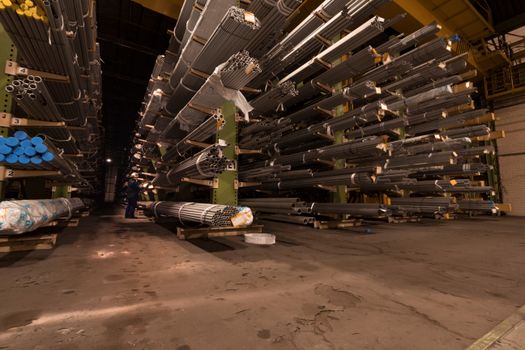
The storage and material handling industry is undergoing a significant transformation. Several leading storage equipment manufacturers have recently announced major factory expansions, signaling strong confidence in long-term demand for warehouse racking, shelving systems, automated storage solutions, and industrial storage equipment. For warehouse managers, procurement specialists, and business owners, these expansions are more than corporate news—they represent shifting supply dynamics, new product availability, faster lead times, and evolving pricing structures.
This comprehensive guide breaks down what these factory expansions mean, why they are happening now, and how you can position your business to take full advantage of the changes ahead.
Why Storage Equipment Factories Are Expanding Now
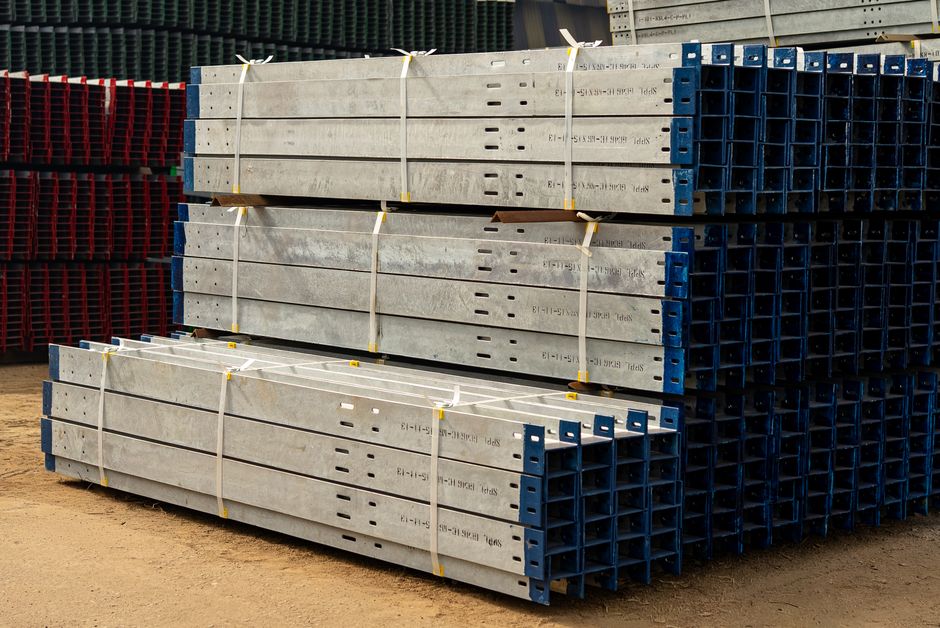
The announcement of new factory expansions did not happen in a vacuum. A combination of macroeconomic, technological, and logistical factors has pushed manufacturers to scale up production capacity. Understanding these drivers helps buyers anticipate market conditions over the next three to five years.
1. Surging E-commerce and Warehousing Demand
Global e-commerce growth continues to accelerate, and every online order depends on efficient storage and fulfillment infrastructure. Retailers, third-party logistics providers (3PLs), and direct-to-consumer brands are all building or retrofitting warehouses at record pace. This has created sustained demand for:
- Selective pallet racking and drive-in racking systems
- Multi-tier shelving and mezzanine platforms
- Automated storage and retrieval systems (AS/RS)
- Pick modules and conveyor-integrated storage structures
- Cold storage and high-density mobile shelving
When order volumes rise, storage capacity becomes the bottleneck. Manufacturers are expanding factories specifically to shorten the gap between order placement and installation.
2. Supply Chain Localization
Recent global disruptions taught the industry a hard lesson: relying on a single region for steel, components, or finished racking is risky. Many storage equipment companies are now building or expanding factories closer to their end markets. This localization strategy reduces shipping delays, tariff exposure, and currency risk while improving responsiveness to regional customers.
3. Automation and Smart Manufacturing
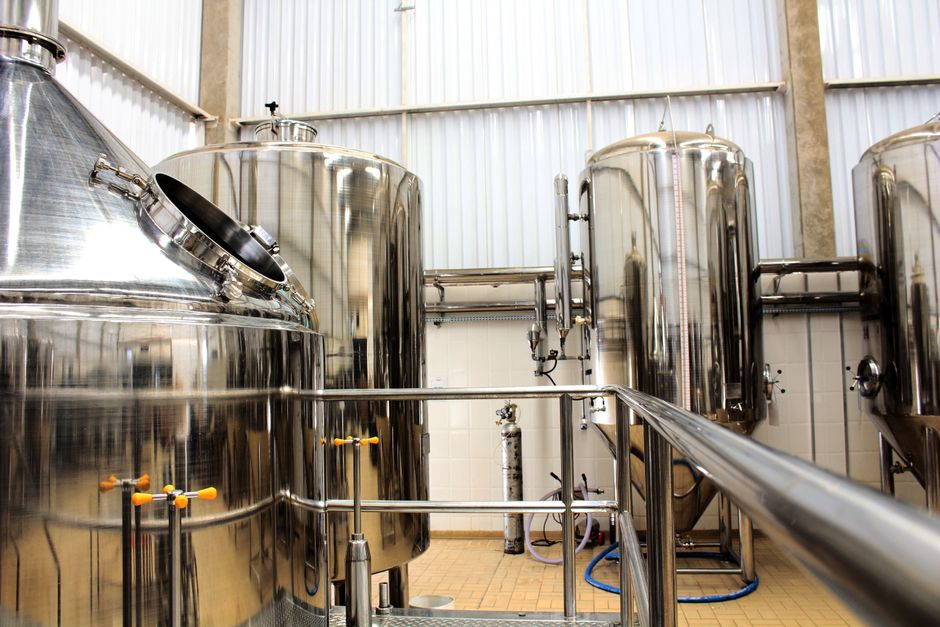
New factory expansions are not simply about adding square footage. They involve installing robotic welding cells, automated powder coating lines, laser cutting systems, and digital production planning tools. These investments increase output per worker and improve consistency—critical for structural products like pallet racking that must meet strict load and safety standards.
Key Expansion Projects and What They Include
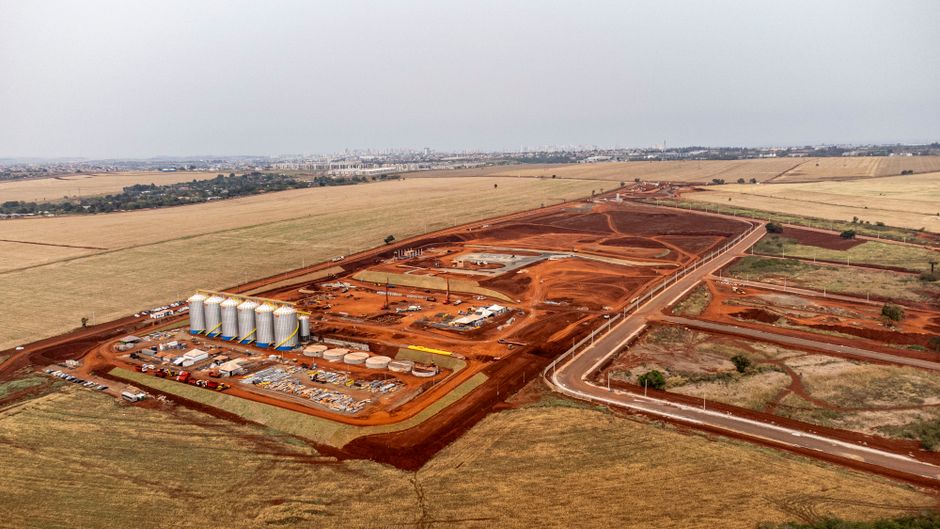
While specific announcements vary by company, a clear pattern has emerged across the industry. The table below summarizes the typical scope of recently announced storage equipment factory expansions.
| Expansion Type | Typical Investment Focus | Expected Impact |
|---|---|---|
| New production halls | Roll forming lines, welding automation | Higher racking output, shorter lead times |
| Powder coating facilities | Eco-friendly coating, faster curing | Improved finish durability, lower environmental impact |
| R&D and testing centers | Load testing, seismic simulation | Safer, code-compliant storage systems |
| Warehouse and logistics hubs | Regional distribution centers | Faster delivery, lower freight costs |
| Automation integration labs | AS/RS, shuttle systems, robotics | Turnkey automated storage solutions |
These investments collectively point to an industry that is maturing from a project-based manufacturing model to a more scalable, technology-driven one.
How Factory Expansions Affect Buyers
For anyone purchasing storage equipment, factory expansions are not just background news. They translate into tangible commercial and operational changes. Here is what to watch for.
Shorter Lead Times
Additional production capacity usually means shorter lead times for standard products such as selective pallet racking, boltless shelving, and wire decking. In the past, buyers often waited 8–12 weeks for large orders. Expanded factories are targeting 4–6 weeks or less for standard configurations, with even faster turnaround for stock items.
More Competitive Pricing
When capacity increases faster than demand in a given region, pricing pressure tends to ease. While steel costs remain a major variable, greater manufacturing efficiency and localized production can reduce the total landed cost of storage systems. Buyers should still compare quotes carefully, but the era of extreme price volatility may be moderating.
Greater Product Availability and Customization
Expanded factories often add new product lines, including high-density mobile shelving, automated vertical lifts, and hybrid racking systems. Because modern production lines are more flexible, manufacturers can offer more customization options—different beam lengths, load capacities, colors, and finishes—without long delays.
Improved Quality and Compliance
New facilities are typically built around updated engineering standards, including RMI (Rack Manufacturers Institute) specifications, FEM guidelines, and local building codes. Buyers benefit from better documentation, traceability, and load ratings that are easier to verify.
Practical Tips for Capitalizing on the Expansion Wave
To make the most of these industry developments, follow these practical steps when planning your next storage project.
- Plan early: Even with shorter lead times, large projects still require engineering, permitting, and installation scheduling. Start planning 3–6 months before your target completion date.
- Lock in pricing strategically: Ask vendors about price validity periods and volume discounts. Expanded factories may offer better terms for multi-phase projects.
- Request updated load certifications: Confirm that new production lines meet the latest safety and seismic standards for your region.
- Consider automation-ready designs: If you might add AS/RS or shuttle systems later, choose racking and shelving that can integrate with automation.
- Visit or audit the factory: Where possible, tour the expanded facility or request a virtual audit to verify quality processes.
- Negotiate delivery and installation: Expanded logistics networks can often bundle delivery, installation, and after-sales service into a single contract.
What This Means for the Broader Storage Industry
The wave of factory expansions signals a long-term shift in how storage equipment is designed, manufactured, and delivered. Three trends stand out.
Consolidation and Scale
Larger manufacturers with expanded capacity can serve national and international customers more efficiently. Smaller, specialized producers will need to differentiate through niche products, superior service, or regional expertise.
Technology as a Differentiator
Automation, digital twins, and smart warehouse integration are becoming core selling points. Factories that invest in these areas will be better positioned to support customers moving toward Industry 4.0 warehouses.
Sustainability Commitments
New factories are increasingly built with energy-efficient equipment, recycled steel, and lower-emission coating processes. Buyers with ESG goals can factor these improvements into their procurement decisions.
Frequently Asked Questions
Will factory expansions lower storage equipment prices?
They can help stabilize prices by increasing supply and reducing logistics costs. However, raw material costs, tariffs, and regional demand still play major roles. Expect more predictable pricing rather than dramatic reductions.
How soon will buyers see shorter lead times?
Many expansions are being phased in over 12–24 months. Some product lines may see faster delivery within the first year, while fully automated lines and custom systems may take longer.
Should I wait for new products before ordering?
If your project is urgent, do not delay. Standard racking and shelving remain readily available. If you are planning a long-term automation roadmap, it may be worth discussing future product availability with your vendor.
Conclusion: A Stronger, More Responsive Storage Equipment Market
The recent announcements of storage equipment factory expansions reflect a confident, forward-looking industry. For buyers, the benefits are clear: shorter lead times, more competitive pricing, better product availability, and higher quality standards. For the industry as a whole, these investments lay the groundwork for smarter, more automated, and more sustainable warehousing.
Whether you are upgrading a single warehouse aisle or planning a multi-site distribution network, now is an excellent time to engage with suppliers, review your storage strategy, and secure the capacity you need. The factories are scaling up—make sure your storage plans scale with them.