Do You Need a Nail Gun for DIY Furniture Building?
If you're getting into DIY furniture building, you've probably watched a few videos where someone zips a project together with a nail gun and wondered whether you actually need one. The short answer is: it depends on the furniture you plan to build and the finish you want. A nail gun is a fastening tool that drives nails with compressed air, battery power, or a small gas cartridge. It can speed up assembly dramatically, but it is not the only way to join wood — and for many furniture projects, it isn't even the best way.
This FAQ breaks down when a nail gun helps, when it hurts, and what alternatives you should consider before spending money on one.
What Does a Nail Gun Actually Do?
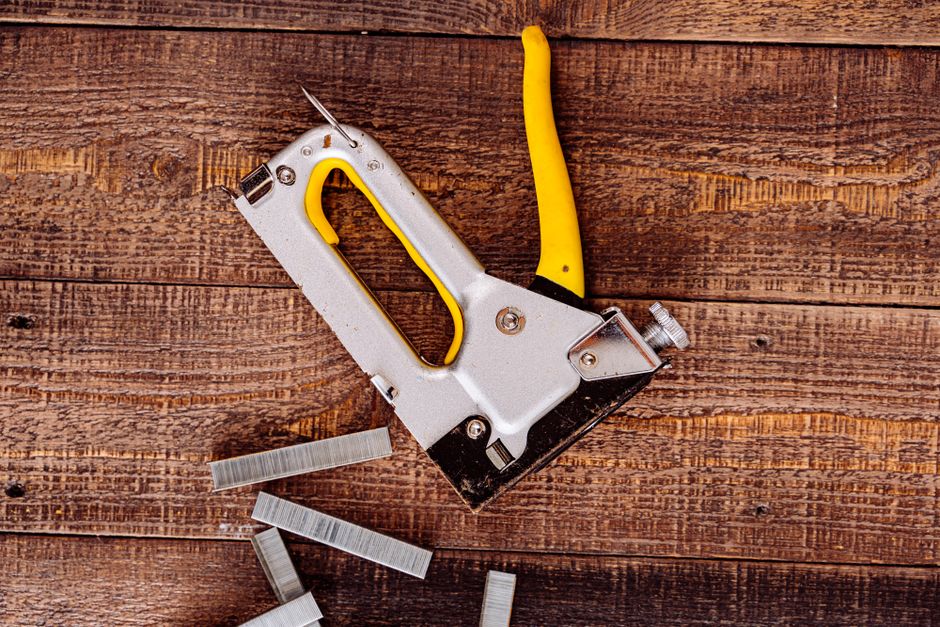
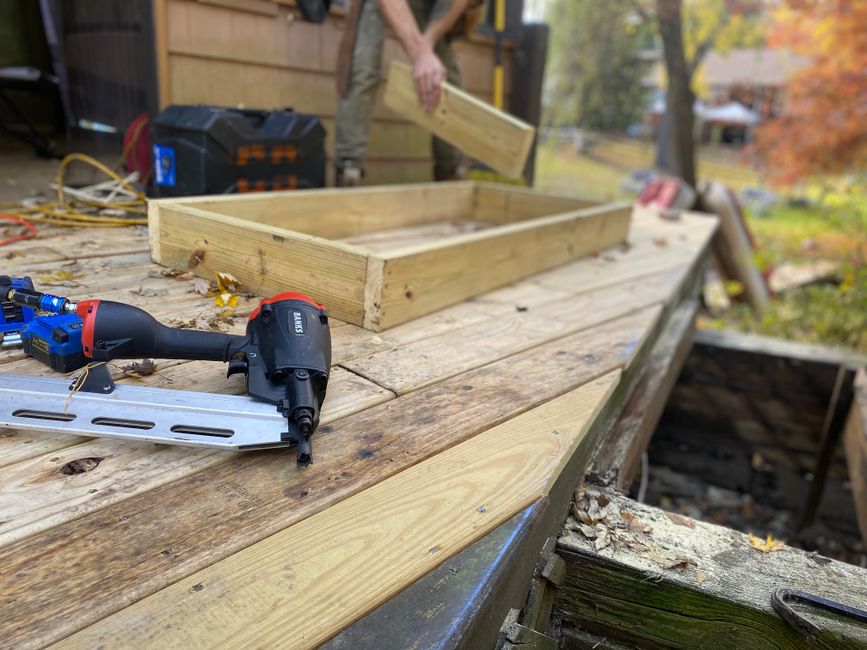
A nail gun drives nails into wood (or into concrete and metal, depending on the model) using a rapid, forceful mechanism. In woodworking, the most common types are brad nailers, finish nailers, and staplers. Brad nailers shoot thin 18-gauge nails, finish nailers shoot thicker 15- or 16-gauge nails, and staplers drive narrow crown staples. Each leaves a relatively small hole that can be filled with wood putty.
Because the tool drives the fastener in one quick motion, it holds pieces in alignment while glue dries. That's its real superpower in furniture building: it acts as a third hand. It is not typically a structural fastener on its own for load-bearing joints.
Is a Nail Gun Necessary for Building Furniture?
No. Plenty of beautiful, durable furniture has been built with nothing more than a hammer, screws, dowels, or traditional joinery. A nail gun is a convenience tool, not a requirement. If you're building a bookshelf, a dining table, or a bed frame that needs to support weight, nails alone are the wrong choice. Screws, bolts, dowels, and glued joints are far stronger for those applications.
Where a nail gun shines is in assembly and trim work: attaching back panels, securing face frames, installing decorative molding, and holding parts together while wood glue cures. If your projects lean toward cabinets, built-ins, or upholstered pieces, a nail gun becomes much more valuable.
What Types of Furniture Projects Benefit Most from a Nail Gun?
Projects with thin panels and trim are the sweet spot. Think cabinet carcasses, drawer boxes, wainscoting-style headboards, and decorative toe kicks. In these cases, brad nails or staples hold pieces in place while glue does the structural work. The fasteners are hidden or easily filled, so the finished piece looks clean.
Projects that rely on heavy structural joints — tables, benches, bed frames, and chairs — benefit far less. In those builds, a nail gun can still help with temporary clamping or attaching non-structural trim, but it should never replace screws, bolts, or proper joinery.
Can You Build Furniture Without a Nail Gun?
Absolutely. A basic kit of a drill/driver, a hammer, clamps, wood glue, and a pocket-hole jig will get you through most beginner and intermediate furniture projects. Pocket screws, for example, create strong joints quickly and are ideal for face frames and cabinet boxes. Dowels and biscuits add alignment and strength without any nails.
If you're working on a tight budget, skip the nail gun first and invest in good clamps and a quality drill. Those tools will serve you on every project, while a nail gun only helps on some.
What Are the Alternatives to a Nail Gun?
There are several fastening and joining methods that can replace or reduce your need for a nail gun:
- Wood glue: The strongest bond for most wood-to-wood joints when surfaces are properly prepared.
- Screws: Excellent for structural connections and disassembly-friendly builds.
- Pocket-hole jigs: Fast, strong, and beginner-friendly for cabinet and frame construction.
- Dowels and biscuits: Great for alignment and adding strength to edge joints.
- Hammer and finish nails: A low-cost option for trim and light assembly.
- Staples: Useful for upholstery and thin back panels.
Many woodworkers combine methods — glue plus screws for structure, and a few brad nails for holding trim while the glue dries.
Which Nail Gun Is Best for Furniture Building?
For most furniture work, an 18-gauge brad nailer is the most versatile choice. It handles thin stock, leaves small holes, and is light enough for overhead or detailed work. A 16-gauge finish nailer is useful when you need a bit more holding power, such as attaching thicker trim or face frames. A narrow crown stapler is handy for back panels and upholstery.
| Tool | Best For | Typical Fastener |
|---|---|---|
| Brad nailer | Trim, thin panels, holding glue-ups | 18-gauge brads |
| Finish nailer | Face frames, thicker trim | 15–16 gauge nails |
| Stapler | Back panels, upholstery | Narrow crown staples |
If you can only buy one, start with an 18-gauge brad nailer. It covers the widest range of furniture-building tasks.
Should You Choose Pneumatic, Battery, or Cordless Nail Guns?
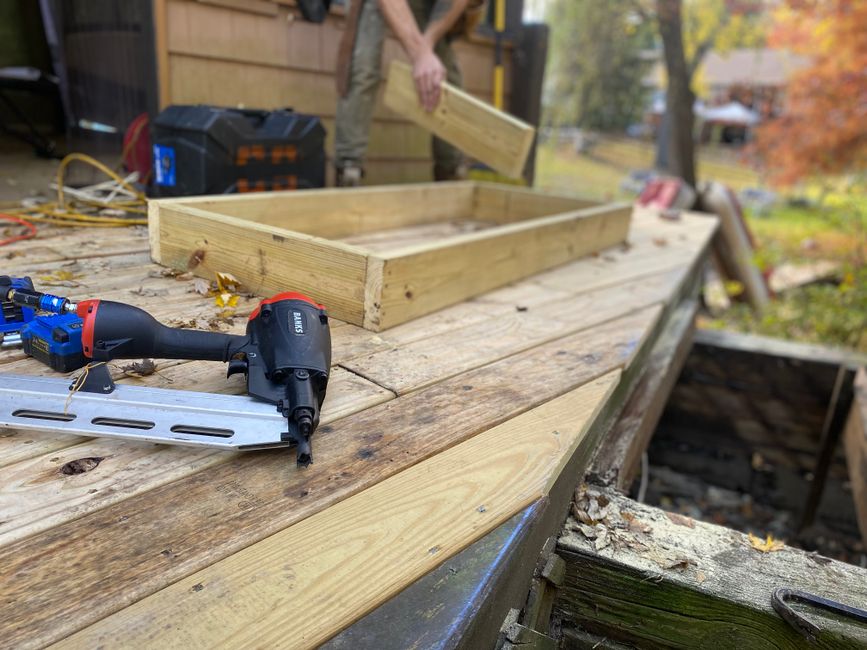
Pneumatic nail guns require an air compressor and hose, but they are powerful, lightweight, and generally cheaper. If you already own a compressor, this is often the best value. The downside is the hose, which can be awkward in a small shop or on a job site.
Battery-powered nail guns run on rechargeable platforms and offer freedom from hoses. They are heavier and more expensive, but for DIYers working in a garage or spare room, the convenience is often worth it. Gas-cartridge models are another option but are less common in home workshops.
How Much Should You Spend on a Nail Gun for DIY Use?
For occasional DIY furniture building, a mid-range brad nailer in the $80–$150 range is usually plenty. You don't need a professional-grade tool unless you're using it daily. If you go battery-powered, factor in the cost of the battery platform you already own — staying within one brand saves money long-term.
Don't forget the consumables: nails, staples, and possibly a compressor and hose. These add up, so budget for them alongside the tool itself.
What Safety Precautions Should You Take?
Nail guns are fast and powerful, which makes them dangerous if mishandled. Always wear safety glasses, keep your fingers clear of the firing path, and never point the tool at yourself or anyone else. Treat it as if it's loaded at all times, and disconnect the air or remove the battery before clearing jams.
Also, be aware of kickback and ricochet. Nails can deflect off knots or metal, so secure your workpiece and maintain a firm, controlled grip. A little caution goes a long way toward keeping your DIY projects safe and enjoyable.
The Bottom Line
You do not need a nail gun to build DIY furniture, but it can make certain tasks faster and neater. If your projects involve trim, panels, or cabinet assembly, an 18-gauge brad nailer is a worthwhile addition. If you're building tables, benches, and bed frames, invest in clamps, a good drill, and proper joinery first. Buy the nail gun when your projects call for it — not before.