
 English
 简体中文
简体中文 Русский
 Español
 Deutsch
 Vent-Clip & Dashboard Air Purifiers
Solutions
How to Remove Cigarette Smell From Your Car Permanently
Learn how to remove cigarette smell from your car permanently with deep cleaning, ventilation treatment, and a car air purifier. Get fresh air today!

Why Cigarette Smoke Is So Hard to Remove From a Car
Cigarette smoke is one of the most stubborn odors you can deal with in a vehicle. Unlike spilled coffee or a fast-food smell that fades within days, tobacco smoke leaves behind a chemical residue that bonds to almost every surface inside your car. The smell does not simply sit in the air — it coats your upholstery, headliner, carpet, seat belts, dashboard, and even the inside of your air conditioning vents.
The main culprits are tar and nicotine, along with hundreds of other volatile organic compounds (VOCs) released during combustion. Tar is sticky and oily, which means it clings to fabric fibers and hard plastics. Nicotine yellows surfaces and releases odor for months. Worst of all, these particles get pulled into your ventilation system, where they settle on the evaporator core and cabin air filter. Every time you turn on the AC or heater, the smell circulates again.
That is why simply spraying air freshener never works permanently. To truly eliminate cigarette smell, you must remove the residue at its source, clean every surface, and purify the air. This guide walks you through a complete, step-by-step process that works — plus how a car air purifier can keep your cabin fresh long after the cleaning is done.
Step 1: Remove All Sources of Odor
Before you clean anything, strip the car of items that have absorbed smoke.
- Ashtrays and lighters: Empty, wash, and remove them. Even a clean-looking ashtray holds ash dust that re-releases odor.
- Floor mats: Take them out and set them aside for deep cleaning.
- Trash and loose items: Old receipts, napkins, and clothing can hold smoke residue.
- Cabin air filter: Locate it (usually behind the glove box) and replace it. A dirty filter is a reservoir of trapped smoke particles.
If the previous owner was a heavy smoker, consider replacing the cabin filter immediately rather than trying to clean it. Filters are inexpensive and make a dramatic difference.
Step 2: Deep Clean the Interior Surfaces
Fabric Upholstery and Carpet
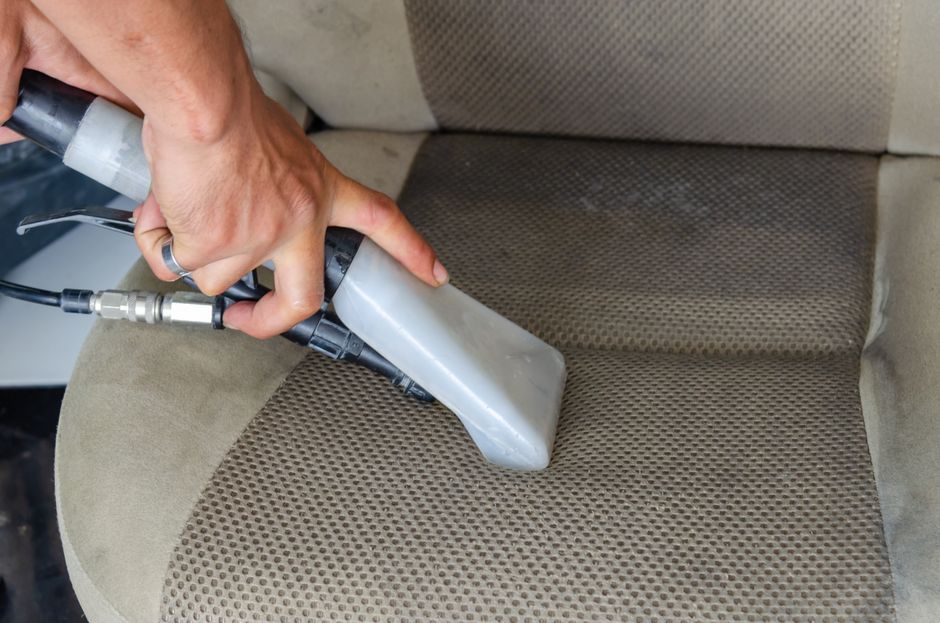
Fabric is the biggest odor sponge in any car. Start by vacuuming thoroughly using a brush attachment. Pay special attention to seams, crevices, and the space between the seat and the center console.
Next, use an upholstery cleaner or a DIY solution of warm water, a few drops of dish soap, and a tablespoon of white vinegar. Apply it with a microfiber cloth or soft brush, working it into the fabric. Do not soak the seats — excess moisture can cause mold. Blot with a clean towel and let everything dry with the windows open.
For severe cases, a steam cleaner is one of the most effective tools available. The heat penetrates fabric fibers and loosens tar residue that normal cleaning misses.
Leather and Vinyl Seats
Leather and vinyl are easier to clean but still trap smoke in their pores. Wipe them down with a pH-balanced leather cleaner, then follow with a conditioner. Avoid harsh household cleaners that can crack or discolor the material.
Hard Surfaces: Dashboard, Doors, and Console
Mix equal parts white vinegar and water in a spray bottle. Wipe down every hard surface, including:
- Dashboard and instrument panel
- Steering wheel and gear shift
- Door panels and armrests
- Seat belts (extend them fully and wipe both sides)
- Window interiors and sun visors
Vinegar neutralizes nicotine residue and evaporates without leaving a chemical smell. For stubborn tar films, use a dedicated automotive interior cleaner.
Step 3: Clean the Headliner Carefully
The headliner is often overlooked, yet it absorbs a huge amount of smoke because hot air rises. Use a minimally damp microfiber cloth with a mild cleaner and gently dab — never scrub, as headliner fabric tears easily. Work in small sections and let it air dry.
Step 4: Treat the Ventilation System
Your AC system recirculates air through the cabin, so smoke particles settle inside the ducts and on the evaporator coil. To address this:
- Replace the cabin air filter (as noted above).
- Run the fan on high with the windows down for 10 minutes.
- Use an automotive duct cleaning spray or a fogger designed to neutralize odors in the HVAC system.
- Consider a professional ozone treatment or enzyme fogging service for extreme cases.
Step 5: Absorb Remaining Odors Naturally
After cleaning, place odor absorbers inside the car for several days:
| Method | How to Use | Effectiveness |
|---|---|---|
| Activated charcoal bags | Place on seats and floor | High |
| Baking soda | Sprinkle on carpet, sit overnight, vacuum | Medium-High |
| Coffee grounds | Leave in open containers | Medium |
| White vinegar bowls | Leave overnight with windows cracked | Medium |
These natural absorbers pull lingering molecules out of the air. Replace them every few days until the smell is gone.
Step 6: Use a Car Air Purifier for Long-Term Freshness
Even after a thorough cleaning, trace amounts of smoke can remain deep in the upholstery and vents. This is where a car air purifier becomes essential. A quality purifier with a HEPA filter and activated carbon layer captures fine particles, smoke residue, and VOCs that continue to off-gas for weeks.
Look for these features:
- HEPA filtration: Traps particles as small as 0.3 microns, including smoke.
- Activated carbon: Absorbs odors and harmful gases.
- Ionizer or plasma technology: Breaks down odor molecules at a molecular level.
- Quiet operation: So it does not distract you while driving.
Run the purifier continuously for the first week after cleaning, then keep it on during daily commutes. It prevents new odors from building up and keeps the cabin smelling neutral.
Step 7: Prevent the Smell From Coming Back
Permanent removal also means changing habits:
- Never smoke inside the car — even with the window down, residue accumulates.
- Use a sunshade and crack windows slightly when parked to reduce heat buildup that reactivates odors.
- Clean spills and crumbs promptly.
- Replace your cabin air filter every 12,000 to 15,000 miles.
- Keep the air purifier running regularly.
How Long Does It Take to Remove Cigarette Smell?
Light smoke odor may disappear after one deep clean and a few days of air purification. Heavy, years-long smoke exposure can take two to four weeks of repeated cleaning, ventilation, and purifier use. In extreme cases, replacing the cabin filter, carpets, or headliner may be necessary. Patience and consistency matter more than any single product.
Final Thoughts
Removing cigarette smell permanently is not about masking the odor — it is about eliminating the tar, nicotine, and VOCs at their source. By cleaning every surface, treating the ventilation system, absorbing residual odors, and running a reliable car air purifier, you can restore your cabin to a fresh, healthy state. Follow these steps carefully, and your car will smell clean for good, not just for a day.
Suggested models
Browse all Purifiers often specified for this programme
Vent-Clip & Dashboard Air Purifiers
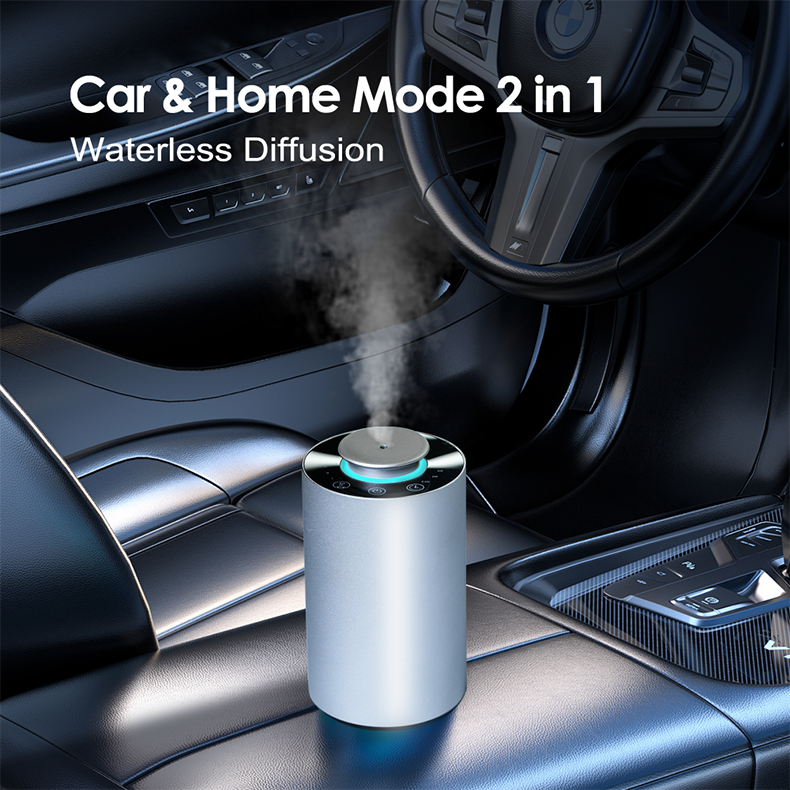 Vent-Clip & Dashboard Air Purifiers
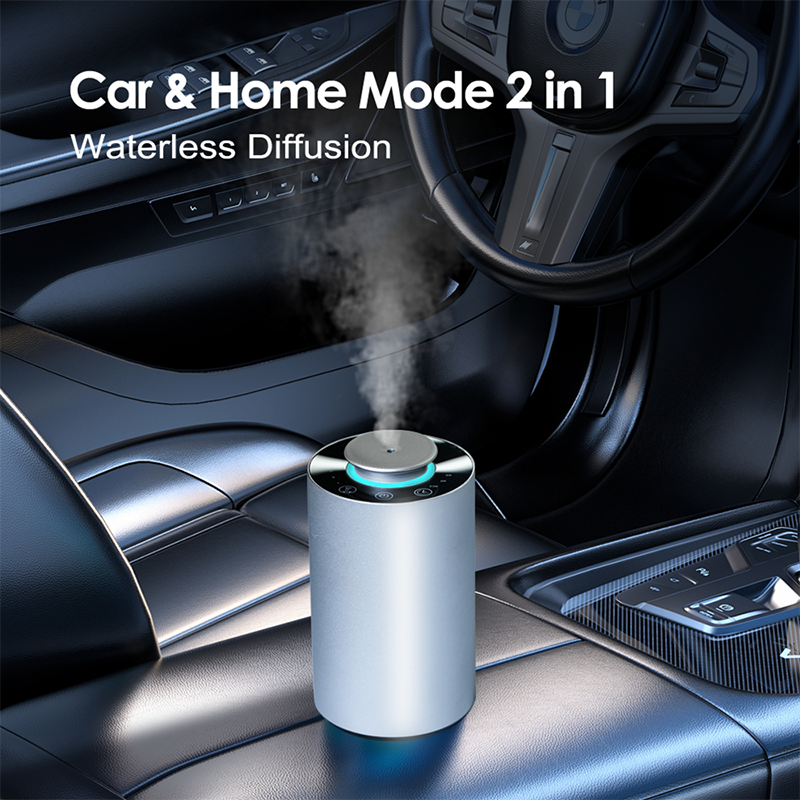 Cup-Holder Air Purifiers
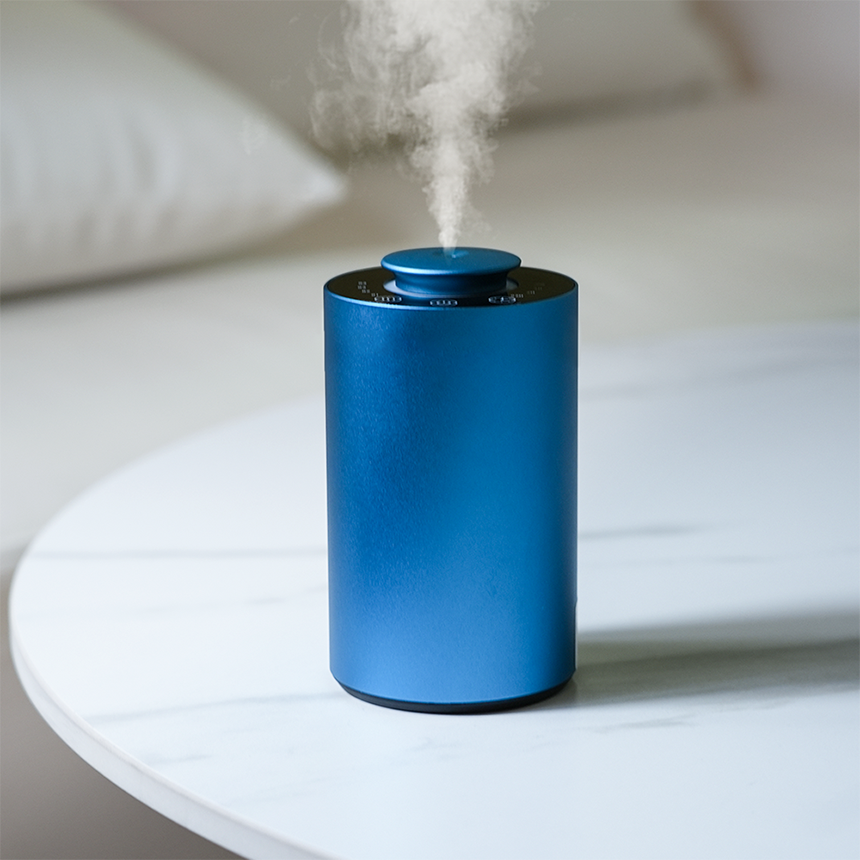 Cup-Holder Air Purifiers
More solutions
Other channels we build for
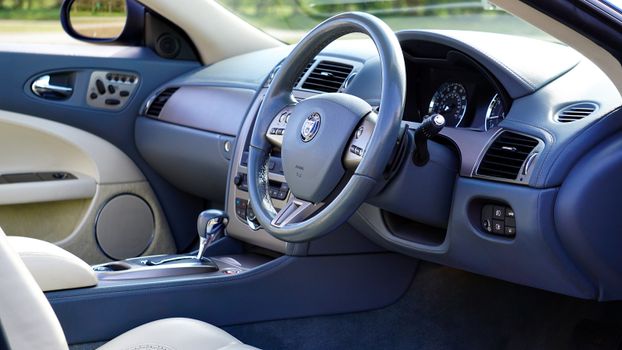
Cheap Car Air Purifiers That Actually Work in 2025
Discover 8 cheap car air purifiers that actually work in 2025. Affordable HEPA options for cleaner air on every drive. Find your best budget pick today!
View solution
Best 12V Car Air Purifiers for Truckers & Long Drives
Discover the best 12V car air purifiers for truckers and long drives. HEPA, carbon, and UV options compared for cleaner cab air. Find your perfect fit today!
View solution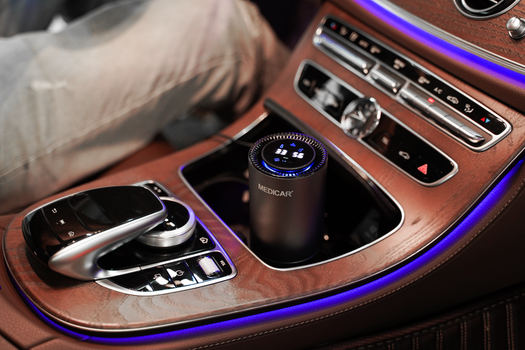
Are Ionic Car Air Purifiers Safe? Ozone Risks
Are ionic car air purifiers safe? Learn how ozone is produced, its health risks, and how to choose a safe, low-ozone car air purifier.
View solution