
 English
 简体中文
简体中文 Русский
 Español
 Deutsch
 Vent-Clip & Dashboard Air Purifiers
Solutions
Are Ionic Car Air Purifiers Safe? Ozone Risks
Are ionic car air purifiers safe? Learn how ozone is produced, its health risks, and how to choose a safe, low-ozone car air purifier.
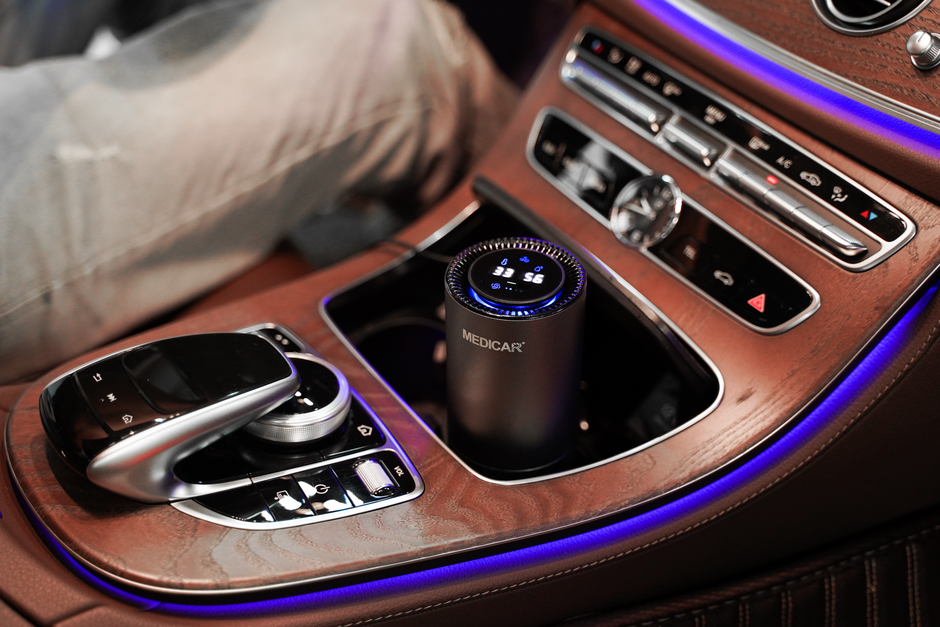
Are Ionic Car Air Purifiers Safe? Ozone Risks Explained
Walk down any automotive aisle or scroll through an online marketplace, and you'll find dozens of ionic car air purifiers promising fresher, cleaner cabin air. They're compact, affordable, and often marketed as maintenance-free. But a growing number of health experts and consumer agencies are raising a red flag about one specific byproduct: ozone. If you've ever wondered whether that little device plugged into your 12V socket is quietly doing more harm than good, this guide breaks down the science, the risks, and the practical steps you can take to protect yourself and your passengers.
What Is an Ionic Car Air Purifier?
An ionic car air purifier (sometimes called an ionizer or electrostatic purifier) works by generating negatively charged ions. These ions are released into the cabin air, where they attach to airborne particles such as dust, pollen, smoke, and pet dander. Because the particles become electrically charged, they clump together or stick to nearby surfaces — seats, dashboard, windows — instead of floating freely in the air you breathe.
This process is genuinely effective at removing certain types of particulate matter. The problem is not the ion generation itself; it's how many devices generate those ions. Many low-cost units use a technology called corona discharge, which produces ozone as an unintended byproduct.
How Ozone Is Created Inside Your Car
Corona discharge works by applying a high voltage across a sharp electrode. The electrical field splits oxygen molecules (O₂) into single oxygen atoms, some of which recombine into ozone (O₃). Ozone is a reactive gas with a distinct sharp, metallic smell — similar to the air after a lightning storm or near a photocopier.
Some manufacturers intentionally market ozone as a feature, claiming it "destroys odors and kills bacteria." While ozone does react with certain odor molecules and microorganisms, it does so at concentrations that are unsafe for human inhalation. This is the core of the ionic car air purifier safety debate.

The Health Risks of Ozone Exposure in Vehicles
Ozone is a known respiratory irritant. Because car cabins are small, enclosed spaces, any ozone produced inside them becomes concentrated quickly. The health effects depend on concentration and exposure duration, but even low levels can cause problems for sensitive individuals.
Short-Term Effects
- Coughing, wheezing, and throat irritation
- Chest tightness or shortness of breath
- Headaches and dizziness
- Eye, nose, and throat burning
- Reduced lung function, especially during exercise or deep breathing
Long-Term and Vulnerable Groups
Repeated exposure to elevated ozone levels is linked to chronic respiratory issues, worsened asthma, and increased susceptibility to lung infections. Certain groups are at higher risk:
- Children, whose lungs are still developing and who breathe faster than adults
- Older adults, who may have reduced lung capacity
- People with asthma, COPD, or allergies
- Pregnant women
- Anyone with cardiovascular conditions
Because drivers and passengers can spend hours per day in their vehicles, cumulative exposure is a legitimate concern — particularly for rideshare drivers, delivery workers, and commuters.
What Regulators and Health Agencies Say
Regulatory bodies have taken a clear position on ozone-generating air purifiers:
| Organization | Position on Ozone Generators |
|---|---|
| U.S. EPA | States that ozone generators are not always safe and do not effectively clean indoor air at safe levels |
| California CARB | Requires air purifiers sold in the state to emit less than 0.05 ppm ozone |
| FDA | Regulates ozone generators marketed as medical devices; sets limits for medical use |
| WHO | Recommends an 8-hour average ozone limit of 0.05 ppm for indoor air |
California's regulation is particularly useful for consumers because it created a certification list of compliant devices. If a car air purifier is CARB-certified, it has been tested to emit ozone below the 0.05 ppm threshold — a helpful benchmark when shopping.
Why Some Ionic Purifiers Are Safer Than Others
Not all ionizers are created equal. The key differentiator is the ion-generation method:
Corona Discharge (Higher Ozone Risk)
This is the cheapest and most common method. It relies on high-voltage electrical arcs and typically produces measurable ozone. Many budget car purifiers fall into this category, and some even advertise ozone output as a selling point.
Needlepoint / Carbon Fiber Ionization (Lower Ozone Risk)
These designs use fine carbon fiber brushes or needlepoints to generate ions with minimal electrical arcing. Ozone output is significantly lower — often below detectable thresholds — though quality varies by manufacturer.
Ionizers With Ozone Control or HEPA Hybrids
Some premium units combine ionization with HEPA filtration and include an ozone-reduction catalyst or an ozone-free certification. These are generally the safest ionic options available.
Practical Tips: How to Choose and Use an Ionic Car Air Purifier Safely
If you already own an ionic purifier or are considering buying one, follow these guidelines:
- Check for CARB certification. Look for a stated ozone emission rate below 0.05 ppm. If the manufacturer doesn't disclose it, be skeptical.
- Avoid devices that advertise ozone as a feature. Terms like "ozone generator," "activated oxygen," or "ozone boost" are red flags.
- Never run an ionizer in a closed car for extended periods. Ventilate by cracking a window or using your car's fresh-air setting.
- Don't use ionizers around asthma sufferers or young children. Choose HEPA-based purifiers instead for these passengers.
- Replace or clean the device as directed. A dirty ionizer can produce more ozone and fewer useful ions.
- Trust your nose. If you smell a sharp, metallic odor after running the purifier, it's likely producing ozone. Turn it off and ventilate immediately.
- Consider alternatives. HEPA cabin filters, activated carbon filters, and regular cabin filter replacement are proven, ozone-free ways to improve air quality.
Better Alternatives to Ozone-Generating Ionizers
If safety is your priority, these options deliver cleaner air without the ozone trade-off:
- HEPA car purifiers: Capture 99.97% of particles down to 0.3 microns with no ozone byproduct.
- Activated carbon filters: Absorb odors, VOCs, and some gases without generating ozone.
- Upgraded cabin air filters: Many vehicles accept high-efficiency carbon cabin filters that improve air quality every time you drive.
- Regular ventilation: Simply switching to fresh-air mode and cracking windows reduces CO₂ and pollutant buildup.
Frequently Asked Questions
Do all ionic car air purifiers produce ozone?
No. Ozone output depends on the ionization method and quality control. Corona discharge units typically produce the most ozone, while carbon fiber and needlepoint ionizers produce very little. Certification is the best way to verify.
Is a small amount of ozone actually harmful?
Ozone has no known safe threshold for inhalation. Even low concentrations can irritate the lungs, and health agencies recommend keeping indoor levels below 0.05 ppm. In a small car cabin, concentrations can rise quickly.
Can I smell ozone?
Many people can detect ozone at around 0.02–0.05 ppm, described as a sharp, clean, or metallic smell. If you notice it, the device is likely emitting more ozone than is advisable.
Are ionic purifiers banned anywhere?
They are not banned outright, but California and several other jurisdictions restrict ozone emissions from air purifiers. Devices exceeding 0.05 ppm cannot be legally sold in California.
The Bottom Line
Ionic car air purifiers can be safe — but only when they are designed to minimize ozone output and are used responsibly. The technology itself isn't inherently dangerous; the risk comes from cheap corona discharge units that generate ozone as a byproduct and from marketing that frames ozone as a benefit rather than a hazard.
Before you plug in any purifier, check its ozone emission rating, look for CARB certification, and consider whether a HEPA or carbon filter would serve you better. Your lungs — and your passengers' — will thank you. Cleaner cabin air shouldn't come at the cost of your respiratory health, and with the right device, it doesn't have to.
Suggested models
Browse all Purifiers often specified for this programme
Vent-Clip & Dashboard Air Purifiers
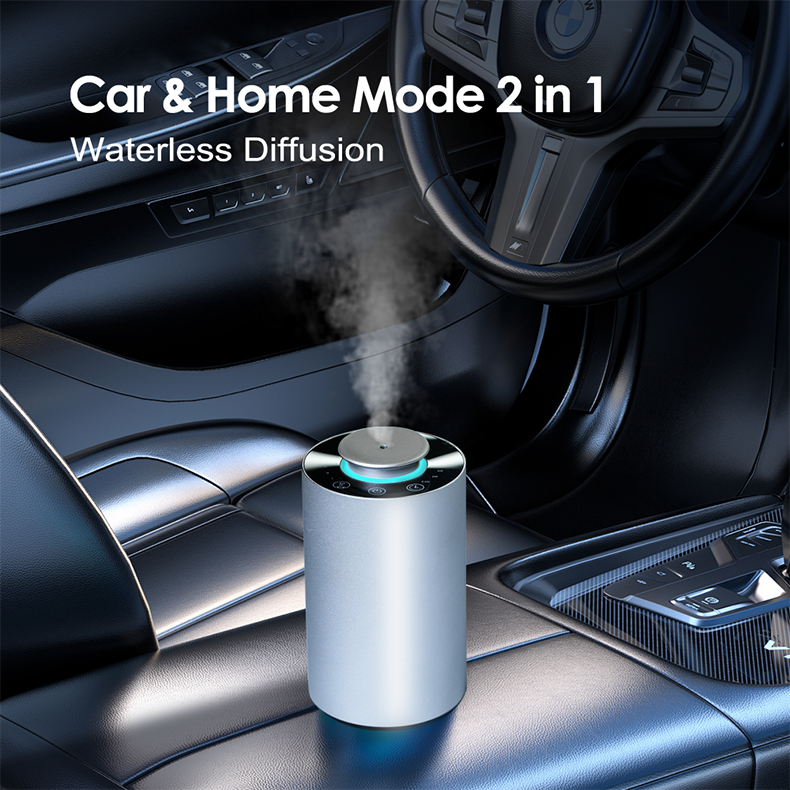 Vent-Clip & Dashboard Air Purifiers
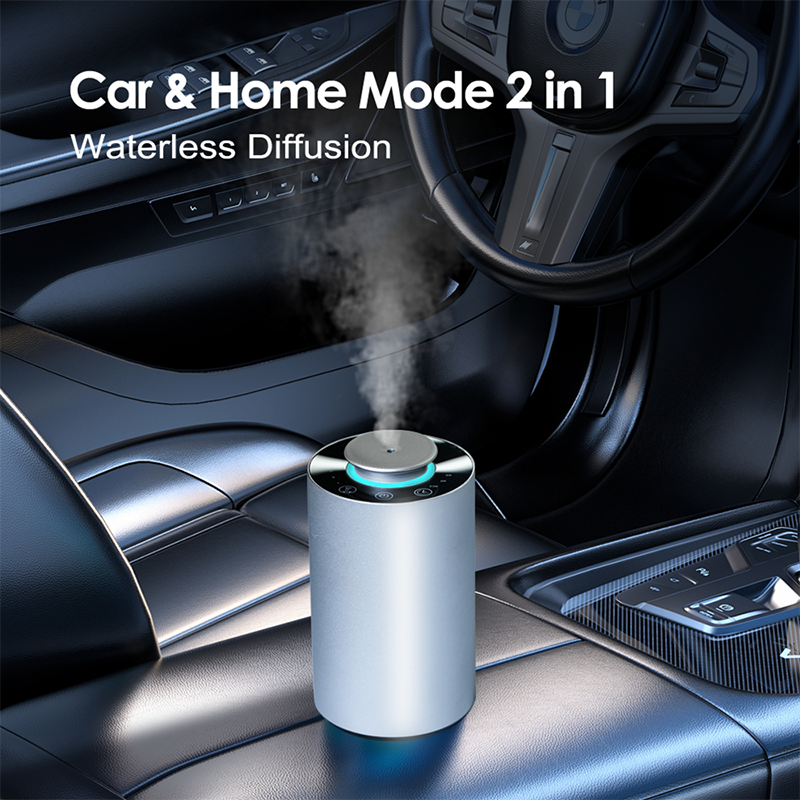 Cup-Holder Air Purifiers
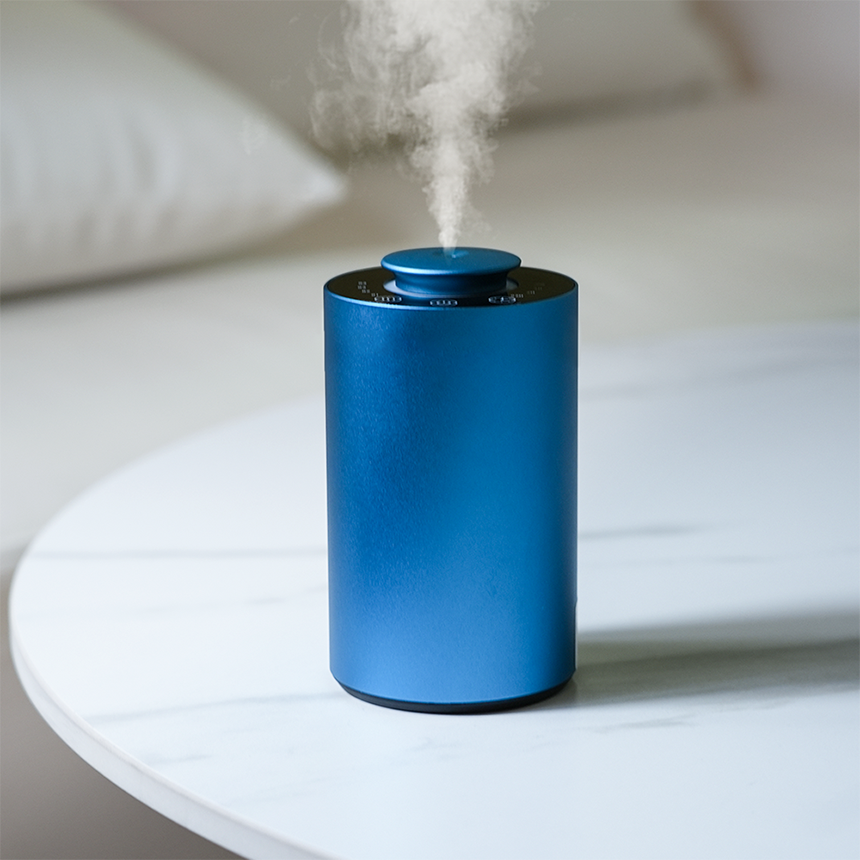 Cup-Holder Air Purifiers
More solutions
Other channels we build for
Car Air Purifier Installation: Step-by-Step Guide
Learn car air purifier installation step by step. Choose the right location, connect power safely, mount securely, and maintain clean cabin air. Read the guide!
View solution Are Ionic Car Air Purifiers Safe? Ozone Risks
Are ionic car air purifiers safe? Learn how ozone is produced, its health risks, and how to choose a safe, low-ozone car air purifier.
View solution
Car Air Purifier vs Cabin Air Filter: Which Do You Need?
Car air purifier vs cabin air filter: compare costs, features, and performance to decide which your car really needs. Find the best option for cleaner air.
View solution