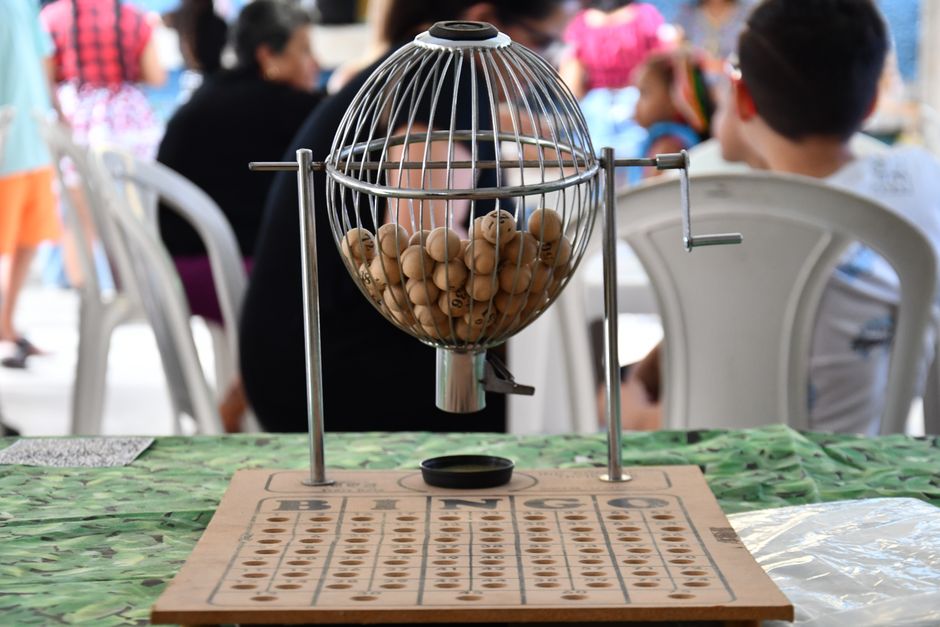
1. Understand What Makes a Bingo Machine Suitable for Large Events
Not every bingo machine is built for a crowd of hundreds or even thousands. When you are running bingo at a convention, a charity gala, a festival, or a stadium fundraiser, the equipment needs to handle high volume, loud environments, and fast-paced gameplay. A machine that works perfectly in a small community hall may struggle when 500 players are shouting "Bingo!" at once.
The key factors for large events are display visibility, audio output, ball capacity, and reliability. You need a machine with a large screen or projector output, a powerful speaker system, and a mechanism that can mix and dispense balls quickly without jams. Battery life or direct power options also matter if you are setting up in a temporary venue.
Before you buy or rent, estimate your audience size, the number of rounds you plan to play, and whether you need multiple simultaneous games. These answers will narrow down your options dramatically and help you avoid underpowered equipment on the big day.
2. Prioritize Display Size and Visibility for Every Seat
In a large venue, players in the back row must be able to see the called numbers clearly. Look for bingo machines that support external monitors, projectors, or LED walls. A built-in screen of 15 inches or more is a good baseline for medium crowds, but for arenas and theaters, you should choose a model with HDMI or VGA output so you can mirror the display onto a giant screen.
Contrast and font size matter as much as screen size. The best machines use bold, high-contrast numbers with a clean layout that shows the current ball, recent calls, and the game pattern. Some advanced models include a "last 10 calls" panel, which reduces confusion and keeps the game moving.
If your venue has poor lighting or a lot of ambient glare, consider a machine with adjustable brightness or an LED-based display. Testing the display from the farthest seat before the event starts is a simple step that prevents major disruptions later.
3. Choose a Machine With Powerful, Clear Audio
Audio is the unsung hero of large-scale bingo. A machine with a weak speaker will force you to repeat calls, slowing the game and frustrating players. Look for models with built-in amplifiers, external speaker jacks, or Bluetooth connectivity so you can connect to a venue's PA system.
Voice clarity is essential. The best machines use pre-recorded human voices or high-quality text-to-speech that pronounces numbers distinctly. Some models let you adjust pitch, speed, and volume, which is useful when you are calling in a room with heavy echo or background noise.
For very large crowds, a wireless microphone input is a valuable feature. It lets the caller repeat numbers or make announcements without shouting over the machine. Always run a sound check with the venue's audio technician at least an hour before doors open.
4. Evaluate Ball Capacity and Dispensing Speed
Large events often require multiple rounds with different ball sets. A machine with a 75-ball or 90-ball capacity is standard, but high-volume operations may benefit from models that support quick reloading or interchangeable ball chambers. The dispensing mechanism should be smooth and jam-resistant, even after hours of continuous use.
Speed matters when you have hundreds of players. Look for adjustable call intervals, typically ranging from 3 to 10 seconds. Faster intervals keep energy high, while slower intervals help players with limited dexterity or vision. The best machines let you switch speeds mid-game with a single button.
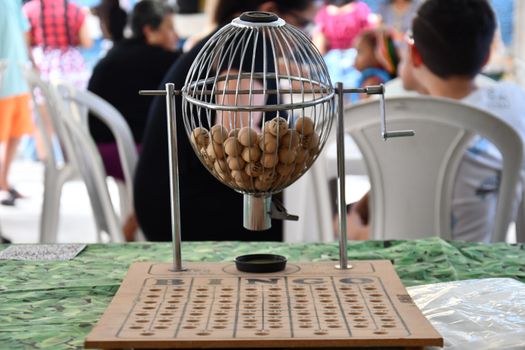
Also check the randomization method. Modern electronic machines use verified random number generators, while traditional blower-style machines physically mix balls. Both are acceptable, but electronic models are generally quieter and easier to integrate with digital displays.
5. Consider Portability and Setup Time
Large events often take place in venues that require quick setup and teardown. A bingo machine that weighs 30 pounds and fits in a carrying case is far easier to manage than a bulky console that needs a dedicated table and multiple cables. Look for integrated handles, wheels, or flight-case options.
Setup time is another critical factor. Machines with wireless connectivity, rechargeable batteries, and pre-loaded game patterns can be ready in minutes. If you are running multiple rooms or sessions, consider buying two or more compact units rather than one oversized system.
Check whether the machine includes a remote control or a mobile app for the caller. Remote operation lets you move around the stage, engage the audience, and manage the game without being tethered to the console.
6. Look for Customization and Game Variety
Large crowds expect variety. A machine that only supports standard 75-ball bingo may feel repetitive over a long event. Look for models with multiple game modes, including 90-ball, speed bingo, pattern bingo, and progressive jackpot rounds.
Customization extends to branding. Some machines let you upload logos, sponsor messages, or custom backgrounds to the display. This is a major advantage for corporate events and charity fundraisers, where sponsor visibility is part of the deal.
Check whether the machine supports multiple languages and number-calling styles. For international conferences or multicultural communities, this feature can make the difference between an inclusive event and a confusing one.
7. Compare Top Bingo Machine Options for Large Venues
Here is a quick comparison of popular machine types suited to large events. Use this table as a starting point, then verify current specs with the manufacturer or retailer.
| Machine Type | Best For | Display | Audio | Portability |
|---|---|---|---|---|
| Electronic Console | 1,000+ players | HDMI/projector output | PA-ready, Bluetooth | Medium |
| Blower-Style Classic | 200-500 players | Built-in LED board | Built-in speaker | High |
| Software + Projector Kit | Any size | Projector/LED wall | Venue PA system | Very high |
| Portable Digital Unit | 50-300 players | 10-15 inch screen | External speaker jack | Very high |
Each option has trade-offs. Electronic consoles offer the most features but cost more. Blower-style machines are nostalgic and durable but louder. Software kits are flexible but depend on venue infrastructure. Portable digital units are affordable and easy to transport but may lack advanced display options.
8. Test Reliability and Support Before You Commit
The last thing you want is a machine failure halfway through a charity bingo night. Before purchasing or renting, read reviews from event organizers, check the warranty length, and confirm the return policy. A one-year warranty is standard, but some manufacturers offer three years or more on commercial models.
Customer support matters too. Can you reach a technician on a Saturday night? Does the company provide spare parts and replacement balls? For recurring events, a maintenance plan may be worth the extra cost.
Finally, run a full dress rehearsal. Set up the machine, call several rounds, and test every feature you plan to use. This simple step catches problems early and ensures your large event runs smoothly from the first call to the final jackpot.