Why a Bingo Machine? Understanding the Basics
A bingo machine is the heart of any bingo game, whether you're running a charity event, a school fundraiser, a care home activity, or a professional bingo hall. It randomly selects numbers and displays them, ensuring fairness and excitement. But with so many options on the market, choosing the right machine can be overwhelming. This guide will walk you through everything you need to know to make an informed purchase.
Types of Bingo Machines
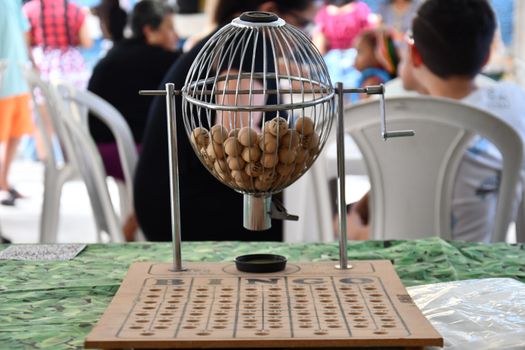
Manual Crank Machines
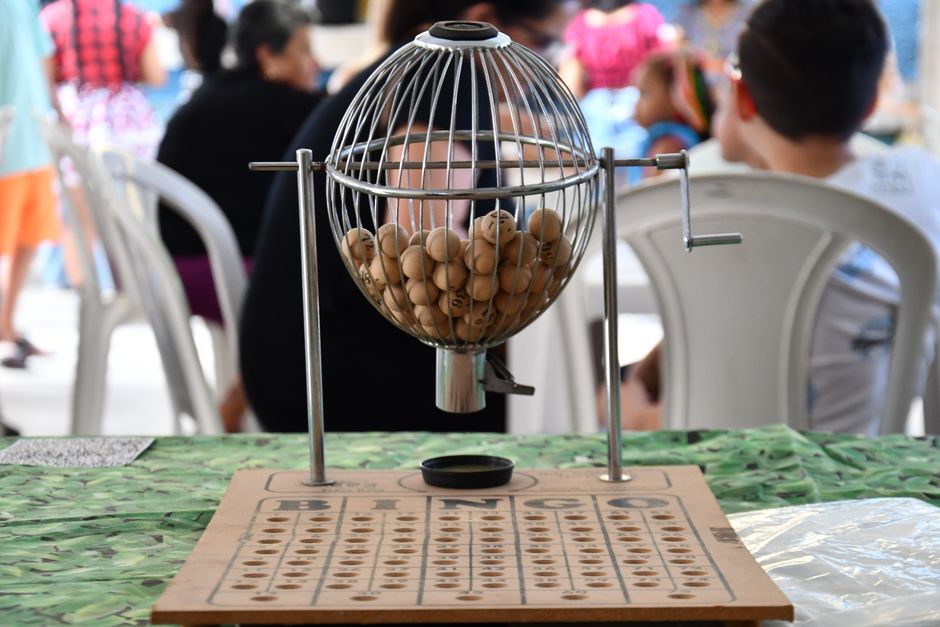
These traditional machines require you to turn a crank to mix the balls and release one into a display tray. They are durable, require no electricity, and offer a nostalgic feel. Ideal for small groups and budget-conscious buyers.
Electric Bingo Machines
Electric machines use a motor to mix and select balls automatically. They often come with features like automatic ball display, timers, and even digital screens. Perfect for larger events where speed and convenience matter.
Digital Bingo Machines
These are software-based systems that run on a computer or tablet. They generate random numbers electronically and can be projected onto a screen. Great for tech-savvy audiences and large-scale operations.
Key Features to Consider
| Feature | Why It Matters |
|---|---|
| Ball Size | Standard balls are 1.5 inches, but smaller or larger sizes affect readability and handling. |
| Number of Balls | Most games use 75 or 90 balls. Ensure the machine supports your preferred variant. |
| Display Type | Manual tray, LED board, or digital screen—choose based on visibility needs. |
| Speed Control | Adjustable speed helps manage game pace, especially with large crowds. |
| Portability | If you move between venues, consider weight and carrying case. |
| Power Source | Battery, electric, or manual—match to your venue's facilities. |
How to Choose the Right Bingo Machine for Your Needs
Assess Your Audience Size
For small groups (under 30), a manual or basic electric machine suffices. For medium groups (30-100), an electric machine with a large display is better. For large events (100+), invest in a digital system with projection capabilities.
Determine Your Budget
Manual machines start around $50, while professional digital systems can cost $1,000 or more. Set a budget but prioritize durability and reliability.
Consider the Venue
If you have limited power outlets, go manual or battery-operated. If you have a dedicated hall, a plug-in electric machine works well. For outdoor events, ensure the machine is weather-resistant or use a covered area.
Check for Accessibility
Ensure the machine is easy to operate for all ages. Large buttons, clear displays, and simple controls are essential for elderly participants.
Top Brands and Models
While we can't list every brand, some reputable names include Royal Bingo Supplies, Bingo Master, and Lucky Bingo. Look for machines with positive reviews and warranties. Online marketplaces like Amazon and specialized bingo retailers offer a wide range.
Maintenance and Care Tips
- Clean balls regularly with a soft cloth to prevent dirt buildup.
- Store in a dry, dust-free environment.
- Check electrical components for wear.
- Lubricate moving parts on manual machines annually.
- Keep spare balls and parts on hand.
Where to Buy
You can purchase bingo machines from:
- Online retailers (Amazon, eBay, specialty shops)
- Local party supply stores
- Directly from manufacturers
- Second-hand market (ensure it's in good condition)
Conclusion
Choosing a bingo machine doesn't have to be complicated. By understanding your needs, budget, and venue, you can find the perfect machine to elevate your bingo games. Whether you opt for a classic manual crank or a high-tech digital system, the right machine will bring joy and fairness to every game. Happy bingo!