Understanding Bingo Machine Pricing: An Overview
Whether you're launching a small community bingo night, upgrading an existing hall, or investing in a full-scale commercial bingo operation, one of the first questions you'll ask is: how much does a bingo machine cost? The answer isn't a single number — it depends on the type of machine, its features, the number of players it supports, and whether you're buying new or refurbished equipment. This guide breaks down the bingo machine price range in detail so you can budget confidently and choose the right system for your needs.
Bingo machines range from simple manual ball blowers costing under $100 to sophisticated electronic random number generators (RNGs) and networked systems that can exceed $20,000. Understanding the categories, features, and hidden costs will help you avoid overspending — or underbuying and limiting your operation's growth.
The Main Types of Bingo Machines
Before diving into prices, it helps to understand what you're actually shopping for. Bingo machines generally fall into four categories:
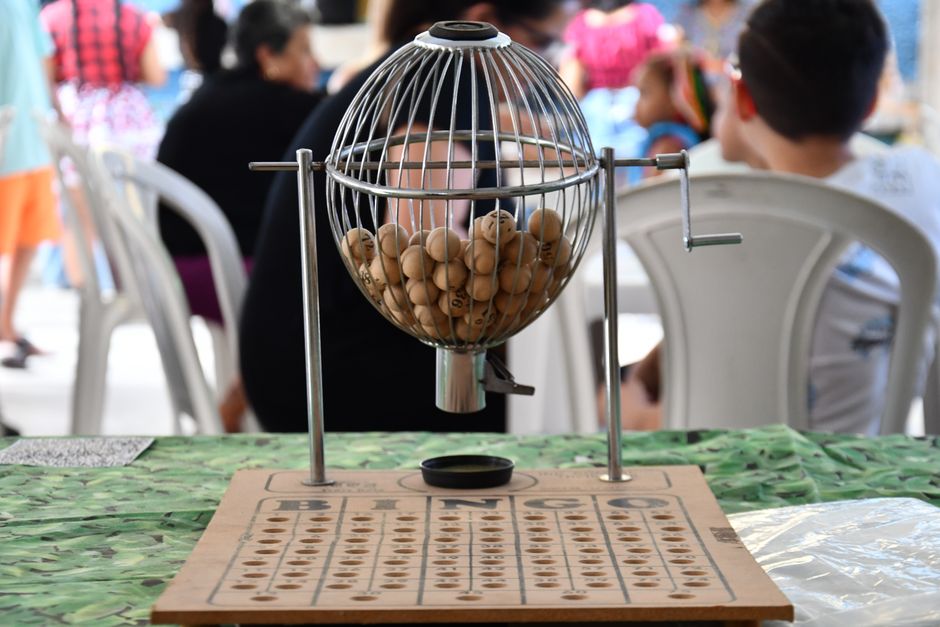
- Manual ball blowers (cage or rotary): Traditional mechanical machines where balls are mixed and drawn by hand or with a motorized blower. These are the most affordable option.
- Electronic bingo consoles: Digital systems that display called numbers on a screen, often with automated calling and verification. Popular in mid-sized halls.
- RNG-based bingo systems: Software-driven machines that generate random numbers electronically, often connected to player terminals.
- Networked/commercial bingo systems: Full-scale setups used by large bingo halls and casinos, supporting hundreds of players, multiple games, and integrated payout systems.
Bingo Machine Price Range by Category
Here's a practical breakdown of what you can expect to pay across the market. Prices vary by brand, condition, and included accessories.
| Machine Type | Typical Price Range (USD) | Best For |
|---|---|---|
| Basic manual ball blower | $50 – $300 | Home use, small charity events |
| Motorized rotary cage machine | $300 – $1,200 | Community centers, small halls |
| Electronic console with display | $1,000 – $3,500 | Mid-sized bingo halls |
| RNG software system (single station) | $2,000 – $8,000 | Modern halls, digital-first venues |
| Full commercial networked system | $8,000 – $25,000+ | Large halls, casinos, multi-room operations |
These figures are estimates for planning purposes. Custom configurations, branding, and multi-unit purchases can shift the numbers significantly in either direction.
What Drives the Price Up or Down?
1. Number of Players Supported
A machine designed for 50 players costs far less than one built for 500. Player capacity affects the size of the display, the speed of the draw mechanism, and the complexity of the verification system. If you expect growth, buying a system with headroom is usually cheaper than upgrading later.
2. Automation and Software Features
Automated calling, digital card verification, win validation, and reporting dashboards all add cost — but they also reduce labor and errors. A fully automated system can pay for itself in a busy hall by cutting staff time and disputes.
3. Build Quality and Materials
Commercial-grade machines use heavier materials, quieter motors, and more durable components. A $200 blower may be fine for monthly events, but a hall running nightly games needs equipment rated for continuous use.
4. Brand and Support
Established brands charge more but often include warranties, spare parts, and technical support. For commercial operations, support can be worth more than the initial savings from a no-name unit.
5. New vs. Refurbished vs. Used
Refurbished machines typically cost 30–50% less than new ones and can be an excellent value if bought from a reputable dealer. Used equipment from private sellers is cheaper still but carries higher risk of wear and missing parts.
Hidden Costs to Budget For
The sticker price is rarely the full story. When planning your bingo machine investment, account for these additional expenses:
- Balls and accessories: Extra ball sets, master boards, and card holders can add $50–$500.
- Displays and projectors: Large venues often need screens or projectors, adding $300–$2,000.
- Installation and setup: Professional installation may cost $200–$1,500 depending on complexity.
- Software licenses: RNG and networked systems often charge annual or monthly fees.
- Maintenance and repairs: Budget 5–10% of the purchase price annually for upkeep.
- Training: Staff need to learn the system; some vendors charge for training sessions.
How to Choose the Right Bingo Machine for Your Budget
Start with your audience size and game frequency. A charity hosting four events a year doesn't need a $15,000 networked system — a $600 motorized machine will do the job beautifully. Conversely, a commercial hall running nightly games will lose money with a flimsy blower that jams mid-session.
Consider these practical tips:
- Buy for your busiest night, not your average night. Equipment should handle peak demand without failure.
- Prioritize reliability over flashy features. A dependable mid-range machine beats a feature-packed unit that breaks down.
- Ask about warranties and spare parts availability. This is especially important for electronic systems.
- Request a demo. Reputable vendors will let you test the machine or provide video demonstrations.
- Compare total cost of ownership. A cheaper machine with expensive maintenance may cost more over five years.
New vs. Used: Which Offers Better Value?
New machines come with warranties, current software, and no wear. Used machines save money upfront but may need repairs, lack support, and run outdated software. For most commercial buyers, refurbished equipment from a certified dealer offers the best balance: lower price, tested performance, and some form of guarantee.
If you buy used, inspect the machine in person or request detailed photos and a video of it in operation. Check the motor, cage, ball condition, and any electronic components. Ask how many hours it has run and whether it has been serviced.
Financing and Leasing Options
If a full commercial system is out of reach, leasing can spread the cost over 24–60 months. Some vendors offer financing plans, and leasing may include maintenance and upgrades. This is common for casinos and large halls that want to preserve capital. Always compare the total lease cost against buying outright.
Final Thoughts: Matching Price to Purpose
The bingo machine price range is wide because the market serves very different needs. A home player might spend $100, while a commercial hall invests $20,000 or more. The key is matching the machine to your player count, game frequency, and long-term goals. Focus on reliability, support, and total cost of ownership rather than the lowest sticker price. With careful planning, you'll find a bingo machine that delivers years of smooth, profitable games — and keeps your players coming back.