
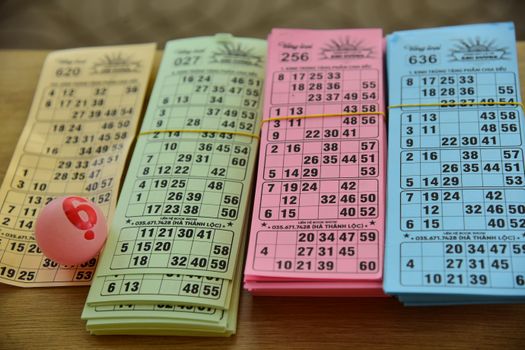

Digital Bingo Machine vs Physical: Pros and Cons
Bingo has come a long way from the days of hand-cranked wire cages and numbered wooden balls. Today, operators, event planners, and even casual players face a genuine choice: stick with a traditional physical bingo machine or switch to a digital bingo machine. Each option has passionate defenders, and the right answer depends on your venue, budget, audience, and long-term goals. This guide breaks down the pros and cons of both, compares them side by side in tables, and ends with a clear recommendation.

What Is a Physical Bingo Machine?
A physical bingo machine is a mechanical device that mixes and dispenses numbered balls. It may be a classic gravity-fed cage, a blower-style unit that shoots balls through a tube, or a hand-cranked rotary drum. The caller physically draws each ball, reads the number aloud, and places it on a master board. Players mark paper cards or reusable shutter cards.
Key Features of Physical Machines
- Tangible, audible experience with real balls and a visible draw
- No electricity required for hand-cranked models
- Easy for older audiences to understand instantly
- Low maintenance beyond occasional cleaning and ball replacement
- Wide price range, from budget tabletop units to large hall machines
Pros of a Physical Bingo Machine
- Transparent draws. Players see every ball fall or roll, which builds trust in fairness.
- No technical failures. No Wi-Fi drops, software crashes, or battery issues mid-game.
- Social atmosphere. The clatter of balls and the caller's voice create nostalgia and energy.
- Simple setup. Plug in or crank, and you are ready in minutes.
- Accessible to all ages. No screens or apps needed for players.
Cons of a Physical Bingo Machine
- Human error. Callers can misread numbers or forget to update the master board.
- Limited scalability. Running multiple halls or online games simultaneously is difficult.
- Manual record-keeping. Tracking winners and verifying claims takes time.
- Wear and tear. Balls crack, cages jam, and motors eventually fail.
- No digital integration. Cannot easily sync with apps, streaming, or online players.
What Is a Digital Bingo Machine?
A digital bingo machine is software, often paired with a screen, tablet, or projector, that randomly generates numbers using a certified random number generator (RNG). It can run on a laptop, a dedicated console, or a cloud platform, and it often handles card validation, winner verification, and display automatically.
Key Features of Digital Machines
- RNG-based draws with optional audit logs
- Large screen display of called numbers and history
- Automatic winner detection for digital cards
- Multi-room and online play support
- Customizable speed, themes, and voice calling
Pros of a Digital Bingo Machine
- Accuracy and fairness. Certified RNGs remove human error from the draw.
- Scalability. Run dozens of games or thousands of players from one system.
- Automation. Winner checks, prize tracking, and reporting happen instantly.
- Flexibility. Change game formats, patterns, and speed with a few clicks.
- Online reach. Stream games to remote players and integrate with payment systems.
Cons of a Digital Bingo Machine
- Technical dependence. Power outages, internet issues, or bugs can halt play.
- Learning curve. Staff and older players may need training.
- Less tactile charm. Some audiences miss the physical balls and caller banter.
- Upfront cost. Screens, licenses, and subscriptions add up.
- Perceived fairness concerns. Players unfamiliar with RNGs may question randomness.
Side-by-Side Comparison
| Feature | Physical Bingo Machine | Digital Bingo Machine |
|---|---|---|
| Draw method | Mechanical balls | Certified RNG software |
| Setup time | 5–15 minutes | 10–30 minutes plus device checks |
| Fairness transparency | Visible to all players | Depends on audit logs and certification |
| Scalability | Single room | Unlimited rooms and online players |
| Human error risk | Moderate to high | Very low |
| Ongoing cost | Low (occasional repairs) | Subscriptions, licenses, hardware |
| Player accessibility | Excellent for all ages | Requires basic tech comfort |
| Online integration | None | Native |
| Atmosphere | Nostalgic and social | Modern and customizable |
| Maintenance | Cleaning, ball and motor replacement | Software updates and backups |
Cost Comparison at a Glance
| Cost Factor | Physical Machine | Digital Machine |
|---|---|---|
| Upfront hardware | $50–$1,500 | $300–$3,000+ |
| Software/licensing | $0 | $20–$200 per month |
| Maintenance per year | $20–$100 | $100–$500 |
| Staff training | Minimal | Moderate |
| Revenue potential | Limited to venue size | Unlimited via online play |
Which Should You Choose?
There is no universal winner, but there is a clear best fit for most scenarios.
- Choose a physical bingo machine if you run small community events, care homes, or charity nights where simplicity, nostalgia, and zero technical risk matter most.
- Choose a digital bingo machine if you operate a commercial hall, want to host online games, need airtight fairness records, or plan to scale.
- Choose a hybrid setup if you want the best of both: a physical ball draw for on-site players plus digital cards and a screen for verification and remote players.
Our Recommendation
For most modern operators, a digital bingo machine is the stronger long-term investment. It eliminates caller error, scales effortlessly, supports online revenue, and provides the audit trail that regulators and players increasingly expect. That said, do not discard the physical experience entirely. A hybrid approach, where a physical draw feeds a digital display and card system, preserves the charm that keeps loyal players coming back while unlocking the efficiency and reach of modern software.
If your budget is tight or your audience is firmly traditional, a well-maintained physical machine remains a perfectly valid choice. But if growth, accuracy, and online potential are on your roadmap, go digital, and consider adding a physical draw element for atmosphere.