Why Proper Cleaning of a Bingo Machine Matters
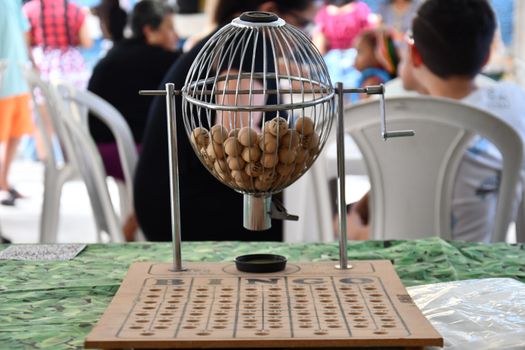
A bingo machine is more than just a game accessory — it is the heartbeat of any bingo hall, community center, or family game night. Whether you operate a commercial bingo hall with electronic blower machines or own a classic rotary cage for home use, keeping the equipment clean is essential for hygiene, performance, and longevity. Dust, oil from fingers, and airborne particles can clog the ball track, cause jams, and even lead to inaccurate draws. In this comprehensive guide, we will walk you through the proper steps to clean a bingo machine safely and effectively, covering everything from daily wipe-downs to deep internal maintenance.
Regular cleaning not only protects your investment but also ensures fair play and a positive experience for players. A well-maintained bingo machine runs smoothly, looks professional, and lasts for years. Let's dive into the details.
Understanding Your Bingo Machine's Components
Before you start cleaning, it's important to know what you're dealing with. Bingo machines come in various designs, but most share common components:
- Ball chamber or cage: Where the balls are mixed and drawn.
- Ball track or chute: The path the balls travel to the display area.
- Display board: Shows the drawn numbers, often electronic.
- Control panel: Buttons, switches, and sometimes a keypad.
- Outer casing: Usually plastic, metal, or wood.
- Balls: Typically made of plastic or rubber, often with printed numbers.
Each component requires a specific cleaning approach. Using the wrong method can damage sensitive electronics or scratch surfaces. Always consult your machine's manual for manufacturer-specific recommendations.
Gathering the Right Cleaning Supplies
Using the correct tools and solutions is half the battle. Here's what you'll need:
- Microfiber cloths (lint-free)
- Soft-bristle brush or vacuum with brush attachment
- Isopropyl alcohol (70% or less) or electronic-safe cleaning wipes
- Mild dish soap and warm water
- Cotton swabs for tight spaces
- Compressed air can (for hard-to-reach areas)
- Plastic-safe polish or UV protectant (optional)
Warning: Never use abrasive cleaners, ammonia-based products, or excessive moisture on electronic parts. These can cause corrosion or short circuits.
Step-by-Step Cleaning Process
1. Power Down and Unplug
Safety first. Turn off the machine and disconnect it from any power source. If your machine uses batteries, remove them. This prevents accidental activation and electric shock.
2. Remove and Clean the Bingo Balls
The balls are the most handled part of the machine, so they accumulate oils and dirt quickly. Remove all balls from the chamber. In a bowl, mix a few drops of mild dish soap with warm water. Gently wash each ball, then rinse thoroughly and dry with a soft cloth. For electronic machines, ensure balls are completely dry before returning them, as moisture can damage sensors.
Inspect balls for cracks or faded numbers. Replace any damaged balls to maintain fair play.
3. Clean the Ball Chamber and Track
Use a soft-bristle brush or vacuum brush attachment to remove dust and debris from the chamber and track. For sticky residue, dampen a microfiber cloth with isopropyl alcohol and wipe carefully. Avoid pouring liquid directly into the machine. For rotary cages, wipe each spindle and the inner ring. For blower machines, check the air vents and remove any obstructions.
4. Wipe Down the Exterior
Mix a small amount of mild dish soap with warm water. Dampen a microfiber cloth (not dripping wet) and wipe the outer casing. For stubborn stains, use a plastic-safe cleaner. Dry immediately with a separate cloth to prevent water spots. If your machine has a wooden finish, use a wood-safe polish instead.
5. Clean the Display and Control Panel
Electronic displays and control panels are sensitive. Use a dry microfiber cloth or a screen-safe wipe. For buttons and switches, use a cotton swab lightly dampened with isopropyl alcohol. Never spray cleaner directly onto the panel; apply to the cloth first. Be gentle around seams to avoid liquid ingress.
6. Deep Clean Internal Mechanisms (Periodically)
Every few months, depending on usage, perform a deeper clean. If you're comfortable, open the machine according to the manual. Use compressed air to blow out dust from motors, gears, and sensors. For rotary machines, apply a small amount of silicone lubricant to moving parts (avoid oil-based lubricants that attract dust). If unsure, consult a professional technician.
7. Reassemble and Test
Once everything is dry, reassemble the machine, reload the balls, and power it on. Run a few test draws to ensure smooth operation. Listen for unusual noises and check that balls are properly detected.
Daily, Weekly, and Monthly Maintenance Schedule
Consistency is key. Here's a suggested maintenance routine:
| Frequency | Tasks |
|---|---|
| Daily | Wipe exterior with dry cloth; check for visible dust; ensure balls are free of debris. |
| Weekly | Clean balls with mild soap; wipe control panel; vacuum vents. |
| Monthly | Deep clean ball chamber and track; inspect for wear; lubricate moving parts if needed. |
| Quarterly | Professional inspection; replace worn balls; clean internal electronics with compressed air. |
Common Cleaning Mistakes to Avoid
- Using too much liquid: Moisture is the enemy of electronics. Always wring out cloths thoroughly.
- Spraying directly on surfaces: This can cause liquid to seep into crevices. Spray onto a cloth first.
- Using harsh chemicals: Bleach, ammonia, and abrasive cleaners can damage plastic and printed numbers.
- Neglecting the balls: Dirty balls transfer grime to the machine and affect randomness.
- Skipping the manual: Every machine is different. Follow manufacturer guidelines.
Tips for Keeping Your Bingo Machine Clean Longer
- Place the machine in a dust-free area, away from windows or vents.
- Use a dust cover when not in use.
- Ask players to sanitize hands before touching the machine or balls.
- Keep food and drinks away from the machine.
- Replace worn balls promptly to prevent plastic dust.
When to Call a Professional
If your machine malfunctions after cleaning, or if you notice persistent jamming, strange noises, or electrical issues, it's time to call a professional. Attempting to repair complex electronics without training can void warranties and cause further damage. A certified technician can perform deep cleaning and maintenance safely.
Conclusion
Cleaning your bingo machine properly is a straightforward but vital task. By following this guide, you'll ensure your machine remains in top condition, providing reliable and enjoyable games for years to come. Remember to clean regularly, use the right supplies, and never rush the process. A clean bingo machine is a happy bingo machine — and happy players keep coming back.