
1. New EPA-Registered Formulations Dominate 2024 Product Launches
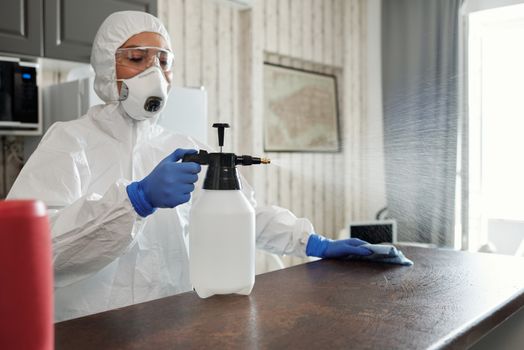
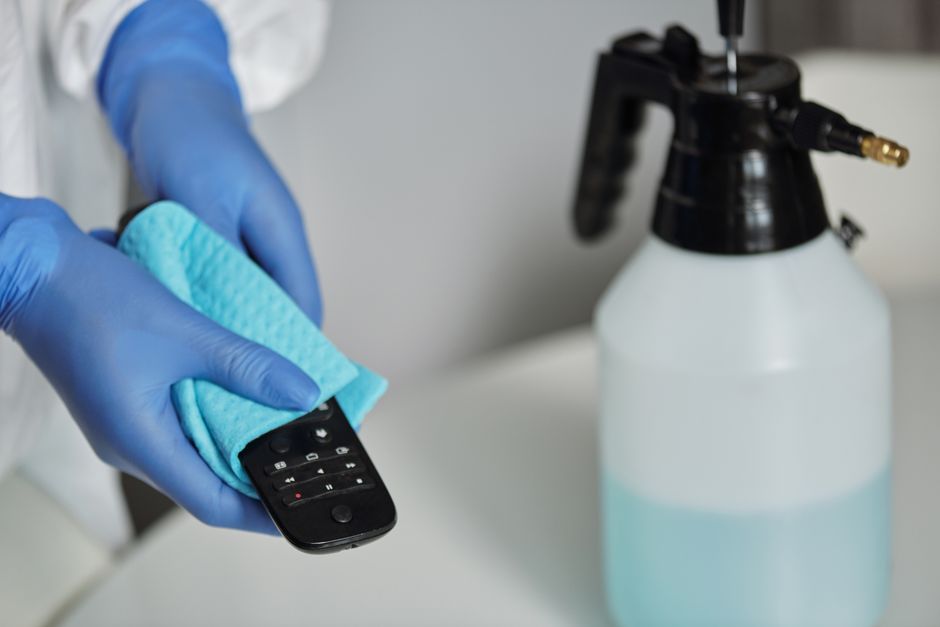
Leading disinfectant manufacturers spent much of 2024 racing to bring EPA-registered formulations to market, and the results are impressive. Companies such as Reckitt, Clorox, and Ecolab have introduced next-generation quaternary ammonium and accelerated hydrogen peroxide (AHP) products that promise faster kill times, broader efficacy claims, and improved surface compatibility. The regulatory pipeline has been unusually active, with dozens of new registration approvals issued since January.
What sets these 2024 launches apart is the emphasis on residual efficacy. Several new products now carry EPA claims for continuous protection lasting up to 24 hours after application, a major step forward for high-traffic facilities like schools, gyms, and airports. Formulators are achieving this through encapsulated actives that release slowly across the treated surface.
For procurement teams, the practical takeaway is clear: request updated efficacy data sheets and confirm that new claims are backed by EPA registration numbers. Many legacy products are being quietly reformulated, so spec sheets from 2023 may no longer reflect what is shipping today.
2. Sustainability Mandates Reshape Disinfectant Chemistry
Sustainability moved from marketing buzzword to boardroom mandate in 2024. Major buyers, including hospital networks and global hotel chains, are now writing biodegradability and reduced-packaging requirements directly into their disinfectant contracts. In response, manufacturers are reformulating away from harsh chlorine bleach where possible and toward citric acid, lactic acid, and thymol-based actives.
Concentrates are also having a moment. Shipping concentrated disinfectant and diluting on-site cuts plastic waste by up to 80 percent and reduces freight emissions substantially. Companies like Diversey and Spartan Chemical have expanded their closed-loop dilution systems, which also improve worker safety by eliminating manual mixing errors.
The catch is that greener chemistry sometimes means longer dwell times or narrower material compatibility. Buyers should test eco-friendly options on their specific surfaces and train staff on updated contact times, which can range from one to ten minutes depending on the pathogen and product.
3. Healthcare-Acquired Infection Data Drives Hospital Purchasing
New surveillance data released in 2024 shows that healthcare-acquired infections (HAIs) remain a costly and persistent problem, with some pathogens showing increased resistance to standard disinfection protocols. This has pushed hospital procurement toward sporicidal products with proven efficacy against C. difficile and Candida auris.
Hospitals are increasingly demanding third-party validation, not just manufacturer claims. Products validated by independent labs against EPA's emerging viral pathogen guidance and ASTM standard test methods are winning contracts. Several disinfectant companies have responded by publishing full efficacy dossiers online, a transparency trend worth watching.
Another shift: hospitals are consolidating their disinfectant suppliers to simplify training and compliance. Instead of juggling a dozen products, many facilities now standardize on one or two systems covering daily, terminal, and outbreak-level cleaning.
4. Automation and UV-C Technology Gain Commercial Traction
Automated disinfection is no longer experimental. In 2024, UV-C robots, electrostatic sprayers, and hydrogen peroxide vapor systems moved into mainstream commercial use across airports, stadiums, and hospitals. Disinfectant companies are partnering with robotics firms rather than competing with them, bundling chemical products with automated delivery hardware.
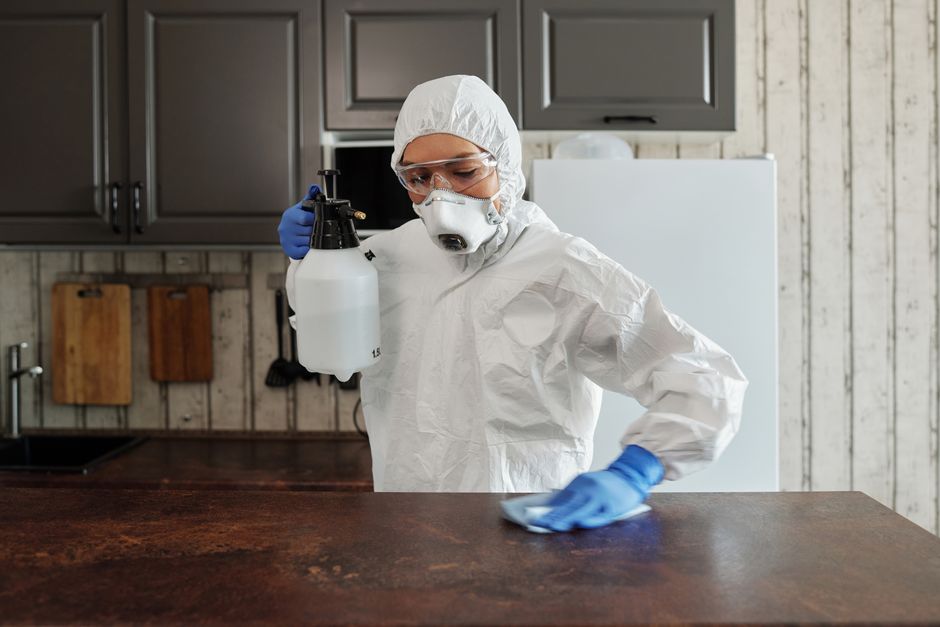
Electrostatic spraying, in particular, has seen rapid adoption because it coats surfaces evenly with less solution. Manufacturers report 30 to 50 percent reductions in chemical usage when customers switch from trigger sprayers to electrostatic systems, a compelling ROI story as input costs rise.
However, automation does not replace manual cleaning. Biofilms and heavy soil still require mechanical action. The industry consensus in 2024 is a hybrid model: pre-clean manually, then apply disinfectant via automated systems for consistent coverage and documented compliance.
5. Supply Chain Resilience Becomes a Competitive Advantage
After years of disruption, disinfectant companies invested heavily in supply chain resilience throughout 2024. Domestic and nearshore manufacturing of key actives, including quats and hypochlorous acid, expanded significantly in North America and Europe. This reduces dependence on single-region suppliers and shortens lead times for critical products.
Companies are also stockpiling strategic raw materials and dual-sourcing packaging components. Some have introduced regional formulation strategies, allowing plants to substitute equivalent ingredients based on local availability without triggering new regulatory registrations.
For buyers, the lesson is to ask suppliers about their contingency plans. In 2024, the most reliable vendors are those who can document multiple active-ingredient sources, redundant manufacturing sites, and transparent inventory visibility.
6. Regulatory Changes You Need to Track This Year
Regulation never sleeps, and 2024 brought several important updates. The EPA continued its review of antimicrobial pesticides under the Federal Insecticide, Fungicide, and Rodenticide Act (FIFRA), with new requirements for efficacy testing and labeling clarity. Meanwhile, the European Chemicals Agency advanced restrictions on certain quaternary ammonium compounds, prompting reformulation across the EU market.
In the United States, state-level rules are multiplying. California and New York have proposed stricter ingredient disclosure requirements for institutional cleaning products, and several states now mandate Safer Choice certification for school purchases.
Compliance teams should audit their product portfolios against current labels at least twice a year. Outdated labels create liability risks and can disqualify a product from regulated procurement contracts.
7. What These 2024 Updates Mean for Your Business
The through-line across all these developments is consolidation of value: buyers want products that are effective, sustainable, compliant, and supported by automation and reliable supply. Disinfectant companies that deliver on all four fronts are pulling ahead of competitors still competing on price alone.
For facility managers and procurement leaders, the action items are practical. Update your approved product lists, retrain staff on new dwell times and dilution ratios, and build relationships with suppliers who can prove their claims with data.
Looking ahead to 2025, expect continued innovation in residual protection, greener actives, and digital compliance tools. The companies that treat disinfection as a data-driven operational system rather than a commodity purchase will be best positioned for whatever the next regulatory and public-health cycle brings.