
Introduction to EPA Approved Disinfectants
When it comes to killing germs, viruses, and bacteria on surfaces, not all disinfectants are created equal. In the United States, the Environmental Protection Agency (EPA) regulates disinfectants as pesticides under the Federal Insecticide, Fungicide, and Rodenticide Act (FIFRA). This means that any product making public health claims—such as "kills 99.9% of germs" or "effective against SARS-CoV-2"—must be registered with the EPA. The EPA Approved Disinfectants List, often referred to as List N for emerging viral pathogens, is a critical resource for businesses, healthcare facilities, and households aiming to ensure effective and safe disinfection.
Understanding how to navigate this list, what it includes, and how to choose the right product can be overwhelming. This comprehensive guide will walk you through everything you need to know about EPA-approved disinfectants, from the science behind their approval to practical tips for selecting and using them correctly.
What Is the EPA Approved Disinfectants List?
The EPA maintains several lists of registered antimicrobial products, each targeting specific pathogens. The most well-known is List N: Disinfectants for Coronavirus (COVID-19), which includes products that meet the EPA's criteria for killing SARS-CoV-2. Other lists address pathogens like Mycobacterium tuberculosis, norovirus, and Candida auris.
These lists are not static; they are updated regularly as new products are registered or as new efficacy data becomes available. Each product on the list has an EPA Registration Number (EPA Reg. No.) and often an EPA Establishment Number, which indicate that the product has undergone rigorous testing and review.
How Does a Disinfectant Get on the List?
To be included, a manufacturer must submit efficacy data from laboratory tests performed according to EPA-approved protocols. These tests demonstrate that the product can kill or inactivate the target pathogen on hard, non-porous surfaces. The EPA reviews the data and, if satisfactory, grants registration. For emerging pathogens like SARS-CoV-2, the EPA uses a streamlined process called the Emerging Viral Pathogens guidance, which allows products already registered for similar viruses to make claims against the new pathogen.
Key Criteria for EPA Approval
Not every antimicrobial product qualifies for the EPA list. The agency evaluates several factors:
- Efficacy: The product must demonstrate a ≥99.9% reduction (3-log10) of the target pathogen in specified conditions. For some pathogens, a higher kill rate may be required.
- Safety: The product must not pose unreasonable risks to human health or the environment when used according to label directions.
- Chemistry: The active ingredients must be approved for use in disinfectants. Common actives include quaternary ammonium compounds (quats), hydrogen peroxide, sodium hypochlorite (bleach), and alcohols.
- Labeling: The product label must include directions for use, safety precautions, and contact time (the time the surface must remain wet for the disinfectant to work).
How to Use the EPA List Effectively
Navigating the EPA list can be daunting, but these practical tips will help you find the right product for your needs.
1. Identify Your Target Pathogen
Different pathogens require different disinfectants. For example, norovirus is notoriously resistant to many disinfectants, while enveloped viruses like SARS-CoV-2 are easier to kill. Determine what you need to protect against—whether it's a general purpose or a specific outbreak—and filter the list accordingly.
2. Check the Contact Time
Contact time, also known as dwell time, is the amount of time the surface must remain visibly wet with the disinfectant to achieve the claimed kill. This can range from 15 seconds to 10 minutes. In fast-paced environments, a shorter contact time is often preferred, but you must follow the label exactly. If the surface dries before the contact time is up, you must reapply.
3. Verify the EPA Registration Number
Products on the EPA list have a unique EPA Reg. No. Always check that the product you purchase matches the registration number on the list. Counterfeit or mislabeled products may not be effective.
4. Consider Surface Compatibility
Some disinfectants can damage certain materials. For instance, bleach can corrode metal and damage fabrics, while quats may leave residue on electronics. Always test on a small area first and follow the manufacturer's recommendations for use on specific surfaces.
5. Follow Safety Guidelines
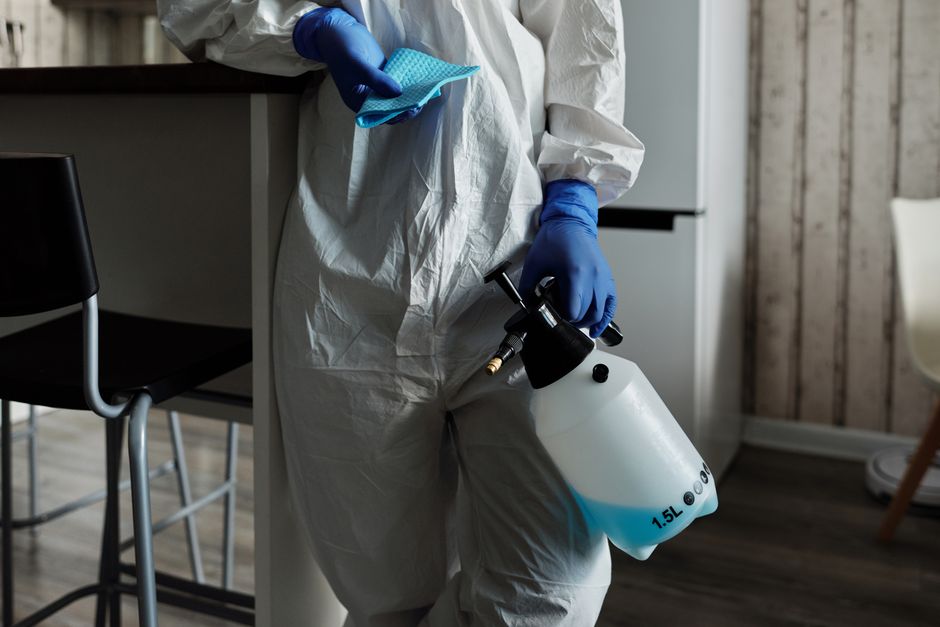
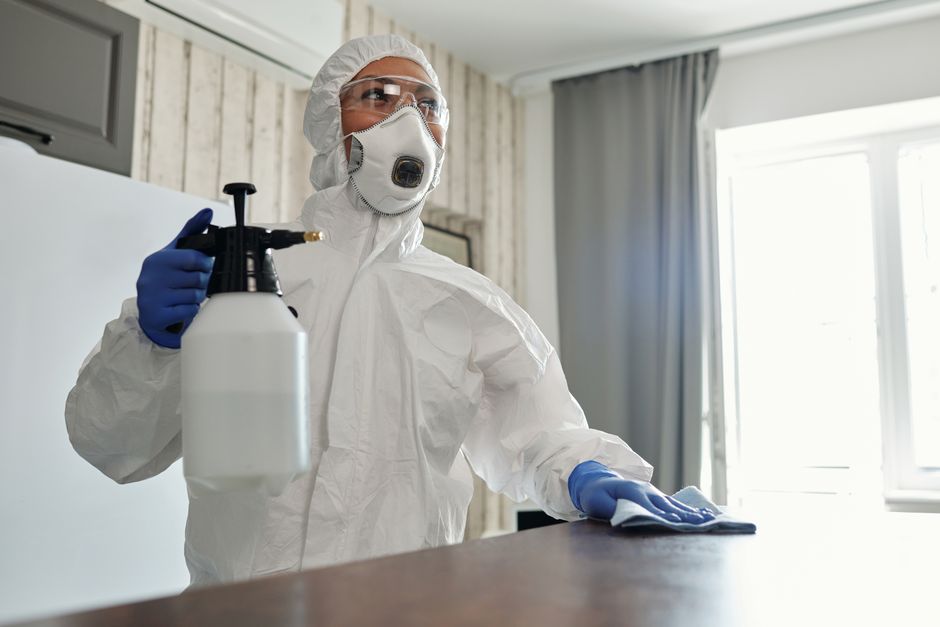
Disinfectants are chemicals and must be used safely. Wear gloves, ensure adequate ventilation, and never mix products unless the label explicitly permits it (e.g., mixing bleach and ammonia creates toxic gases). Keep out of reach of children and pets.
Common Active Ingredients in EPA-Approved Disinfectants
Understanding the active ingredients can help you choose the right product for your situation. Here's a breakdown of the most common ones:
| Active Ingredient | Examples | Pros | Cons |
|---|---|---|---|
| Quaternary Ammonium Compounds (Quats) | Benzalkonium chloride, didecyldimethylammonium chloride | Effective against a broad range of pathogens, low toxicity, residual activity | May not kill norovirus, can leave residue, asthma concerns |
| Sodium Hypochlorite (Bleach) | Clorox, Purell | Fast-acting, inexpensive, effective against many pathogens | Corrosive, strong odor, short shelf life, requires rinsing |
| Hydrogen Peroxide | Oxivir, Clorox Healthcare | Environmentally friendly, breaks down into water and oxygen, low toxicity | Can be unstable, may damage some surfaces |
| Alcohols (Ethanol, Isopropanol) | Purell, Lysol | Fast-acting, evaporates quickly, no residue | Flammable, not effective on all pathogens, requires high concentration |
| Citric Acid | Various botanical disinfectants | Natural, low toxicity | Limited efficacy, longer contact time |
List N and COVID-19: What You Should Know
List N was created specifically for products that can kill SARS-CoV-2, the virus that causes COVID-19. The EPA has evaluated hundreds of products for this list, and it remains a valuable resource for pandemic preparedness. However, as the pandemic evolves, the EPA has also introduced other lists for variants and other pathogens.
When using List N, pay attention to the product's specific claims. Some products are only for use on hard, non-porous surfaces, while others may be approved for porous surfaces or as foggers. Always read the label to ensure you're using the product correctly.
Practical Tips for Choosing and Using Disinfectants
Here are some actionable tips to help you get the most out of EPA-approved disinfectants:
- Match the product to the task: For everyday disinfection, a quat-based product may suffice. For high-risk areas like healthcare settings, choose a hospital-grade disinfectant with a broad kill claim.
- Pre-clean surfaces: Disinfectants work best on clean surfaces. Organic matter like dirt or blood can inactivate the active ingredients. Always clean first, then disinfect.
- Use the right tools: Microfiber cloths or disposable wipes can help ensure even coverage and reduce cross-contamination.
- Store properly: Keep disinfectants in their original containers, tightly closed, away from direct sunlight and heat. Check expiration dates, as some products lose efficacy over time.
- Train your staff: If you're in a commercial setting, ensure that cleaning staff are trained on the proper use of disinfectants, including dilution ratios, contact times, and safety protocols.
- Stay informed: The EPA list is updated frequently. Subscribe to EPA alerts or check the website regularly to stay current on new products and emerging pathogens.
Frequently Asked Questions
Are all EPA-approved disinfectants safe for use around children and pets?
Not necessarily. While EPA registration means the product has been evaluated for safety when used as directed, some disinfectants are more toxic than others. Always read the label for specific warnings and choose products with lower toxicity when possible. Keep children and pets away from treated surfaces until they are dry.
Can I make my own disinfectant?
The EPA does not approve homemade disinfectants. While some DIY recipes (like diluted bleach) can be effective, they are not regulated, and their efficacy and safety are not guaranteed. It's best to use EPA-registered products.
How long do I need to leave a disinfectant on a surface?
This varies by product. The contact time is listed on the label and can range from 15 seconds to 10 minutes. Always follow the label instructions exactly.
What should I do if a product I use is not on the EPA list?
If a product is not on the EPA list, it may not have been tested against the pathogen you're concerned about. You can check the EPA's website for alternative products or consult with a disinfection expert.
Conclusion
The EPA Approved Disinfectants List is an invaluable tool for anyone looking to ensure they are using effective products against harmful pathogens. By understanding how the list works, what criteria products must meet, and how to use them safely, you can make informed decisions that protect your health and the health of those around you. Remember to always read labels, follow contact times, and stay updated on the latest EPA guidance. With the right knowledge and products, you can create a cleaner, safer environment.