
Introduction: The Rapid Evolution of Disinfection in 2024
The disinfectant industry is undergoing a remarkable transformation. In 2024, new technologies are reshaping how we approach hygiene, driven by lessons from the pandemic, growing antimicrobial resistance concerns, and a surge in sustainability demands. This guide explores the most impactful trends in disinfectant technologies, from advanced oxidation to smart delivery systems, and offers practical insights for businesses and consumers alike.
1. Accelerated Hydrogen Peroxide (AHP): The Green Powerhouse
Accelerated hydrogen peroxide (AHP) has moved from niche to mainstream. AHP combines hydrogen peroxide with surfactants and other ingredients to boost cleaning and microbial kill rates while breaking down into water and oxygen. In 2024, formulations are more stable and effective at lower concentrations.
Why AHP is Trending
- Eco-friendly: No toxic residues, safe for surfaces and the environment.
- Broad-spectrum efficacy: Kills bacteria, viruses, fungi, and spores.
- Fast action: Many products achieve kill claims in under one minute.
- Material compatibility: Gentler on surfaces than bleach or quats.
Practical tip: When switching to AHP, check dwell times on the label—some require surfaces to remain wet for a specific period. Use a timer to ensure compliance.
2. Electrostatic Sprayers and Foggers: Coverage Meets Efficiency
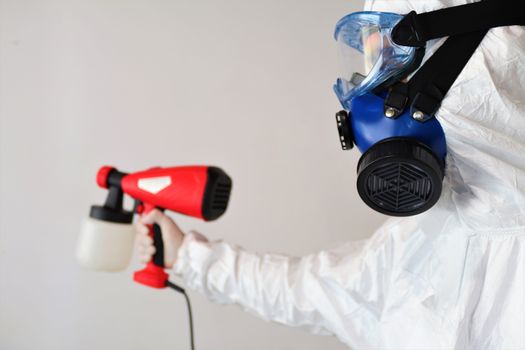
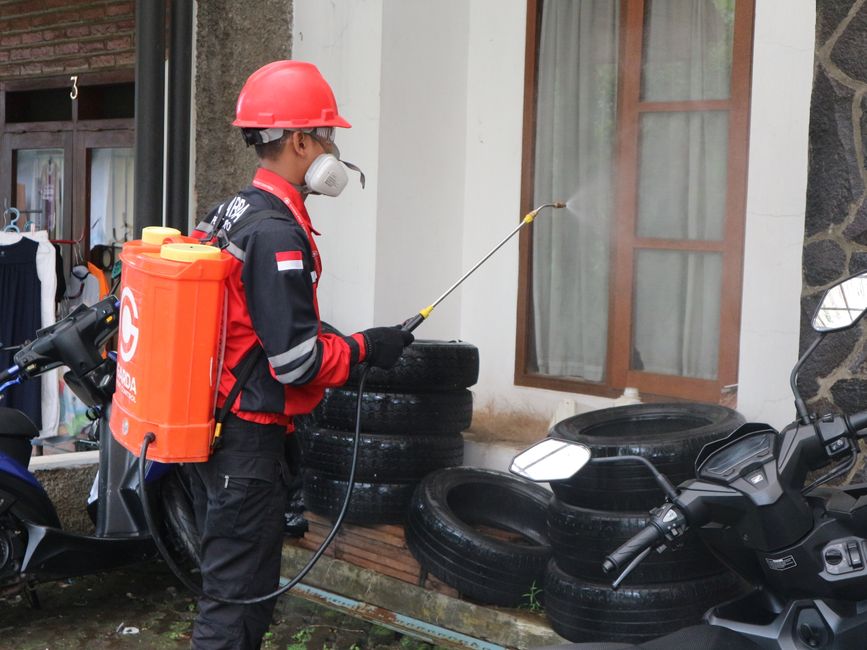
Electrostatic spraying technology has become a staple in commercial disinfection. These devices impart a positive charge to disinfectant droplets, which then cling to negatively charged surfaces, wrapping around objects for 360-degree coverage. In 2024, we see smarter models with adjustable droplet sizes and IoT connectivity.
Benefits and Considerations
- Time savings: Up to 75% faster than manual wiping.
- Reduced chemical use: More targeted application means less waste.
- Safety: Requires proper PPE and ventilation; not for use around people.
Practical tip: Train staff on proper technique—holding the sprayer 6–8 feet from surfaces and using overlapping passes. Avoid over-wetting, which can damage electronics.
3. UV-C LED Disinfection: Beyond Mercury Lamps
UV-C light has long been used for disinfection, but traditional mercury lamps are bulky and hazardous. UV-C LEDs are now more powerful and affordable, enabling integration into robots, HVAC systems, and handheld devices. In 2024, UV-C LED efficacy and lifespan have improved significantly.
Key Applications
- Air and surface disinfection: In hospitals, schools, and offices.
- Water treatment: Point-of-use systems for clean water.
- Consumer devices: Portable sterilizers for phones and keys.
Practical tip: UV-C is a line-of-sight technology—shadowed areas won't be disinfected. Combine with manual cleaning for best results.
4. Smart Disinfection: IoT and Data-Driven Hygiene
The Internet of Things (IoT) is making disinfection smarter. Sensors monitor surface contamination, dispenser usage, and air quality, feeding data to cloud platforms. This allows facility managers to optimize cleaning schedules and verify compliance.
Examples in 2024
- Smart dispensers: Alert when refills are needed and track usage patterns.
- Contamination sensors: Detect ATP (adenosine triphosphate) levels to assess cleanliness.
- Automated UV robots: Navigate rooms and report disinfection cycles.
Practical tip: Start with a pilot in high-traffic areas. Use data to justify ROI and scale up.
5. Antimicrobial Coatings: Long-Lasting Protection
Beyond sprays, antimicrobial coatings are gaining traction. These coatings bond to surfaces and continuously kill microbes for weeks or months. In 2024, new formulations use quaternary ammonium compounds or silver ions embedded in a matrix.
Pros and Cons
| Pros | Cons |
|---|---|
| Continuous protection between cleanings | Higher upfront cost |
| Reduces labor frequency | Requires surface preparation |
| Effective against a broad range of pathogens | Durability varies by product |
Practical tip: Ensure surfaces are thoroughly cleaned before application. Reapply according to manufacturer guidelines, especially in high-touch areas.
6. Phage-Based Disinfectants: The Next Frontier
Bacteriophages (phages) are viruses that infect and kill specific bacteria. Phage-based disinfectants are highly targeted and do not harm beneficial microbes. While still in early adoption, 2024 has seen increased research and pilot products, particularly in food safety and agriculture.
Potential Advantages
- Specificity: Targets only harmful bacteria, leaving others intact.
- Low resistance risk: Phages co-evolve with bacteria, but resistance is less likely than with antibiotics.
- Eco-friendly: Biodegradable and non-toxic.
Practical tip: Keep an eye on regulatory approvals; currently, phage products are limited to specific applications. Not a replacement for general disinfection yet.
7. Sustainable Disinfectants: The Green Shift
Sustainability is no longer a nice-to-have. In 2024, consumers and businesses demand disinfectants that are effective yet environmentally responsible. This includes biodegradable ingredients, recyclable packaging, and concentrated formulas to reduce shipping emissions.
What to Look For
- EPA Safer Choice or EU Ecolabel certification.
- Plant-based active ingredients like citric acid or lactic acid.
- Refillable or concentrated systems to cut plastic waste.
Practical tip: Don't sacrifice efficacy for green claims. Verify kill claims and check for third-party certifications.
8. Regulatory Updates and Safety
Regulations are evolving to keep pace with new technologies. In the US, the EPA continues to review emerging disinfectants, while the EU's Biocidal Products Regulation (BPR) sets strict standards. In 2024, expect more scrutiny on claims and increased focus on human and environmental safety.
Staying Compliant
- Always use products according to label directions.
- Keep SDS (Safety Data Sheets) accessible.
- Train staff on proper handling and PPE.
Conclusion: The Future is Smart, Green, and Targeted
Disinfectant technologies in 2024 are more advanced, sustainable, and data-driven than ever. From AHP and UV-C LEDs to IoT-enabled systems and phage-based solutions, the options are expanding. For businesses, the key is to match technology to specific needs, prioritize safety, and stay informed about regulatory changes. By embracing these trends, you can achieve effective disinfection while protecting people and the planet.