Crop protection & crop nutrition

Protect the yield, feed the crop

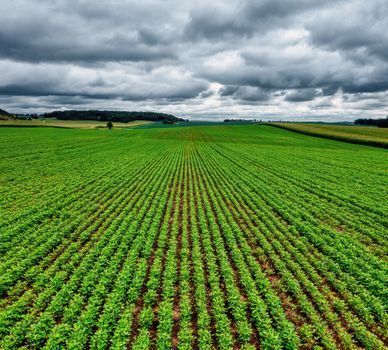
Herbicides, fungicides, insecticides, seed treatments and foliar nutrition for cereals, oilseeds, row crops, horticulture and vines. Send the crop, the target and the destination market and an agronomist answers with the specification, the registration position and the price.

Portfolio Herbicides, fungicides, insecticides, seed treatments, foliar nutrition and biostimulants
Markets Europe and North America, supplied through distributors, importers and agronomy services
Dossier Label text, safety data sheets, residue data and batch documents issued per order
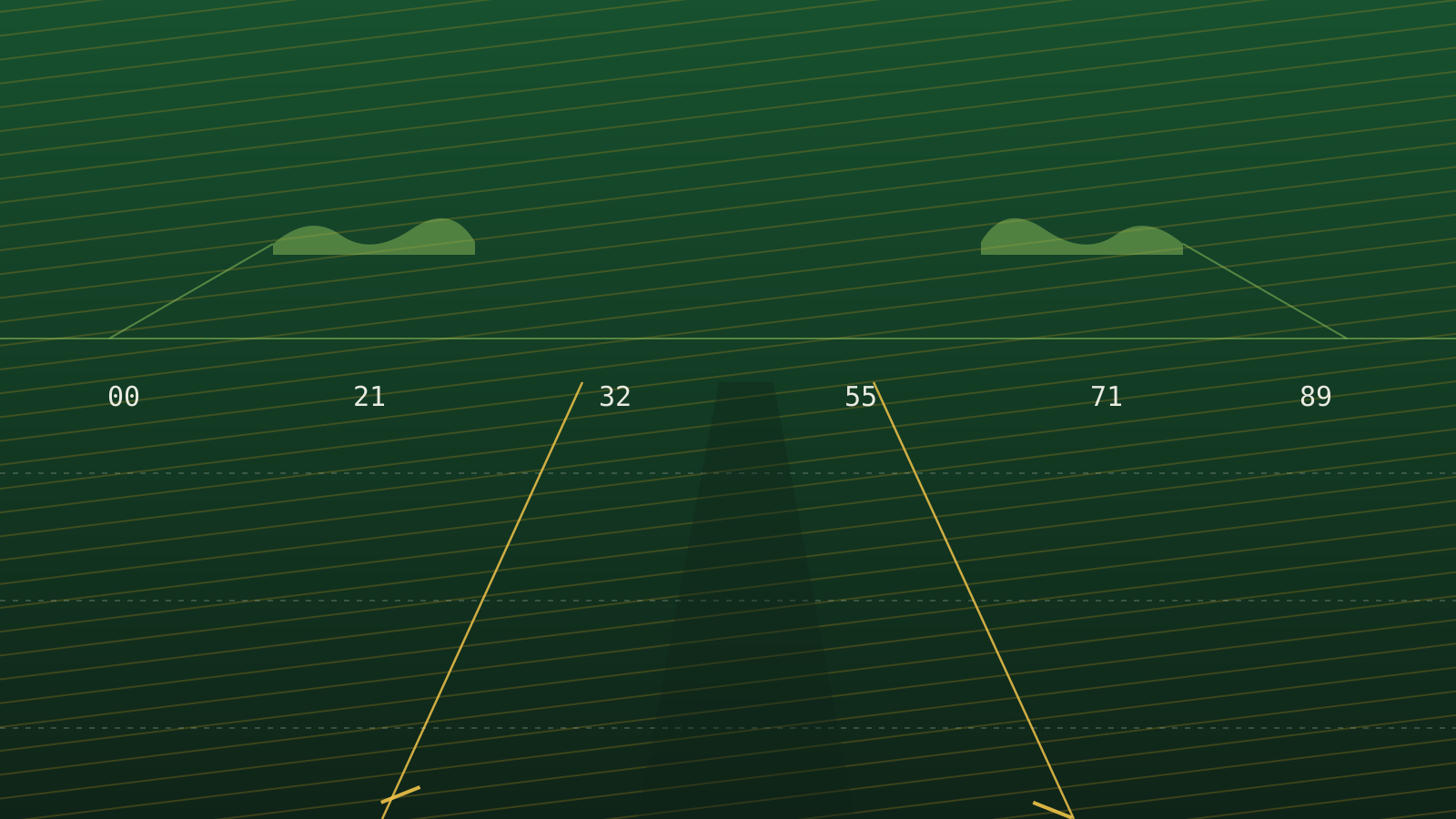
BBCH 00 Seed treatment dressing and priming
BBCH 10 Emergence early post-emergence
BBCH 30 Stem extension grass and broad-leaved weeds
BBCH 51 Ear emergence rusts, septoria and aphids
BBCH 71 Grain fill foliar nutrition and senescence
BBCH 89 Maturity pre-harvest intervals
  • Registration Dossier support and label review against the destination market requirements
  • Formulation EC, SC, WG, WP, SL and OD types for own-label and toll blending
  • Supply Distributor programmes, private label and bulk intermediates
  • Response An agronomist replies with the specification and the quotation
Product families

Eight families, one season programme

Each family covers one part of a programme. Open the family closest to your cropping system and the product page carries the active, the formulation type and the rate band.

All products
Fertilizers
01

Fertilizers

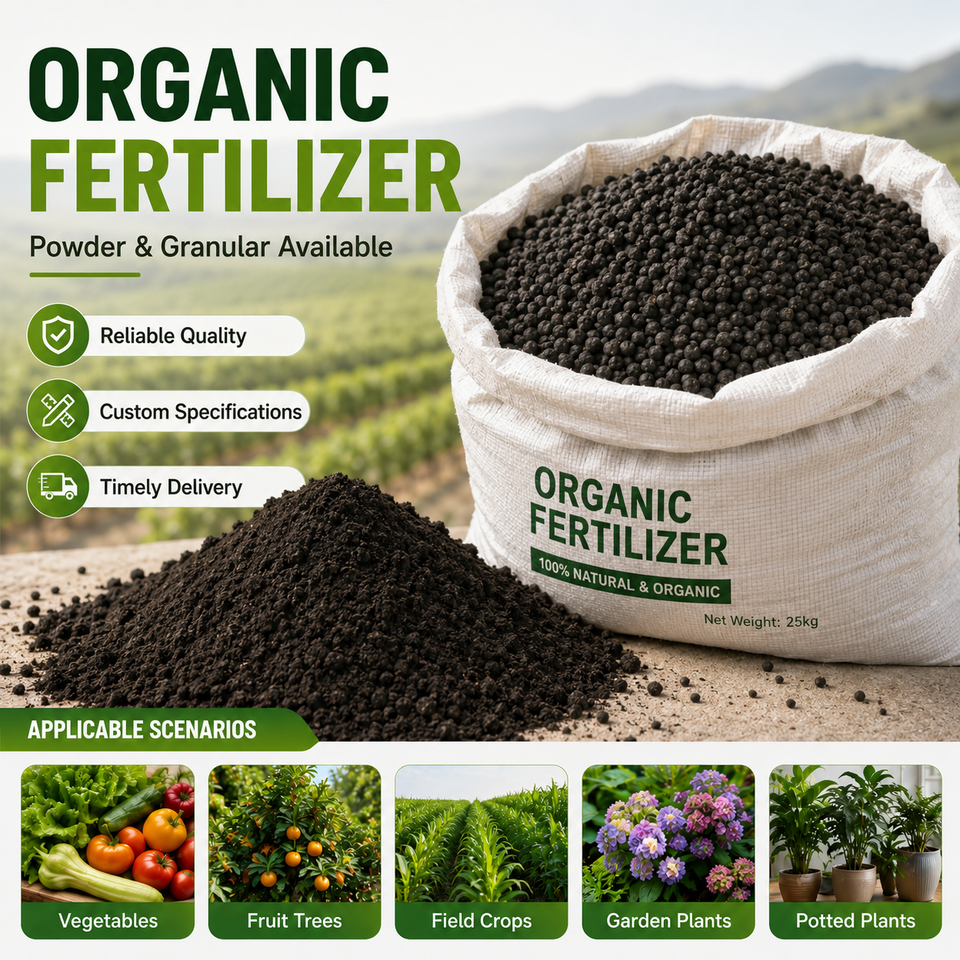
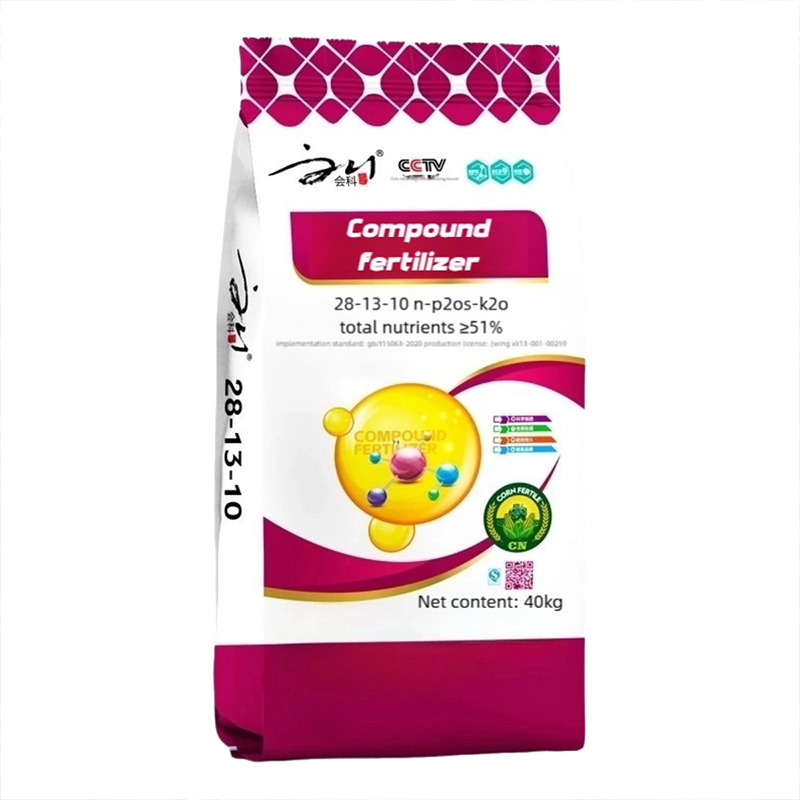
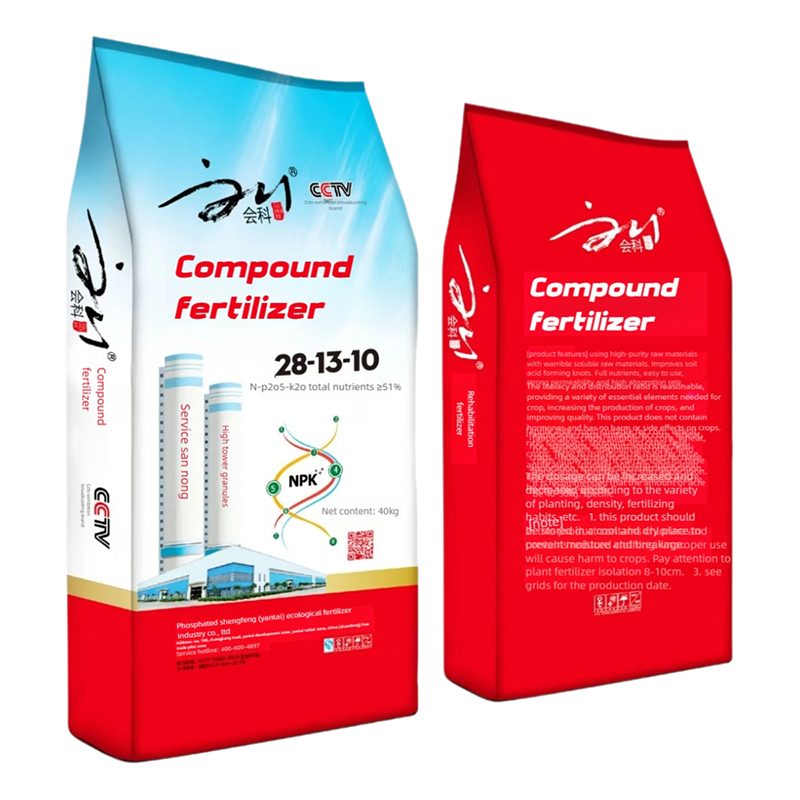
Wholesale fertilizers for crop nutrition, including compound and granular NPK, organic fertilizers and water-soluble grades for field crops, orchards and horticulture.

Typical use Open the family for the rate table and pack sizes
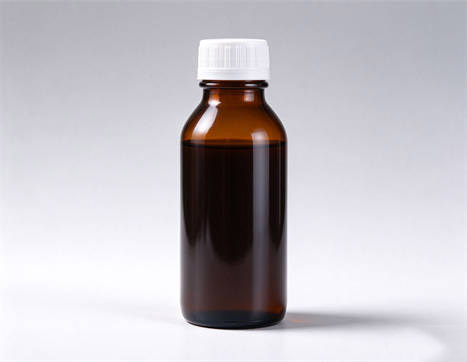
Crop Protection Chemicals
01

Crop Protection Chemicals

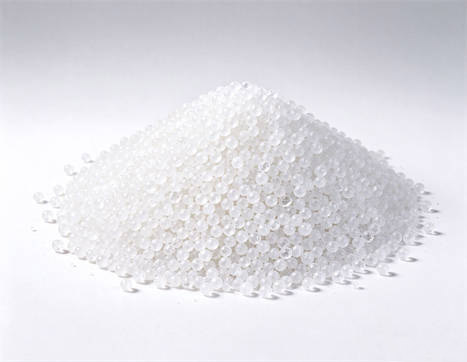
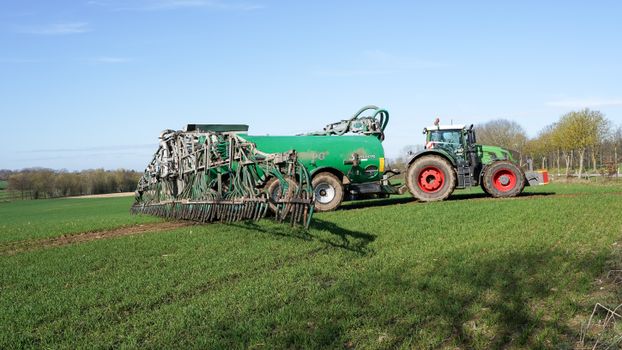
Crop protection chemicals for integrated pest management, including herbicides, insecticides, fungicides and plant growth regulators in granules, powders and liquid formulations.

Typical use Open the family for the rate table and pack sizes
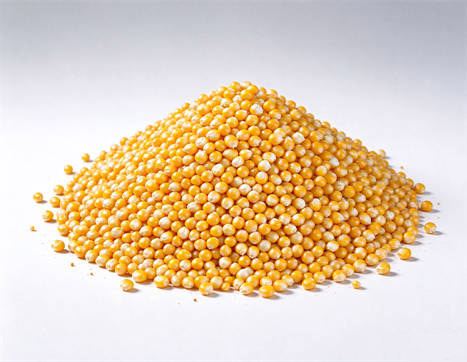
Seeds & Planting Material
01

Seeds & Planting Material

Hybrid and open-pollinated seeds plus planting material for vegetables, cereals and horticultural crops, supplied with germination and purity test reports.

Typical use Open the family for the rate table and pack sizes
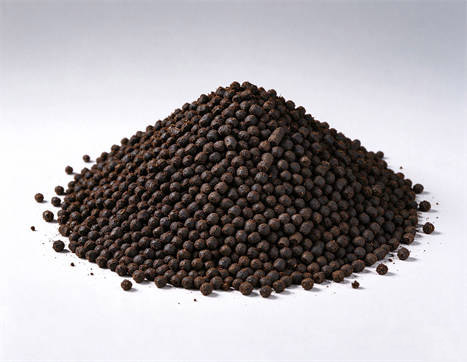
Growing Media & Substrates
01

Growing Media & Substrates

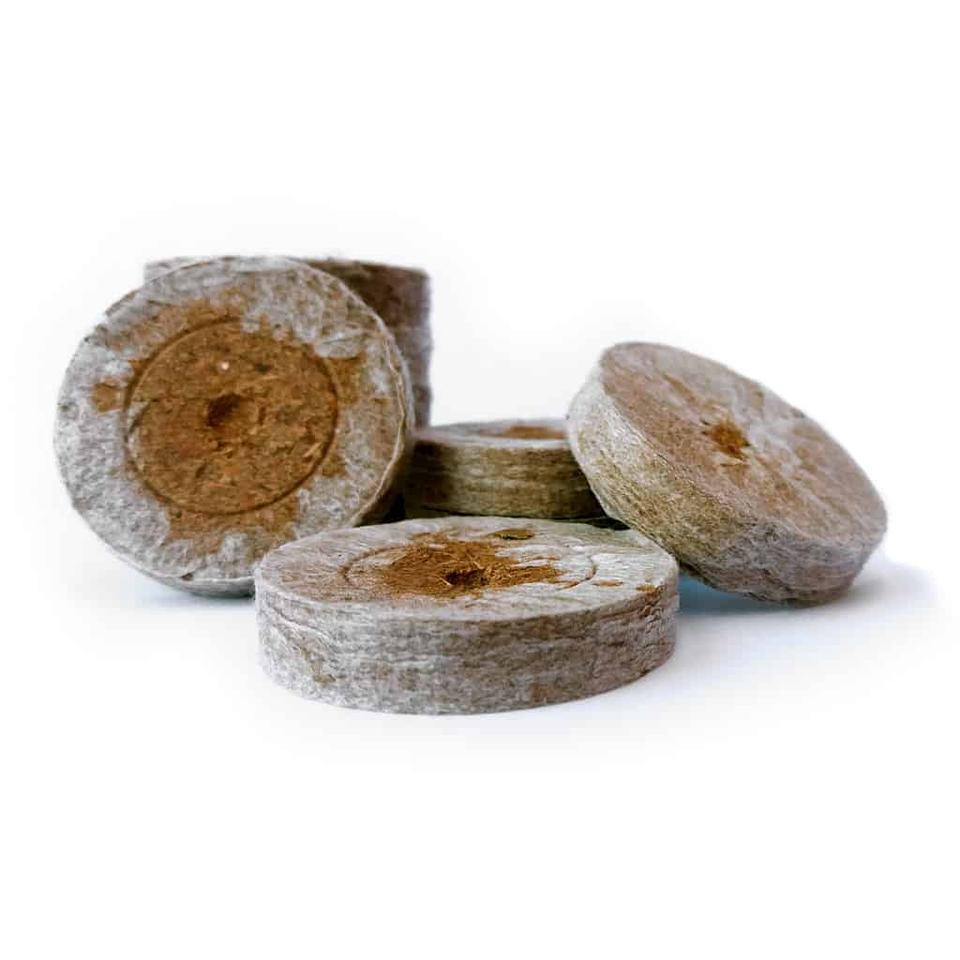
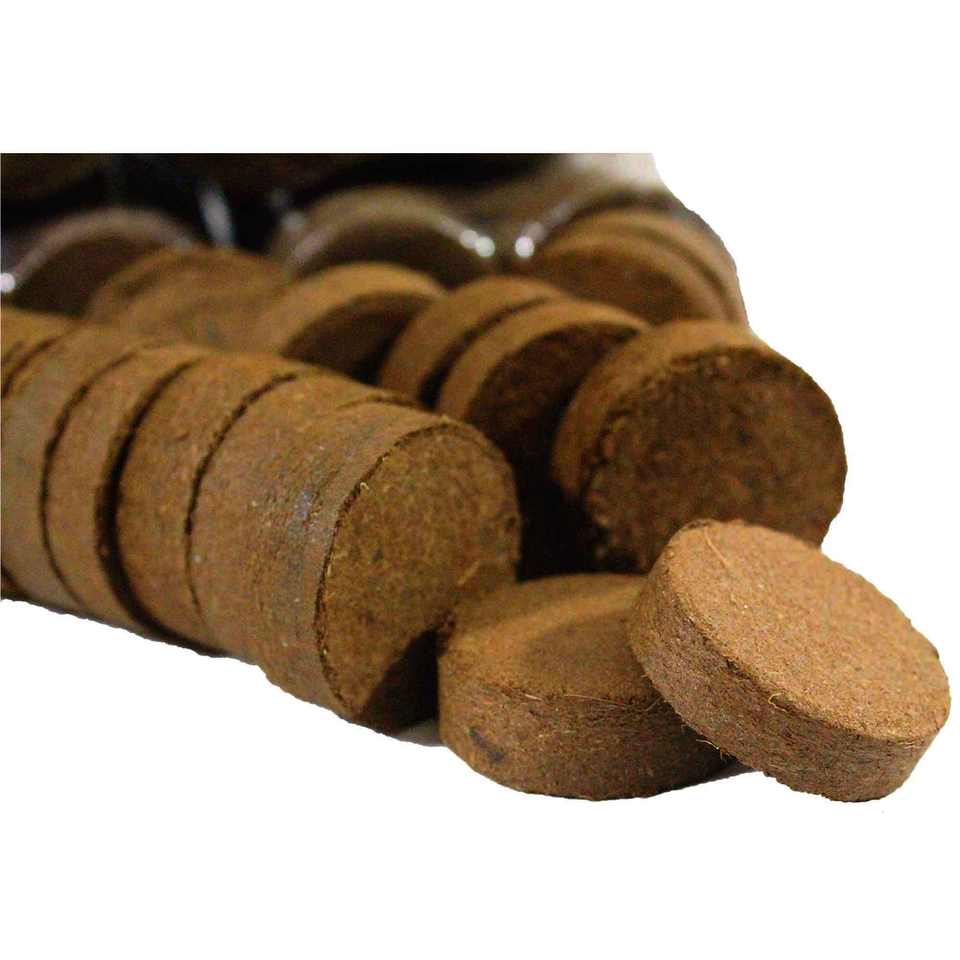
Growing media and substrates for nurseries and greenhouses, including cocopeat pellet discs, peat mixes and propagation blocks with stable pH and low EC.

Typical use Open the family for the rate table and pack sizes
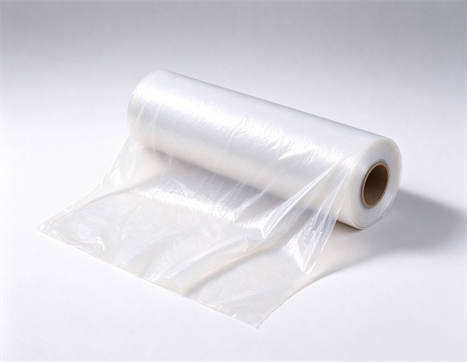
Greenhouses & Hydroponic Systems
01

Greenhouses & Hydroponic Systems

Complete greenhouses and hydroponic systems for protected cultivation, including polycarbonate and glass houses, NFT towers, grow light kits and container farms.

Typical use Open the family for the rate table and pack sizes
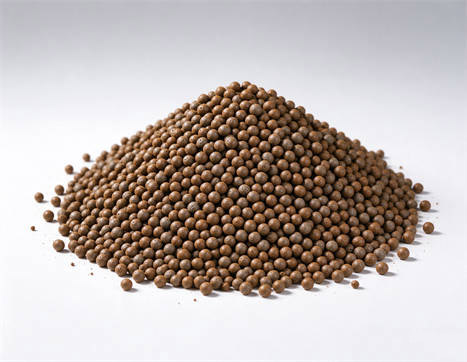
Farm Machinery & Accessories
01

Farm Machinery & Accessories

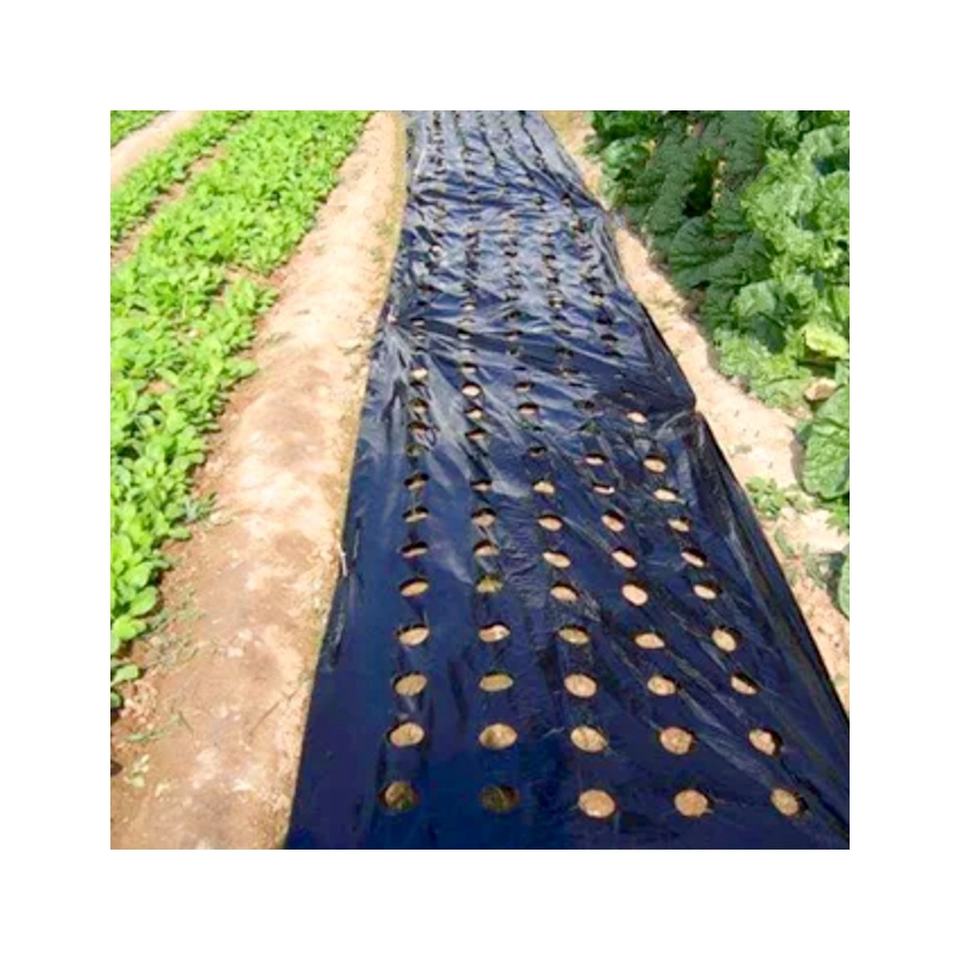
Farm machinery and accessories for field and greenhouse work, including battery knapsack sprayers, agricultural mulch films, irrigation parts and spare components.

Typical use Open the family for the rate table and pack sizes
Selection routes

Pressure to programme

Starting points for the pressures we quote most often. The product, the rate and the timing that apply to your order are confirmed on the label issued for the destination market.

Indicative selection route by pressure - confirm against the order label
Pressure Typical crop Route Timing window
Grass and broad-leaved weeds Cereals and oilseeds Residual and post-emergence herbicide mixes Pre-emergence to BBCH 32
Fungal disease Cereals, vines and horticulture Protectant and systemic fungicide programmes with mode-of-action rotation First sign of disease to ear emergence
Sucking and chewing pests Oilseeds, beet, vegetables Insecticide and acaricide rotation with beneficial-species windows Threshold monitoring from BBCH 30
Soil-borne disease Cereals and potatoes Seed treatment and in-furrow application Drilling and planting
Nutrient deficiency All crops Foliar macronutrient and chelated micronutrient programmes Tillering to grain fill
Resistance build-up All crops Mode-of-action rotation and tank-mix partners Every pass of the season

Always work to the rate, the growth stage and the personal-protection instructions on the label and the safety data sheet issued for your order.

Portfolio

What buyers order most

Return to Shop
Building a programme

Six steps from crop plan to order

The same questions come up in every season. Work them in order and the portfolio narrows itself.

BBCH 00-09 Seed treatment and pre-emergence residuals
BBCH 10-29 Early post-emergence and first nutrition
BBCH 30-49 Stem extension, T1 and T2 fungicide windows
BBCH 51-69 Ear emergence, aphid thresholds and ear wash
BBCH 71-89 Grain fill nutrition and pre-harvest intervals
01

Fix the cropping system

Crop, rotation, soil type and irrigation decide which actives are even relevant before price enters the discussion.

02

Name the pressure

The weed, disease or pest species sets the active group; resistance history sets the partner.

03

Match the formulation

EC, SC, WG or SL has to suit your filling line, your tank-mix partners and your climate window.

04

Set the window

Growth stage, pre-harvest interval and buffer requirements decide when the pass can actually be made.

05

Check the registration

We state what is registered where, and what the dossier still needs for your destination market.

06

Close the documents

Label text, safety data sheets, residue data and batch records are issued against the order reference.

Dossier

Papers that travel with the goods

Label text, safety data sheets and residue data are issued per order and against the order reference. Name the document you need and we will send the current revision.

Certificate
Label text Language and content checked against the destination market.
Safety data sheet Issued in the language your customers read.
Residue data MRL position stated for the crop and the market.
Batch record Active content and release data for the batch shipped.
Support

What we do beyond shipping the drum

Solutions

Formulation and blending

Own-label and toll-blended batches against your specification, with pack sizes and closures chosen for the market.

  • EC · SC · WG · WP · SL · OD
  • 1 L to 1000 L intermediates
  • Artwork and batch coding

Registration and dossier

Label review, safety data sheets and residue position for the destination market, with the gaps stated plainly.

  • Label text and languages
  • Residue and MRL position
  • Document set per order

Agronomy and trials

Rate, timing and resistance questions answered by the same team that quoted, with trial support for new programmes.

  • Rate and timing tables
  • Mode-of-action rotation plans
  • Tank-mix compatibility notes
Markets

One portfolio, two continents

Europe

  • Cereals, oilseeds and root crops label per member state
  • Vines, orchards and protected crops short harvest intervals
  • Distributor and cooperative programmes own-label filling

North America

  • Row crops and specialty crops label per state and province
  • Turf, amenity and ornamental non-crop use patterns
  • Agronomy-service and retail groups bulk intermediates

What is registered in one market is not automatically usable in the next. We state the position for your destination before quoting, and flag what the dossier still needs.

Sourcing questions

Answered before you ask

1What agricultural inputs do you supply?
We supply a full range of crop protection and crop nutrition products: compound and water-soluble fertilizers such as NPK, urea, MAP, DAP and potassium sulphate, micronutrients and foliar feeds, plus herbicides, insecticides, fungicides and plant growth regulators. They are available as granules, powders, liquid concentrates, suspension concentrates and wettable powders.
2Can you produce our own brand and formulations?
Yes. We offer complete OEM and ODM services: custom formulations and active ingredient concentrations, private label branding, custom bag, bottle and drum artwork, labels and technical leaflets in your language, and documentation support for product registration in your market.
3What is your minimum order quantity (MOQ)?
The standard MOQ is 100-200 units per model depending on the product line. For customized colors, logos or packaging the MOQ is usually 500 units. Mixed-model container orders are welcome, and we can help you combine products to fill a 20ft or 40ft container.
4Can I get a sample before placing a bulk order?
Absolutely. Samples of standard models are available from stock and normally ship within 3-5 days by express. Sample cost and freight are payable in advance and refundable against your first bulk order. Customized samples take about 7-15 days.
5How long does production and delivery take?
Standard production lead time is 25-35 days after deposit and confirmation of all details. Customized orders may need 35-45 days. Sea freight transit time depends on your port; we arrange FOB, CIF or door-to-door delivery as required.
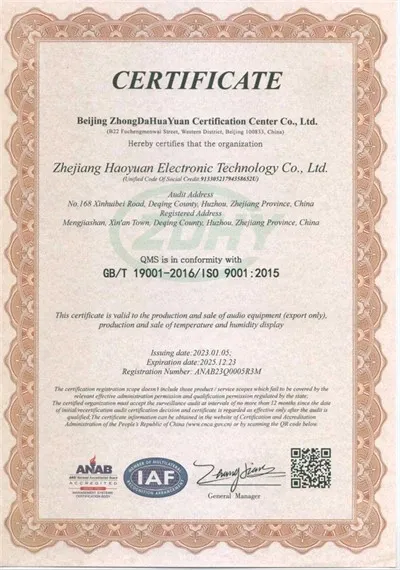
6How do you control product quality?
Every batch is produced under ISO 9001 quality management and tested before shipment. We issue a certificate of analysis for each lot covering active ingredient content, moisture, pH and impurities, together with a safety data sheet. Where applicable our products meet FAO and WHO specifications, and you can request samples for third-party testing before placing a bulk order.
Agronomy notes

Reading for crop and procurement teams

Blog

Send one crop programme, get one quotation

A single herbicide, a full cereal fungicide programme or an own-label range: describe the crop and the market, and we return the selection, the registration position and the price in one reply.

Get a Quote WhatsApp