English
 简体中文
简体中文 Русский
 Español
 Deutsch
New Hybrid Seed Varieties: Latest News for Growers
The pace of genetic improvement in hybrid seed has never been faster. Between 2020 and 2025, major breeding programs released more than 400 new commercial hybrids across corn, rice, sorghum, sunflower, and vegetable crops. For growers, that flood of new genetics is both an opportunity and a challenge: the right hybrid can add 10–20% to yield, while the wrong one can wipe out a season's margin. This guide breaks down the latest news in hybrid seed varieties, what the new traits actually deliver in the field, and how to choose wisely for your operation.
Why Hybrid Seed Innovation Is Accelerating
Three forces are driving the current wave of hybrid releases:
- Genomic selection: Breeders can now predict hybrid performance from DNA markers, cutting variety development cycles from 10–12 years to 6–8 years.
- Gene editing: Tools such as CRISPR allow precise tweaks to drought tolerance, plant architecture, and disease resistance without introducing foreign genes.
- Climate pressure: Seed companies are prioritizing heat tolerance, water-use efficiency, and early maturity as growers face more erratic seasons.
The result is a faster pipeline and more choices at the dealer counter — but also more need for careful, data-driven selection.
Key Trait Categories in the Newest Hybrids
1. Drought and Heat Tolerance
New corn and sorghum hybrids carry stacked drought-tolerance traits that regulate stomatal conductance and maintain kernel set under stress. In multi-year trials across the U.S. Corn Belt and Sub-Saharan Africa, top-tier drought-tolerant hybrids have out-yielded conventional checks by 8–15% in dryland conditions.
2. Disease and Pest Resistance
Resistance packages have expanded significantly. Recent rice hybrids now combine bacterial blight resistance with blast tolerance, while new sunflower hybrids offer downy mildew and rust resistance in a single package. This reduces fungicide passes and lowers input costs.
3. Improved Plant Architecture
Erect leaf types, shorter internodes, and stronger stalks allow higher planting densities without lodging. Several 2024–2025 corn hybrids are specifically bred for 34,000–38,000 plants per acre, delivering more ears per unit area.
4. Nitrogen-Use Efficiency
Hybrids with enhanced nitrogen-use efficiency (NUE) can maintain yield at 20–30% lower nitrogen rates, a major cost and sustainability win as fertilizer prices remain volatile.
Latest Hybrid Releases by Crop
| Crop | Notable Recent Hybrids | Key Advantage | Maturity |
|---|---|---|---|
| Corn | Pioneer P1 series, Dekalb DKC 70-series | Drought tolerance + high-density architecture | 95–115 days |
| Rice | Hybrid rice lines with BLB + blast resistance | Dual disease resistance, 10% yield gain | 110–135 days |
| Sorghum | New grain and forage hybrids | Heat tolerance, stay-green trait | 100–120 days |
| Sunflower | Clearfield and ExpressSun hybrids | Herbicide tolerance + downy mildew resistance | 90–110 days |
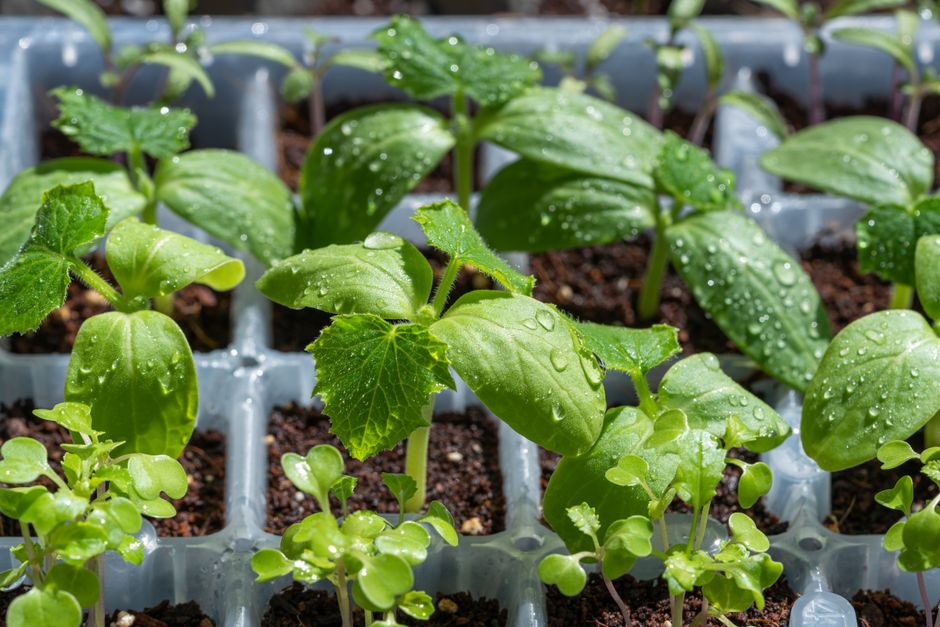
| Vegetables | Tomato, pepper, cucumber hybrids | Virus resistance, uniform fruit set | Varies |
How to Evaluate a New Hybrid Before You Plant
New genetics can be tempting, but the field is the only real test. Follow this practical checklist:
- Check multi-year, multi-location data: One season of trial data is not enough. Look for at least three years across environments similar to yours.
- Match maturity to your season: A high-yielding full-season hybrid is worthless if it does not finish before frost or the onset of the dry season.
- Verify trait packages: Confirm which herbicide, insect, and disease traits are included — and whether they fit your rotation and stewardship agreements.
- Review seed quality metrics: Germination percentage, vigor, and seed treatment should meet or exceed industry standards.
- Calculate cost per unit of yield: A more expensive hybrid is justified only if the yield or input savings cover the premium.
Practical Tips for Adopting New Hybrids
Start With Strip Trials
Plant a new hybrid in replicated strips alongside your current standard. Compare yield, moisture, standability, and disease pressure at harvest. Even a 1–2 acre strip per hybrid gives valuable local data.
Stagger Your Risk
Do not switch your entire acreage to a single new hybrid in year one. A common rule is to allocate no more than 20–30% of a crop's area to unproven genetics.
Adjust Agronomy to the Hybrid
New hybrids often need updated management: higher plant populations, different nitrogen timing, or adjusted fungicide programs. Follow the breeder's management recommendations rather than your old defaults.
Watch Seed Treatment and Storage
Many new hybrids come pre-treated with advanced seed coatings. Store them in cool, dry conditions and check germination if seed is carried over — hybrid seed vigor declines faster than many growers expect.
What's Coming Next
Looking ahead, several trends will shape the next wave of hybrid seed varieties:
- Stacked climate resilience: Hybrids combining drought, heat, and salinity tolerance in one package.
- Digital trait selection: AI-driven models that match hybrids to specific fields using soil, weather, and yield history data.
- Short-cycle hybrids: Faster-maturing varieties that enable double cropping and fit changing rainfall patterns.
- Biofortified hybrids: Grain with enhanced zinc, iron, or provitamin A for nutrition-sensitive markets.
Frequently Asked Questions
Are hybrid seeds worth the higher cost?
In most row crops, yes — hybrid vigor typically delivers 15–30% more yield than open-pollinated or saved-seed alternatives, which usually outweighs the seed premium.
Can I save seed from a new hybrid?
No. Saving hybrid seed leads to genetic segregation and unpredictable performance. Always purchase fresh certified seed each season.
How often are new hybrids released?
Major companies release new commercial hybrids every 1–2 years per crop, with trait upgrades appearing every 3–5 years.
Conclusion
The latest hybrid seed varieties offer real, measurable gains in yield, stress tolerance, and input efficiency. But the best hybrid is not the newest one — it is the one matched to your soil, climate, and management. Use multi-year trial data, run your own strip trials, and adopt new genetics gradually. That approach turns hybrid innovation into consistent profit rather than a gamble.