English
 简体中文
简体中文 Русский
 Español
 Deutsch

1. Record-Breaking Attendance at Global Ag Input Expos
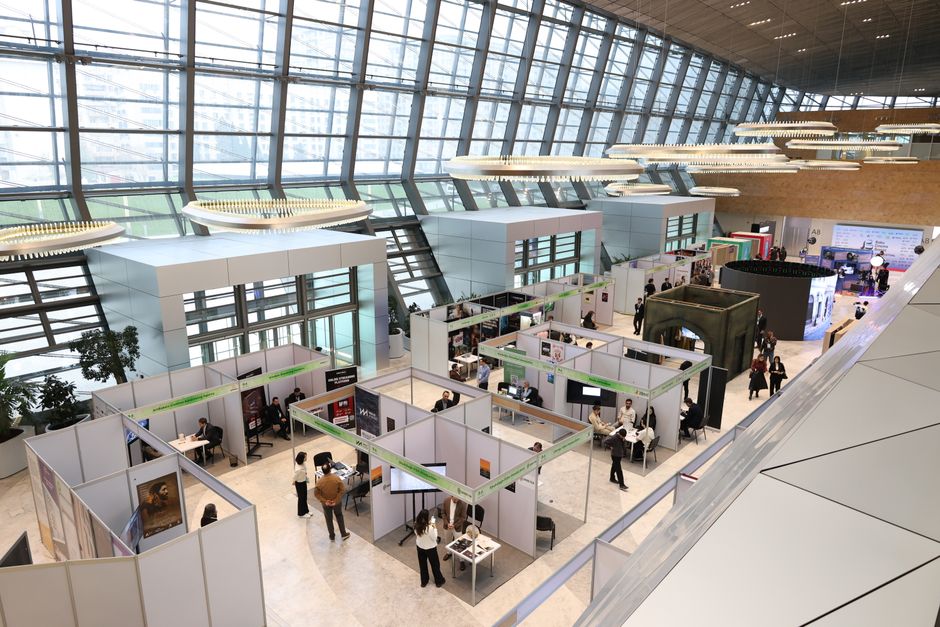
Agricultural input trade shows in 2024 saw unprecedented attendance, with events like Agritechnica in Hanover and the Commodity Classic in the U.S. drawing tens of thousands of growers, agronomists, and input suppliers. Organizers reported double-digit growth in international visitors, reflecting renewed confidence in the farm economy and strong demand for seed, fertilizer, and crop protection innovations.
Exhibitors noted that farmers are arriving with more specific questions than ever before, seeking data-backed answers on input efficiency and return on investment. This shift has pushed trade show organizers to expand educational sessions and live demonstration plots, turning the show floor into a working classroom for modern agriculture.
Why It Matters for Input Buyers
For agricultural input buyers, higher attendance means more competitive pricing, more product launches, and better access to technical experts. It also signals which categories—biologicals, precision ag, and specialty fertilizers—are gaining momentum ahead of the next planting season.
2. Biologicals Dominate New Product Launches
Biological inputs were the breakout category at nearly every major trade show this year. Companies introduced new microbial inoculants, biostimulants, and biofungicides aimed at improving nutrient use efficiency and soil health. Many of these products are designed to integrate with conventional programs rather than replace them, giving growers flexible options.
Suppliers highlighted trial data showing yield gains in row crops and specialty crops alike, though independent verification remains a hot topic. Trade show seminars featured agronomists discussing how to evaluate biological claims and where these inputs fit best in a crop nutrition plan.
Retailers attending the shows reported growing farmer interest in biologicals, particularly as a tool for managing input costs and building long-term soil productivity. Expect continued consolidation and partnership announcements in this fast-moving segment.
3. Precision Agriculture and Input Application Technology
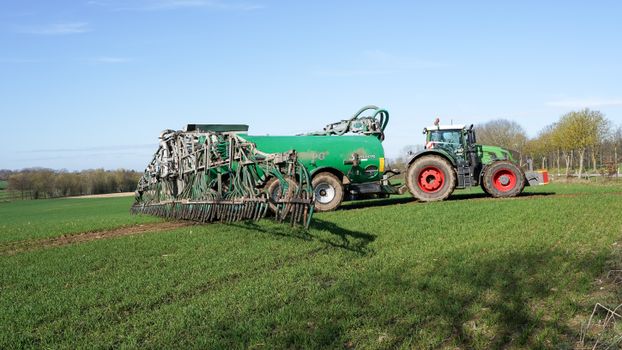
Precision ag technology was on full display, with new sprayers, spreaders, and sensor systems promising more accurate input placement. Manufacturers showcased variable-rate application tools that use real-time data to adjust fertilizer and crop protection rates on the go, reducing waste and improving compliance with label requirements.
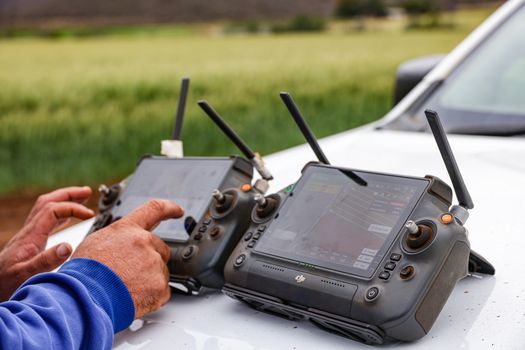
Drones and autonomous platforms also made a strong showing, especially for spot spraying and targeted fertilization. Several companies announced integrations with popular farm management software, making it easier for growers to document applications and analyze field-level performance.
For input dealers, these technologies open new service revenue streams, from prescription writing to application consulting. Trade show attendees were urged to think of precision tools not just as equipment, but as a way to add value to every input sold.
4. Fertilizer Market Outlook and Supply Chain Updates
Fertilizer was a central theme at this year's trade shows, with sessions covering price volatility, geopolitical risks, and logistics. Analysts presented mixed outlooks: nitrogen markets have softened from recent highs, while phosphate and potash remain sensitive to global supply disruptions.
Suppliers emphasized the importance of forward contracting and building relationships with reliable partners. Several exhibitors introduced enhanced-efficiency fertilizers, including controlled-release and stabilized products, designed to stretch every pound of nutrient applied.
- Nitrogen prices trending lower on improved global supply
- Phosphate and potash facing regional logistics challenges
- Enhanced-efficiency products gaining shelf space at retail
Growers were advised to lock in portions of their fertilizer needs early and to consider split-application strategies that align with crop demand and weather patterns.
5. Seed Innovations and Trait Pipelines
Seed companies used trade shows to preview upcoming trait pipelines, including drought-tolerant hybrids, improved disease resistance, and stacked traits for herbicide tolerance. Many of these innovations target regions facing increasing climate stress, offering growers more resilient options.
Digital tools for seed selection also drew attention, with platforms that match hybrids and varieties to specific field histories and management zones. Seed treatment advancements, including biological seed coatings, were highlighted as a low-cost way to protect early-season vigor.
Dealers should watch for limited launches and pre-commercial trials, which often provide early access to high-demand genetics before full commercialization. Trade show floor talks with seed reps can reveal which products will be allocated first.
6. Regulatory and Sustainability Trends Shaping Inputs
Regulatory changes were a recurring topic, from updated pesticide labeling requirements to new rules on fertilizer application timing. Trade show workshops helped attendees understand compliance obligations and how to advise customers confidently.
Sustainability programs and carbon initiatives also took center stage, with input suppliers positioning products as part of a broader environmental stewardship story. Retailers and distributors can use these programs to differentiate their offerings and meet buyer expectations across the supply chain.
| Trend | Impact on Input Buyers |
|---|---|
| Stricter labeling rules | Need for updated training and documentation |
| Carbon and sustainability programs | New market incentives and premium opportunities |
| Biological registration pathways | Faster product introductions, more choices |
7. Networking and Business Deals on the Show Floor
Beyond product displays, trade shows remain a critical venue for deal-making. Distributors, manufacturers, and retailers used the events to negotiate supply agreements, explore private-label opportunities, and forge international partnerships. Several companies announced joint ventures and distribution agreements during the shows.
For smaller businesses, the shows offer a rare chance to meet decision-makers face-to-face and gain visibility alongside larger competitors. Many first-time exhibitors reported strong lead generation, especially in niche categories like micronutrients and soil amendments.
Planning ahead is essential: book meetings early, prioritize booths aligned with your input portfolio, and follow up within two weeks to convert conversations into orders. The relationships built at these events often shape the entire growing season.
8. Key Takeaways for Agricultural Input Professionals
This year's trade shows made one thing clear: the agricultural input sector is innovating rapidly, and those who engage with new products, data, and partners will be best positioned to succeed. From biologicals and precision application to fertilizer logistics and regulatory compliance, the shows offered a comprehensive look at where the industry is heading.
Whether you sell seed, fertilizer, crop protection, or equipment, staying connected to trade show news helps you anticipate customer needs and adjust your strategy. Mark your calendar for next season's events and bring a plan—not just a badge.