
 English
 简体中文
简体中文 Русский
 Español
 Deutsch
1. Global Fertilizer Prices Stabilize After Two Years of Volatility
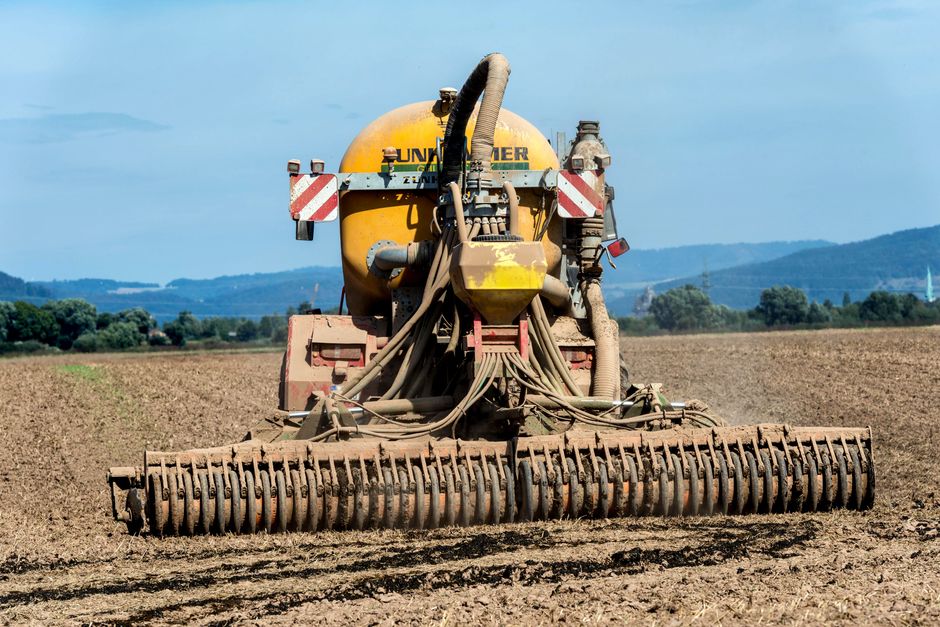
After the dramatic price swings of 2022 and 2023, global fertilizer markets have finally found a measure of stability. According to the latest reports from the International Fertilizer Association (IFA), urea, DAP, and potash prices have settled within a 10-15% band over the past two quarters, giving agricultural input suppliers and farmers alike a chance to plan with greater confidence.
This stabilization is welcome news for distributors who spent the past two years managing inventory risk and renegotiating contracts on a near-monthly basis. Many suppliers are now shifting their focus from price hedging back to value-added services such as agronomic consulting, soil testing, and precision application support.
For buyers, the message is clear: lock in supply agreements early, but stay flexible on volume commitments. Analysts expect modest seasonal fluctuations rather than the extreme spikes seen during the energy crisis.
2. Biological Inputs Continue Their Rapid Rise in the Supplier Landscape
Biological agricultural inputs — including biostimulants, biofertilizers, and biopesticides — are no longer a niche category. Market research firm DunhamTrimmer estimates the global biostimulant market will surpass $5 billion by 2027, growing at nearly 12% annually. Leading suppliers are responding by acquiring biological startups or launching dedicated biological product lines.
For traditional input suppliers, this shift represents both an opportunity and a challenge. Biologicals often require different storage conditions, shorter shelf lives, and more technical support than conventional chemistries. Distributors that invest in training their agronomists and field staff are seeing strong adoption rates among progressive growers.
Regulatory frameworks are also evolving. The EU's new Fertilising Products Regulation has created a clearer path to market for biological inputs, while the US EPA continues to streamline biopesticide registrations. Suppliers that navigate these rules efficiently will gain a competitive edge.
3. Precision Agriculture Tools Become Standard Supplier Offerings
Agricultural input suppliers are increasingly bundling precision agriculture services with their core products. Variable-rate application maps, satellite imagery subscriptions, and soil sensor networks are now commonly offered alongside seed, fertilizer, and crop protection products.
This trend reflects a broader shift in how farmers evaluate suppliers. Price per ton still matters, but growers increasingly choose partners who can help them optimize input use efficiency. Suppliers that demonstrate measurable yield gains or input savings are winning loyalty even at slightly higher price points.
Equipment compatibility is a key consideration. Many suppliers now ensure their digital platforms integrate with major farm management software such as Climate FieldView, John Deere Operations Center, and Trimble Ag Software, reducing friction for growers adopting new tools.
4. Supply Chain Resilience Remains a Top Priority for Distributors
The pandemic-era disruptions may be behind us, but agricultural input suppliers are not returning to just-in-time inventory models. Instead, many are maintaining higher safety stock levels and diversifying their sourcing across multiple regions and manufacturers.
Shipping and logistics costs have moderated, but geopolitical risks — from the Red Sea route disruptions to ongoing trade tensions — continue to make supply chain planning complex. Leading distributors are investing in regional warehousing and predictive analytics to anticipate shortages before they occur.
For farmers, this means more reliable product availability but also potentially higher carrying costs passed through the supply chain. Building strong relationships with multiple suppliers remains a smart risk management strategy.
5. Sustainable Sourcing Certifications Gain Traction Among Major Suppliers
Major agricultural input suppliers are increasingly pursuing sustainability certifications for their products. Programs such as the Sustainable Agriculture Initiative (SAI) Platform and various carbon footprint verification schemes are becoming standard requirements for suppliers selling to large food companies and retailers.
These certifications cover everything from responsible mining of phosphate rock to energy-efficient ammonia production and ethical labor practices in manufacturing. While the upfront costs can be significant, suppliers report that certified products command premium pricing and open doors to new markets.
Smaller suppliers may find compliance challenging, but industry associations and cooperatives are offering shared resources and group certification options to help them participate.
6. Digital Marketplaces Transform How Farmers Buy Inputs
Online agricultural input marketplaces are growing rapidly, with platforms like Farmers Business Network, AgVend, and regional equivalents connecting growers directly with manufacturers and distributors. These platforms offer transparent pricing, easy comparison shopping, and often financing options.
Traditional suppliers are responding by developing their own e-commerce capabilities and omnichannel strategies. The most successful are combining digital convenience with local agronomic expertise — a hybrid model that resonates with farmers who value both efficiency and trusted advice.
Industry analysts predict that within five years, a majority of agricultural input transactions will involve some digital component, whether that's online ordering, digital invoicing, or remote agronomist consultations.
7. Key Takeaways for Farmers Choosing Suppliers in 2025
As the agricultural input landscape evolves, farmers should evaluate suppliers on more than just price. Consider the following factors when selecting or reviewing your supplier partnerships:
- Product breadth: Can they supply conventional and biological inputs, plus precision ag services?
- Technical support: Do they have certified agronomists available locally?
- Supply reliability: Have they invested in resilient logistics and diversified sourcing?
- Digital integration: Do their platforms connect with your farm management software?
- Sustainability credentials: Can they document responsible sourcing practices?
Suppliers that score well across these dimensions are better positioned to help farmers navigate volatile markets, tightening regulations, and the ongoing transition toward more sustainable production systems.
Staying informed about industry news — from fertilizer price trends to biological product innovations — is essential for making smart purchasing decisions. The suppliers that communicate transparently and invest in farmer success will be the ones that thrive in the years ahead.