
 English
 简体中文
简体中文 Русский
 Español
 Deutsch
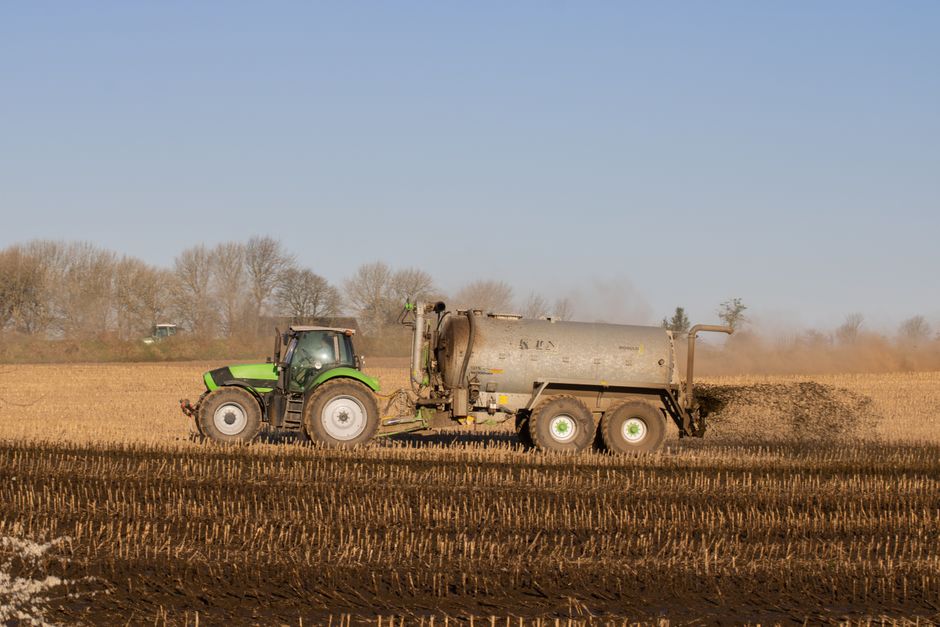
New Fertilizer Product Launches in 2025: What Farmers Should Know
The 2025 growing season is shaping up to be one of the most innovative years for agricultural inputs in recent memory. Fertilizer manufacturers have responded to volatile input costs, tightening environmental regulations, and the growing demand for higher yields per acre by launching a wave of new products — from enhanced-efficiency nitrogen stabilizers to biological inoculants and precision-release phosphate blends.
For farmers, these launches represent both opportunity and confusion. A new label does not automatically mean better returns. This guide breaks down the most significant fertilizer product launches of 2025, explains the technology behind them, and gives you practical criteria for deciding which products deserve space in your fertility program.
Why 2025 Is a Pivotal Year for Fertilizer Innovation
Several forces converged to accelerate fertilizer R&D heading into 2025:
- Volatile nutrient prices: After the price spikes of 2022–2023, growers are more focused than ever on nitrogen use efficiency (NUE) and phosphorus recovery.
- Regulatory pressure: Nutrient runoff rules in the EU, parts of the US Midwest, and Brazil's Cerrado are pushing formulations toward lower leaching and volatilization.
- Biological breakthroughs: Improved fermentation and formulation technologies have made microbial products shelf-stable and field-reliable, moving them from novelty to mainstream.
- Precision agriculture integration: Variable-rate application and sensor-based fertility mean new products are increasingly designed for site-specific use.
The result: a market where traditional NPK blends are being reformulated, and entirely new categories — biostimulants, controlled-release coatings, and micronutrient chelates — are competing for your input budget.
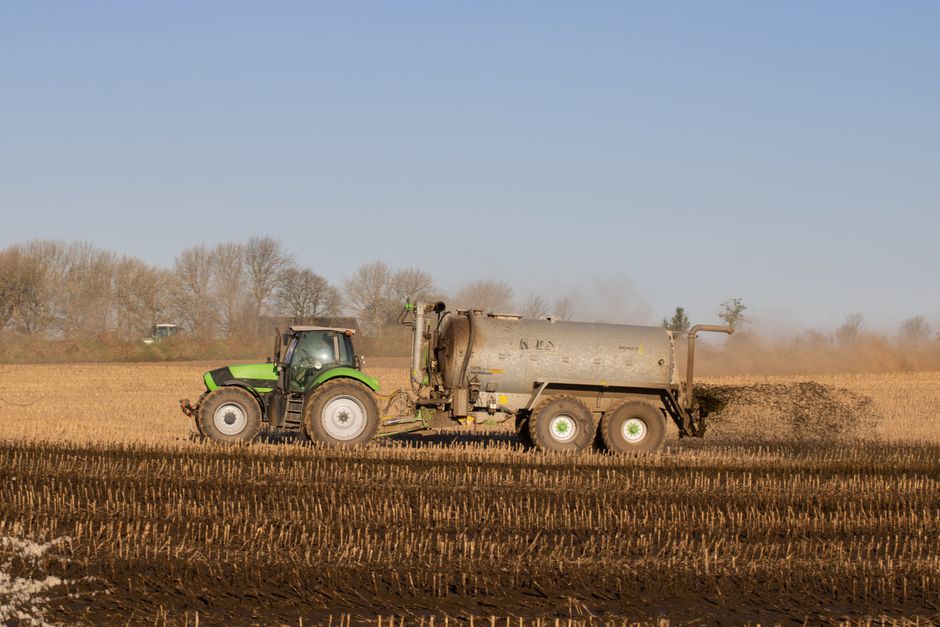
Major Fertilizer Product Launches in 2025
1. Enhanced-Efficiency Nitrogen (EEN) Formulations
Nitrogen remains the single largest input cost for most row-crop operations. In 2025, major manufacturers rolled out next-generation urease and nitrification inhibitors, often combined with polymer coatings.
Key developments include:
- Dual-inhibitor urea: Products combining NBPT (urease inhibitor) with DMPP or nitrapyrin (nitrification inhibitor) to protect nitrogen from volatilization and leaching simultaneously.
- Thin-film polymer coatings: New coating technologies release nitrogen over 60–120 days, matching crop uptake curves more closely than older 90-day products.
- Liquid stabilized UAN: Stabilized urea-ammonium nitrate solutions designed for sidedress and fertigation, with lower salt index and improved compatibility with micronutrients.
Practical tip: EEN products typically cost 10–25% more per unit of N. They pay off most on sandy soils, in high-rainfall regions, or where you apply nitrogen well before the crop's peak demand.
2. Biological and Microbial Fertilizers
The biological segment is the fastest-growing category in agricultural inputs. 2025 launches focus on three groups:
- Nitrogen-fixing bacteria: Free-living and associative diazotrophs (e.g., Azospirillum, Azotobacter) formulated for cereal and grass crops, not just legumes.
- Phosphate-solubilizing microorganisms: Bacillus and Pseudomonas strains that unlock soil-bound phosphorus, reducing reliance on fresh P applications.
- Mycorrhizal inoculants: Expanded availability for row crops, improving root surface area and nutrient uptake, especially in low-phosphorus soils.
These products are typically applied as seed treatments, in-furrow liquids, or broadcast granules. Results vary widely by soil biology, organic matter, and management history — so treat them as complements to, not replacements for, conventional fertility.
3. Controlled-Release and Coated Phosphate Products
Phosphorus efficiency has become a boardroom priority. New coated MAP and DAP products use biodegradable polymer or humic-acid coatings to reduce fixation in high-calcium or high-iron soils. Some 2025 launches also incorporate chelated zinc and sulfur into the granule, delivering a multi-nutrient package in a single pass.
4. Micronutrient and Specialty Blends
Several companies introduced foliar micronutrient packages tailored to specific crop stages — for example, boron-zinc blends for flowering in canola and cotton, or manganese formulations for soybeans in high-pH soils. Chelated EDTA and EDDHA products remain the standard for high-pH conditions, while lignosulfonate chelates offer a lower-cost option for neutral soils.
Comparison Table: 2025 Fertilizer Categories at a Glance
| Product Category | Primary Benefit | Typical Cost Premium | Best Fit |
|---|---|---|---|
| Dual-inhibitor urea | Reduces N loss 20–40% | 10–25% | Sandy or high-rainfall soils |
| Polymer-coated N | Season-long N release | 15–35% | Single pre-plant application |
| Microbial inoculants | Improved nutrient availability | 5–20% | Degraded or low-OM soils |
| Coated phosphate | Less P fixation | 10–30% | Calcareous or high-Fe soils |
| Foliar micronutrients | Corrects hidden hunger | Variable | High-value crops, deficiency zones |
How to Evaluate a New Fertilizer Before You Buy
Marketing claims are easy; field performance is not. Use this checklist before committing acres to any new product:
- Check the label and registration: In the US, verify state fertilizer registration; in the EU, look for CE marking and national approvals. Biologicals should list viable CFU counts and expiry dates.
- Ask for third-party trial data: University and independent replicated trials carry more weight than company demo plots.
- Calculate cost per unit of nutrient: Compare on a per-pound or per-kilogram basis, not per bag.
- Match to your soil test: A product that fixes a problem you do not have is an expensive experiment.
- Start with strip trials: Test on 10–20% of a field, with a replicated control, before scaling up.
Practical Tips for Integrating New Products in 2025
Blend Compatibility Matters
Not all new products mix well. Biologicals can be killed by high-salt liquid fertilizers, and some polymer coatings degrade when blended with certain micronutrients. Always jar-test blends and check manufacturer compatibility charts.
Timing Beats Rate
Enhanced-efficiency products reward correct timing. Splitting nitrogen applications and aligning release curves with crop uptake often delivers more benefit than simply increasing rates.
Watch Storage Conditions
Microbial products lose viability in heat and UV light. Store in cool, dry conditions and use before expiry. Coated fertilizers should be kept dry to preserve coating integrity.
Document Everything
Keep records of product, rate, timing, and yield response. This data becomes your most valuable decision-making tool for future seasons.
What This Means for Your 2025 Fertility Plan
The 2025 fertilizer launches give farmers more tools than ever to improve efficiency, reduce environmental footprint, and protect margins. But the winning strategy is not to chase every new label — it is to match proven technology to your specific soil, climate, and crop system.
Start with a current soil test, identify your biggest nutrient loss pathway, and choose one or two new products that directly address it. Run strip trials, measure results, and scale what works. In a year of rapid innovation, disciplined evaluation is your best fertilizer investment.