
 English
 简体中文
简体中文 Русский
 Español
 Deutsch
Agritech is moving fast in 2025, and this month's announcements show just how aggressively input companies are racing to combine biologicals, precision agronomy, and digital marketplaces into single platforms. From seed-treatment breakthroughs to AI-driven soil diagnostics, here are the eight announcements that matter most for growers, distributors, and agronomists planning next season's input strategy.
1. Corteva Expands Biologicals Portfolio With New Nitrogen-Fixing Inoculant
Corteva announced the commercial launch of a next-generation nitrogen-fixing microbial inoculant designed for corn and wheat rotations. The product uses a proprietary strain that colonizes root systems earlier in the season, which the company says can reduce synthetic nitrogen requirements by up to 20% without yield penalties in trial plots across the Midwest.
The announcement matters because nitrogen fertilizer remains the single largest input cost for row-crop growers, and regulatory pressure on nitrate runoff continues to tighten in several states. Corteva is positioning the inoculant as a tank-mix-compatible add-on rather than a replacement, which lowers the adoption barrier for risk-averse operations.
Distribution is expected to begin through select retailers ahead of the spring window, with broad availability targeted for the following season.
2. Syngenta Launches AI-Powered Soil Health Diagnostic Platform
Syngenta unveiled a digital soil diagnostics platform that combines lab-grade spectral analysis with machine learning models trained on more than a decade of field trial data. Growers submit samples through a partner retailer, and the platform returns nutrient availability maps, organic matter trends, and tailored input recommendations within 48 hours.
What sets this apart from earlier soil-testing tools is the prescription layer: the system doesn't just report deficiencies, it generates variable-rate application files compatible with major precision ag controllers. That closes the loop between diagnosis and execution, which has historically been the weakest link in soil health programs.
Syngenta says the platform will be offered free to growers purchasing qualifying crop protection volumes, a bundling strategy clearly aimed at locking in wallet share.
3. Bayer Partners With Robotics Startup on Autonomous Spraying
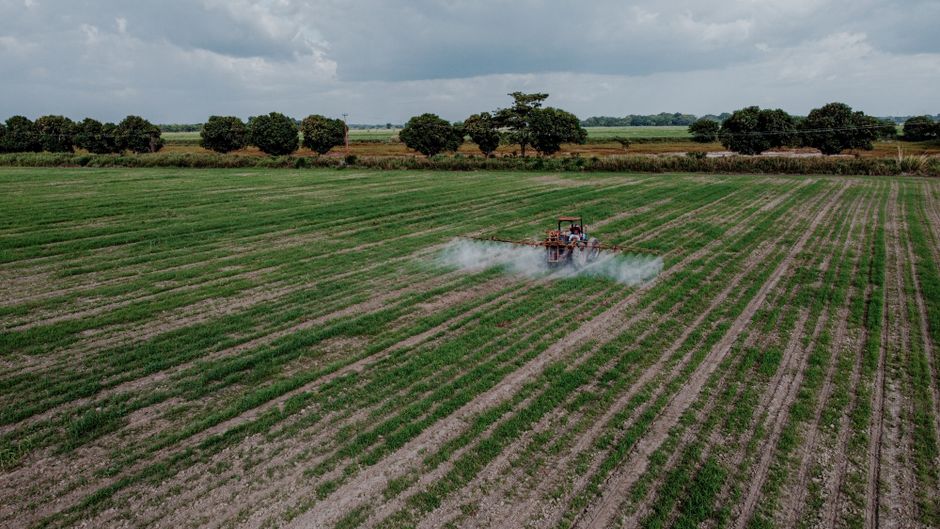
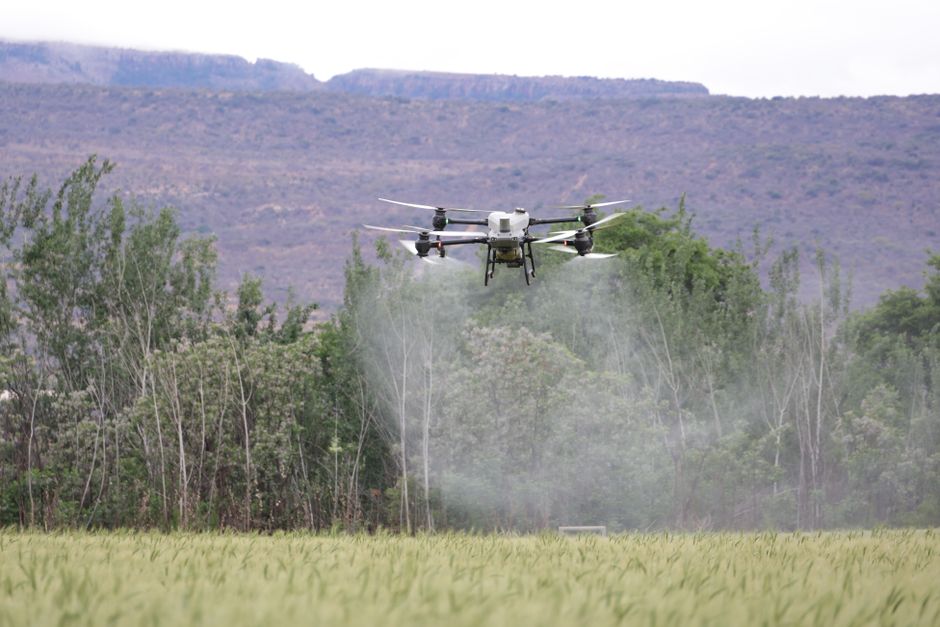
Bayer announced a strategic partnership with an agricultural robotics firm to integrate see-and-spray technology into its crop protection recommendation engine. The system uses camera arrays to identify weeds in real time and applies herbicide only where needed, cutting chemical volume by 60-90% in demonstrated trials.
For input companies, this is a double-edged strategy: lower volumes per acre, but stronger customer retention through proprietary digital ecosystems. Bayer is betting that growers will pay for outcomes and convenience rather than liters of product alone.
Field pilots are scheduled across Brazil and the US Corn Belt, with commercial scaling expected within two seasons.
4. Nutrien Opens New Premium Fertilizer Blending Facility
Nutrien cut the ribbon on a new blending and coating facility focused on enhanced-efficiency fertilizers, including controlled-release nitrogen and stabilized urea products. The site adds significant regional capacity and shortens delivery times for growers in the surrounding trade area.
The move reflects a broader shift in the fertilizer market toward value-added formulations that command higher margins than commodity blends. Enhanced-efficiency products also align with sustainability programs and carbon credit eligibility, giving retailers a stronger story at the farm gate.
Nutrien noted that the facility includes rail access and automated bagging lines to support both bulk and packaged sales channels.
5. UPL Introduces Biofungicide for Specialty Crops
UPL launched a new biofungicide targeting powdery mildew and botrytis in grapes, berries, and greenhouse vegetables. The product is based on a naturally occurring microbial strain and carries a zero-day pre-harvest interval, making it attractive for export-oriented growers facing strict residue limits.
Resistance management is the core selling point. By rotating a biological mode of action with conventional chemistry, growers can extend the useful life of older fungicides while meeting retailer residue specifications.
UPL is supporting the launch with a resistance-management advisory program and on-farm demonstration plots.
6. Yara Invests in Green Ammonia Production Capacity
Yara announced a major investment in renewable hydrogen and green ammonia capacity, aiming to supply lower-carbon nitrogen fertilizers to European and export markets. The project is backed by long-term offtake agreements with food processors and retailers seeking to decarbonize supply chains.
Green ammonia currently carries a cost premium, but premium food markets and scope-3 emissions reporting requirements are creating willing buyers. Yara's scale gives it a cost advantage that smaller players will struggle to match.
First commercial volumes are expected to reach growers through certified low-carbon fertilizer programs.
7. FMC and Novonesis Deepen Biologicals Collaboration
FMC and Novonesis expanded their partnership to co-develop biological crop protection and plant health products, adding several new programs to their existing pipeline. The collaboration combines Novonesis' microbial discovery platform with FMC's formulation and global distribution reach.
Biologicals remain one of the fastest-growing input categories, but formulation stability and field consistency have limited adoption. Partnerships like this aim to solve those technical bottlenecks by pairing discovery science with commercial-scale manufacturing.
Both companies indicated that first products from the expanded pipeline could reach registration within three years.
8. ICL and Agtech Startup Launch Precision Fertigation Service
ICL announced a joint venture with an irrigation technology startup to offer subscription-based precision fertigation services. Sensors monitor soil moisture and nutrient status continuously, and the system automatically adjusts fertigation schedules to match crop demand.
The subscription model is a notable departure from traditional input sales. Instead of selling tons of fertilizer, the service sells guaranteed nutrient delivery and yield outcomes, shifting risk and aligning incentives between supplier and grower.
Early deployments target high-value horticulture operations, with expansion into broadacre irrigation planned as the platform matures.
What These Announcements Mean for Input Buyers
Three themes run through this month's news: biologicals are going mainstream, digital platforms are becoming the primary channel for input recommendations, and sustainability credentials are now a purchasing criterion rather than a marketing extra.
For distributors, the implication is clear: the value proposition is shifting from product supply to integrated solutions. For growers, the opportunity is to lock in multi-year programs that combine agronomy, digital tools, and favorable input pricing before these bundles become standard and less negotiable.
Expect consolidation and partnership announcements to accelerate through the rest of the year as companies position for the next planting cycle.