
How to Find Reliable Pet Product Suppliers: A B2B Guide
Learn how to find reliable pet product suppliers for your B2B business. This guide covers vetting, negotiation, and building long-term partnerships. Start sourcing today!
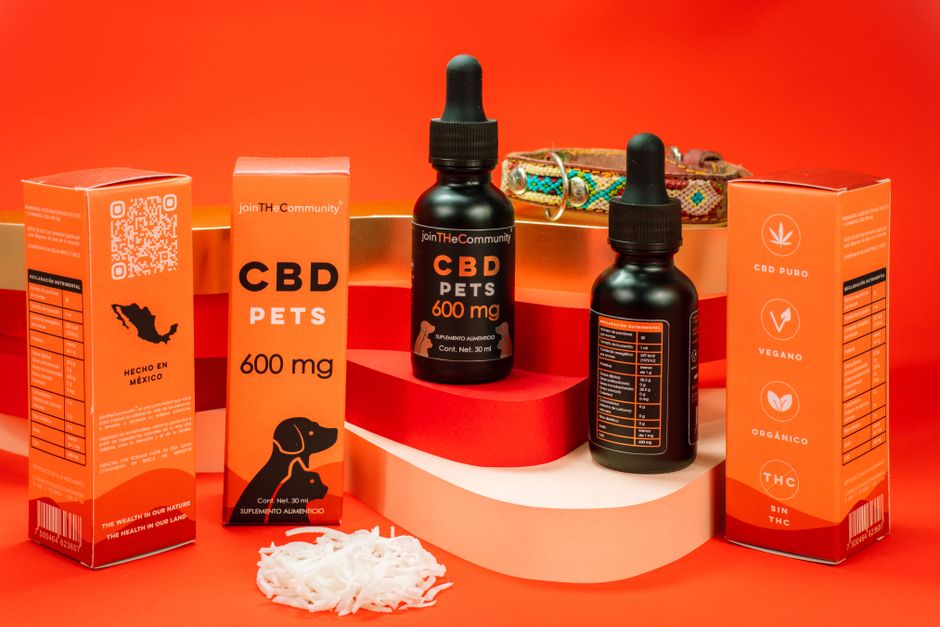
Introduction: The Challenge of Sourcing Pet Products
Finding reliable pet product suppliers is one of the most critical tasks for B2B buyers in the pet industry. With the global pet market booming, the demand for high-quality supplies—from food and toys to grooming tools and health products—has never been higher. However, the abundance of suppliers also brings risks: inconsistent quality, delayed shipments, and poor communication can damage your business reputation. This guide provides a step-by-step approach to vetting and partnering with suppliers you can trust.
Why Supplier Reliability Matters in the Pet Industry
Pet owners are increasingly discerning, and they hold retailers accountable for the products they sell. A single batch of defective toys or contaminated food can lead to customer loss and legal liability. Reliable suppliers ensure consistent quality, on-time delivery, and transparent communication, which are essential for maintaining inventory levels and customer satisfaction. Moreover, ethical sourcing—such as using non-toxic materials and sustainable practices—is becoming a key differentiator in the market.

Step 1: Define Your Product Needs and Standards
Before searching for suppliers, clearly outline your requirements. Consider the following:
- Product categories: Food, treats, toys, bedding, grooming, health supplements, etc.
- Quality certifications: Look for suppliers with ISO, GMP, or FDA compliance for food items, and ASTM or EN71 for toys.
- Minimum order quantities (MOQs): Ensure they align with your cash flow and storage capacity.
- Customization options: If you need private labeling or custom packaging, confirm the supplier offers these services.
Step 2: Research Potential Suppliers
Start your search through multiple channels:
- Trade shows: Global Pet Expo, SuperZoo, and Interzoo are excellent for meeting suppliers face-to-face.
- Online B2B platforms: Alibaba, Global Sources, and Made-in-China list thousands of pet product manufacturers. Use filters to narrow down by verified suppliers.
- Industry associations: The American Pet Products Association (APPA) and Pet Industry Distributors Association (PIDA) provide directories.
- Referrals: Ask fellow business owners for recommendations.
Red Flags to Watch For
- Vague or incomplete company profiles
- No physical address or verifiable contact information
- Unrealistically low prices
- Poor communication or slow responses
Step 3: Vet Suppliers Thoroughly
Once you have a shortlist, conduct due diligence:
| Check | What to Look For |
|---|---|
| Business license | Valid registration in the supplier’s country |
| Trade references | Contact at least three past or current buyers |
| Product samples | Request samples to test quality, safety, and durability |
| Factory audit | Visit in person or hire a third-party inspection service |
| Certifications | Verify relevant certificates (e.g., FDA, CE, BSCI) |
Step 4: Evaluate Communication and Responsiveness
A reliable supplier should respond to inquiries within 24 hours. Test their communication by asking detailed questions about product specifications, lead times, and payment terms. Poor English or evasive answers may indicate future problems. Use video calls to build rapport and assess professionalism.
Step 5: Negotiate Terms and Contracts
Ensure all agreements are in writing. Key terms to include:
- Price and payment terms: Common terms are 30% deposit, 70% before shipment. Negotiate for better terms if possible.
- Lead times: Specify production and shipping timelines.
- Quality guarantees: Include clauses for defective products, returns, and refunds.
- Intellectual property protection: If you have custom designs, require a non-disclosure agreement (NDA).
Step 6: Start with a Trial Order
Place a small order to test the waters. Monitor the entire process from production to delivery. Evaluate the packaging, product quality, and compliance with your specifications. Use this trial to decide whether to scale up.
Step 7: Build Long-Term Partnerships
Once you find a reliable supplier, nurture the relationship. Pay on time, provide clear forecasts, and communicate openly. Long-term partners often offer better pricing, priority during shortages, and access to new products. Regularly review performance metrics like on-time delivery rate and defect rate.
Conclusion
Finding reliable pet product suppliers requires effort, but the payoff is a stable supply chain, happy customers, and a growing business. By following this guide, B2B buyers can mitigate risks and build partnerships that stand the test of time. Start your search today, and remember: quality and reliability always trump low prices in the long run.